ParentHarbor×
TherapistsSign in

Worry & anxious thoughts

Racing mind, "what ifs," catastrophizing

The "what ifs" that won't stop. The same fears on repeat at bedtime. The way their brain seems to find danger everywhere. Worry is exhausting for kids who can't turn it off - and for parents who run out of reassurances. There are ways to help that don't involve logic.

What to Know

Worry is the brain's smoke detector — it's designed to alert us to danger. But in anxious kids, the alarm goes off too often and too loud, even when there's no real threat. The "what ifs" multiply, worst-case scenarios feel certain, and no amount of reassurance turns it off for long.

Logic doesn't work on worry because anxiety isn't a thinking problem — it's a feeling problem. When you explain why something isn't dangerous, you're talking to the rational brain. But anxiety lives in a different part of the brain, one that doesn't respond to facts. That's why your child can know they'll be fine and still feel terrified.

The goal isn't to eliminate worry — some anxiety is protective and normal. It's to help kids recognize worry for what it is (a feeling, not a fact), tolerate the discomfort, and do hard things anyway.

Signs to Watch

  • Asks "what if" questions repeatedly
  • Seeks constant reassurance but relief doesn't last
  • Avoids situations that trigger anxiety
  • Has physical symptoms (stomachaches, headaches) before anxiety-provoking events
  • Struggles to fall asleep due to racing thoughts
  • Catastrophizes or jumps to worst-case scenarios

Stories

Me Too, Actually

Me Too, Actually

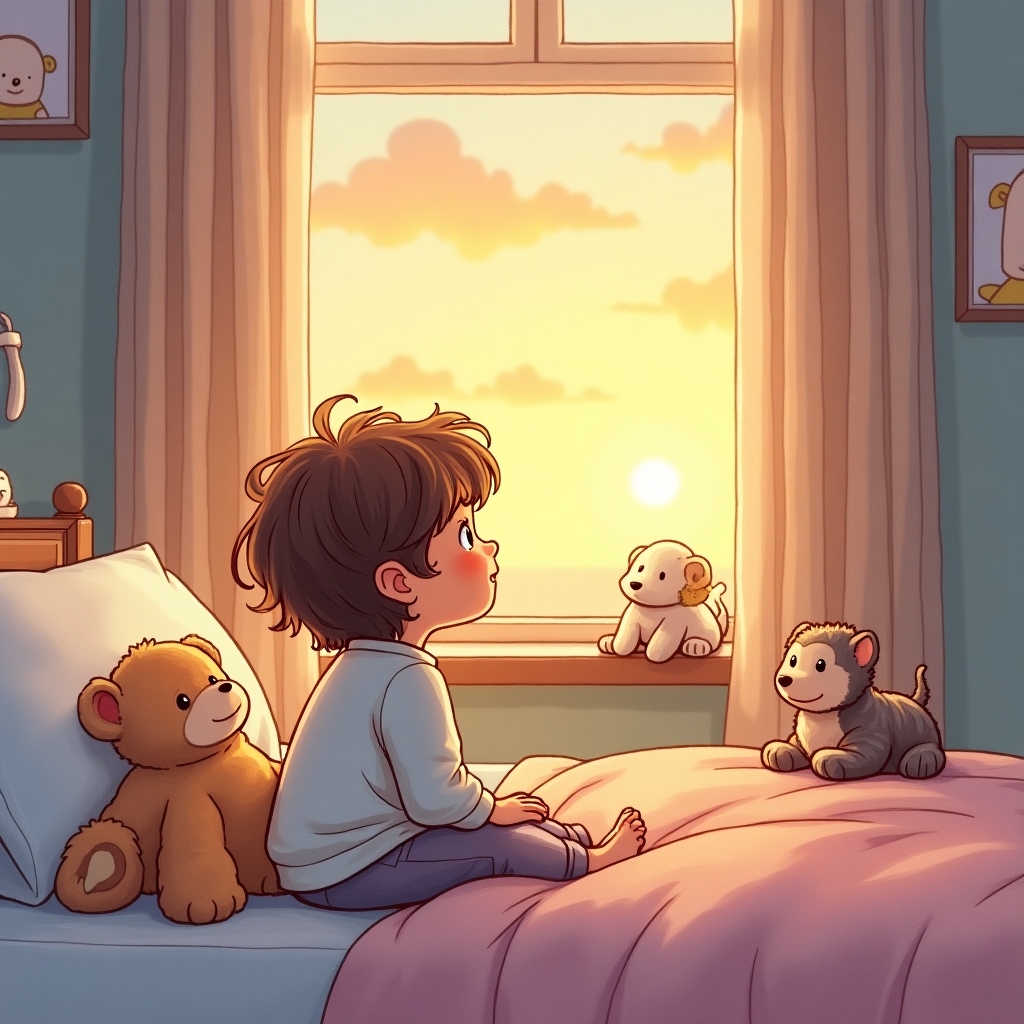
When Jamal admitted he was scared, he expected laughter. Instead: 'Me too.' 'Same.' 'I still sleep with a nightlight.' He wasn't alone after all.

I Thought I Was the Only One

I Thought I Was the Only One

Nadia thought she was the only one with a messy family. Then her friend said 'my parents fight too.' Suddenly, the secret wasn't so heavy.

The Little Voice Inside

The Little Voice Inside

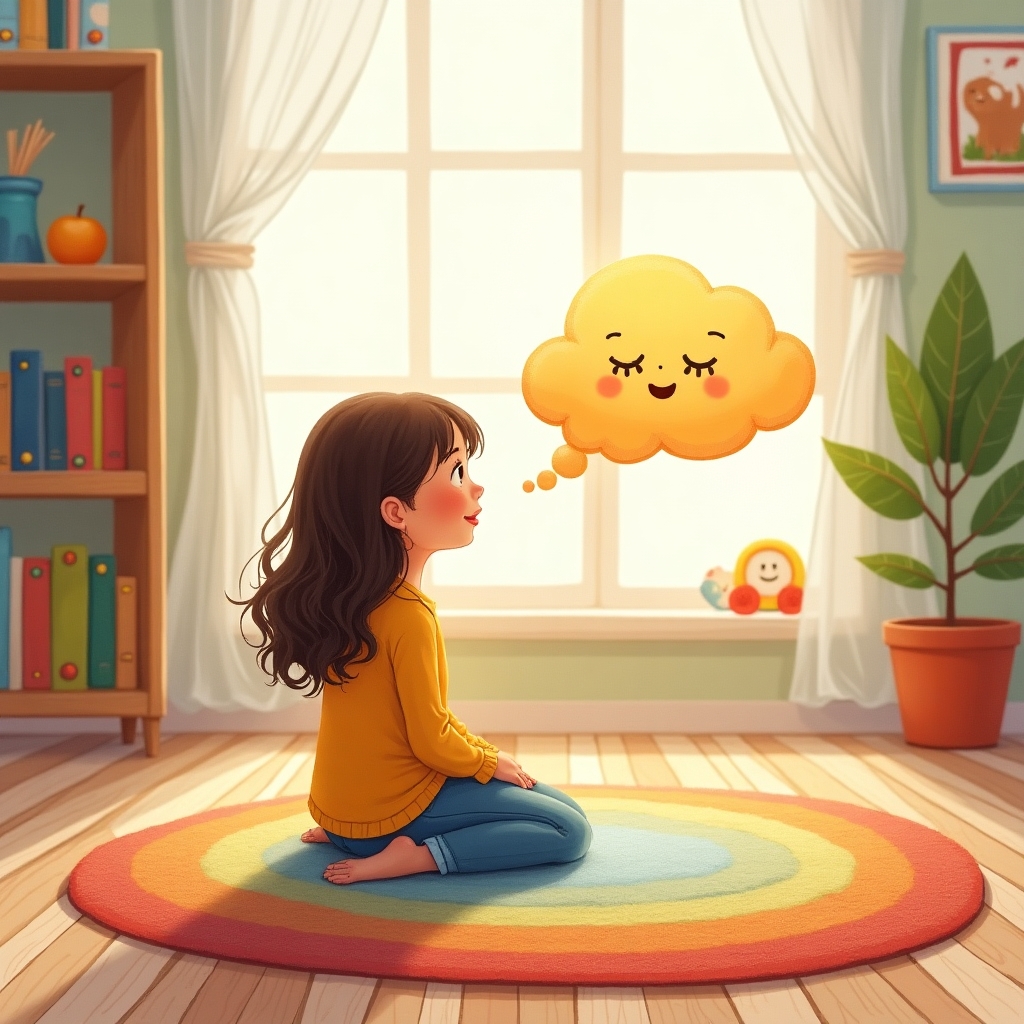
Mia has a voice in her head. Sometimes it's kind. Sometimes it's mean. She learns she doesn't have to believe everything it says—she can talk back.

How Maya Got Her Brave Back

How Maya Got Her Brave Back

Maya used to be brave. Then something happened. By helping a younger kid feel brave, Maya found her own courage again—hidden inside theirs.

Tomorrow Will Be Different

Tomorrow Will Be Different

Today was the worst. But today is almost over. Tomorrow is coming. And tomorrow might be different—maybe better, maybe not. But definitely different.

The Girl Who Went First

The Girl Who Went First

Someone had to go first—into the pool, down the slide, into the dark cabin. Rosa was scared, but she went anyway. And then everyone else felt brave enough to follow.

The Girl Who Fell Off and Climbed Back On

The Girl Who Fell Off and Climbed Back On

Mira fell off her bike—hard. She didn't want to try again. The ground was scary now. But the bike was still there, waiting. One day, she decided: the fall wasn't the end of the story.

Oh Well, That Happened

Oh Well, That Happened

Spilled milk. Missed bus. Forgot homework. Some days, everything goes wrong. But Zara learned three magic words: 'Oh well, next.' Keep going. The day isn't over yet.

The Worry Before the Show

The Worry Before the Show

The night before her recital, a worry appeared on Ava's shoulder. By morning, it was huge. When she told her mom, the worry got smaller—small enough to carry on stage.

What If I Can't Find the Bathroom?

What If I Can't Find the Bathroom?

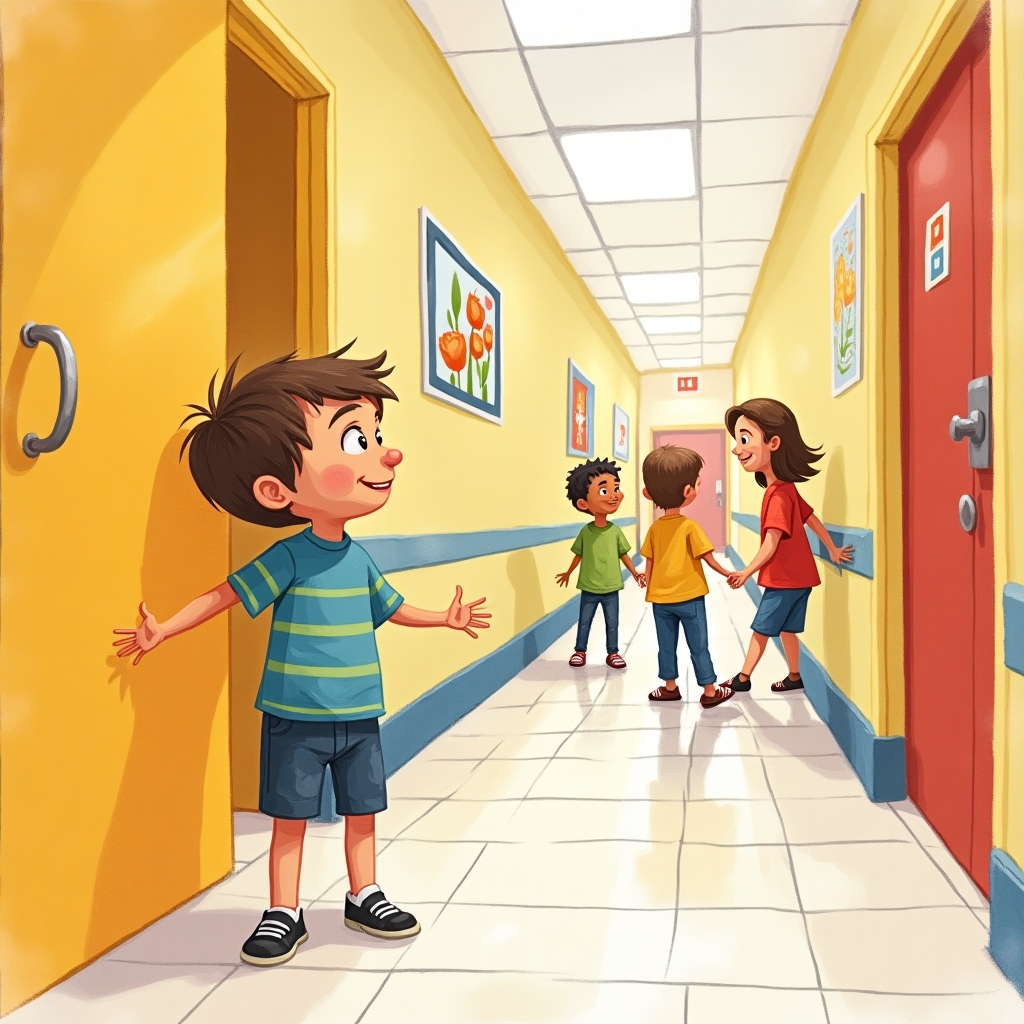
Leo had one big worry about school: what if he couldn't find the bathroom in time? His teacher showed him on the first day. One worry down, a hundred more to go—but now he knew: he could ask.

The Fizzy Feeling

The Fizzy Feeling

Sometimes a fizzy feeling shows up in Charlie's chest. It bubbles and pops. It's called anxiety—and it's trying to protect him. Charlie learns to say 'thank you' and then 'I've got this.'

The Scared Feeling Has a Name

The Scared Feeling Has a Name

When the scared feeling comes, Maya gives it a name: 'Hello, Fear.' Naming it makes it smaller. Fear isn't the boss—Maya is.

The Storm Outside and Inside

The Storm Outside and Inside

When thunder booms, Ana's heart booms too. Grandma doesn't say 'don't be scared.' Instead, she says 'let's count the seconds between flash and boom.' Doing something helps.

Shrink Your Worries

Shrink Your Worries

Zara's worries feel enormous. Her school counselor teaches her to draw them big on paper—then fold the paper smaller and smaller until the worry fits in her pocket.

Penny the Panic Button

Penny the Panic Button

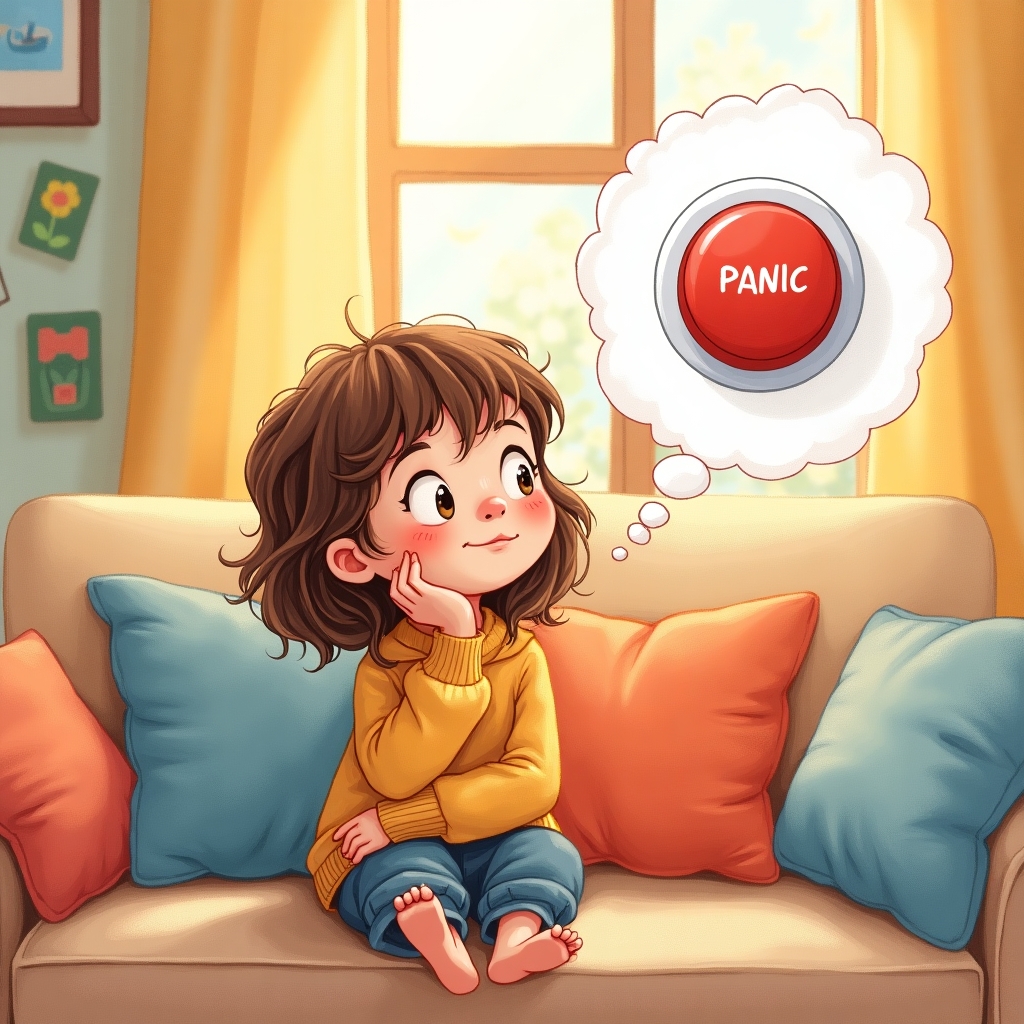
Penny worries about EVERYTHING—tests, friendships, even happy things. Her brain has a panic button that goes off too easily. Her therapist helps her find the 'pause' button right next to it.

The Feelings Jar

The Feelings Jar

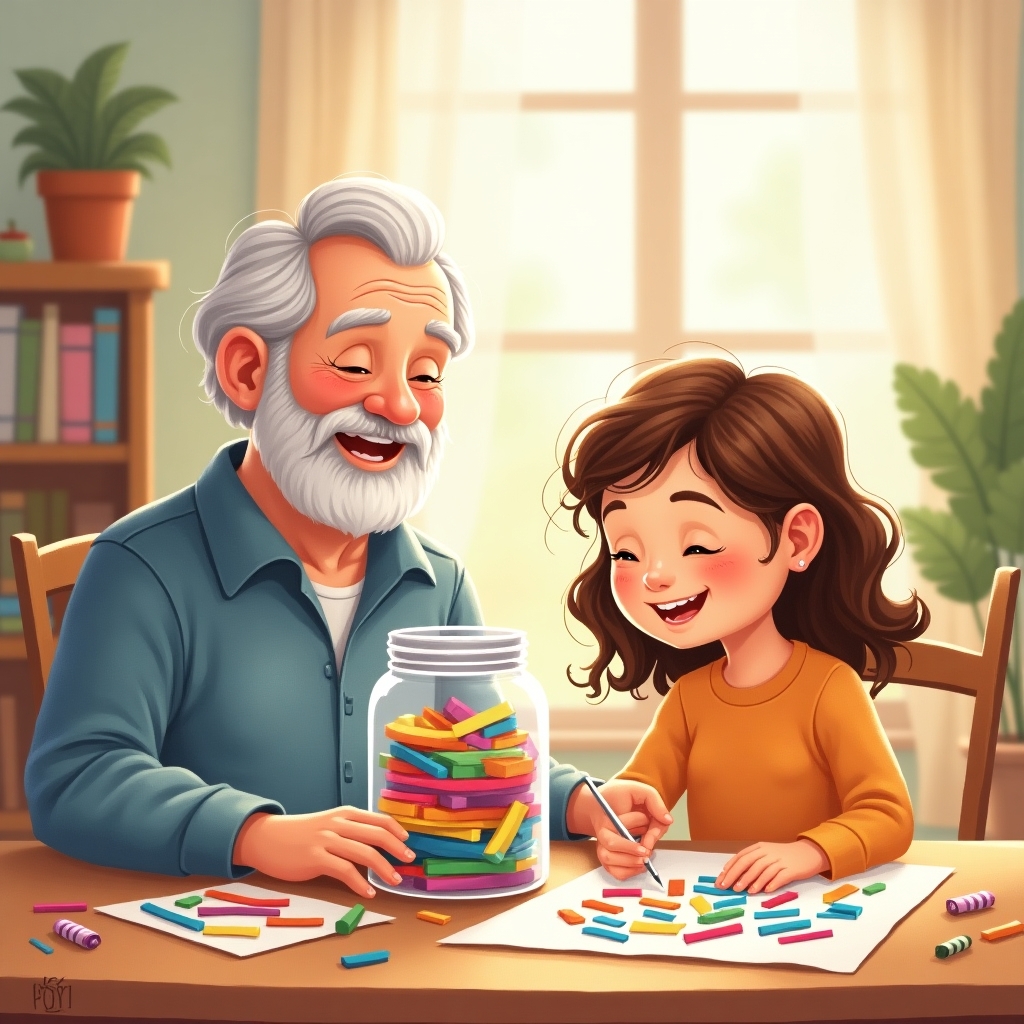
Emma's feelings are all jumbled up—angry-sad-scared-excited all at once. Grandpa gives her a jar and teaches her to name each feeling and give it a color.

Stop Feeding the Fear Monster

Stop Feeding the Fear Monster

Every time Theo worried, the Fear Monster got bigger. He didn't mean to feed it—but worrying was its favorite food. Theo learned to starve it with brave thoughts instead.

Luna and the Night

Luna and the Night

Luna is scared of the dark—until the Night itself shows up and asks why. Together they explore what's really there: soft shadows, quiet sounds, and stars waiting to be found.

Is It Time Yet?

Is It Time Yet?

Waiting is the WORST. For birthdays. For cookies to cool. For Dad to get off the phone. But Hazel learns a secret: time goes faster when you find something to do.

When Will Mommy Be Back?

When Will Mommy Be Back?

Mom said she'd be back soon. But 'soon' felt like forever. Josie watched the door, counted the minutes, worried and waited. When the door finally opened—there she was.

Too Sick to Do Anything

Too Sick to Do Anything

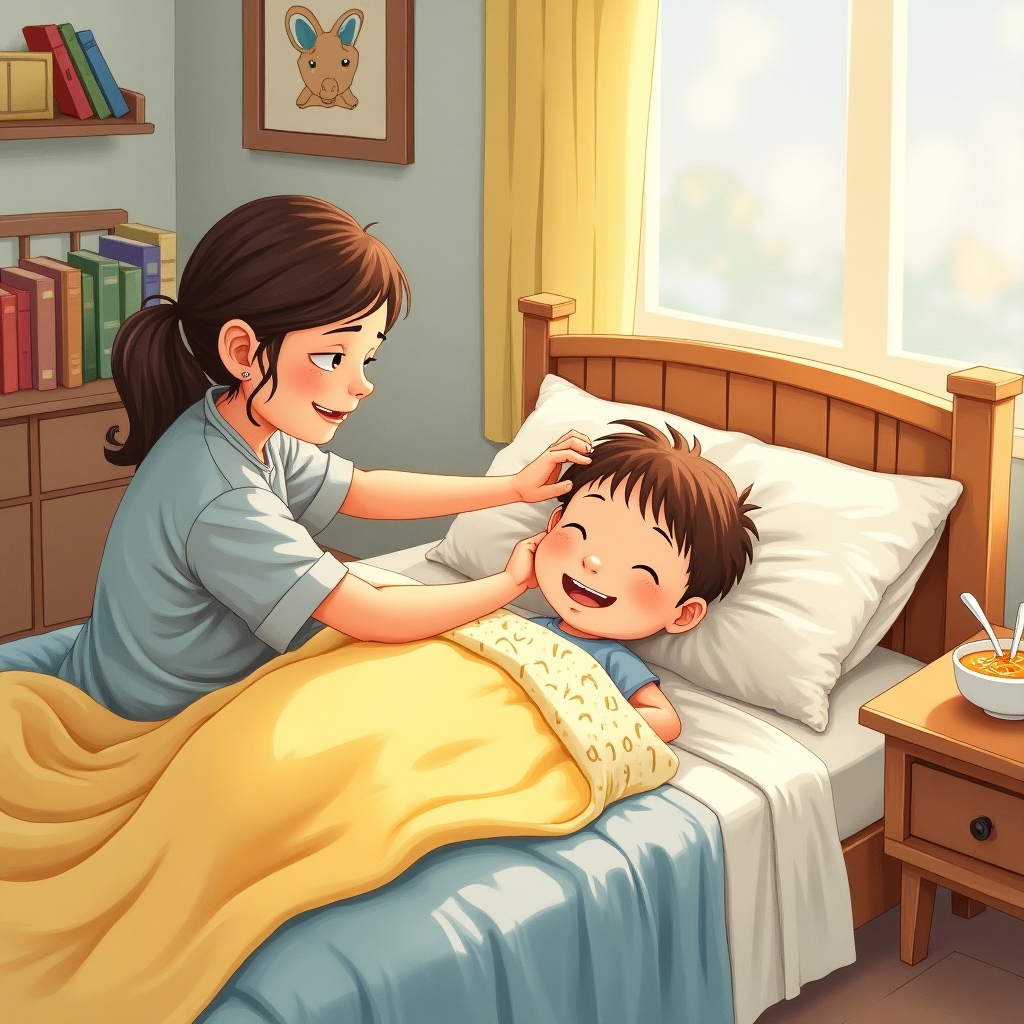
Maya felt terrible. Too tired to play, too achy to move. But being sick also meant: warm soup, extra stories, and Mama's hand on her forehead.

Worrysaurus Rex

Worrysaurus Rex

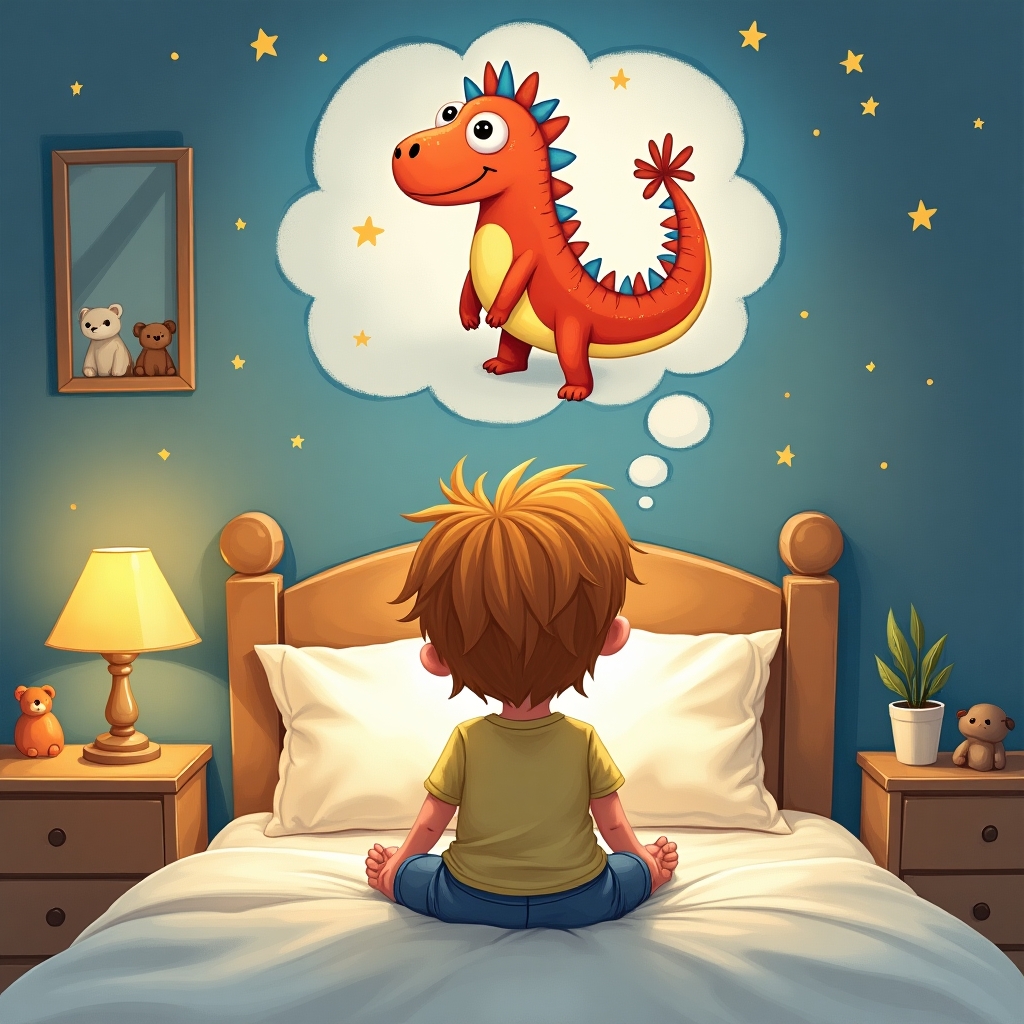
Rex has a special day planned, but worries keep popping up. What if it rains? What if nobody comes? His mom teaches him to feel his feet on the ground—just this moment, right now.

My Body Tells Me Things

My Body Tells Me Things

Kayla's tummy hurts, but she's not sick. Her heart beats fast, but she didn't run. Her body is sending messages—and learning to listen helps her understand what she needs.

The String That Never Breaks

The String That Never Breaks

When Daddy travels for work, Nora worries she'll forget him. Mom shows her the invisible string between their hearts—it stretches but never breaks, no matter how far.

Breathe Like This

Breathe Like This

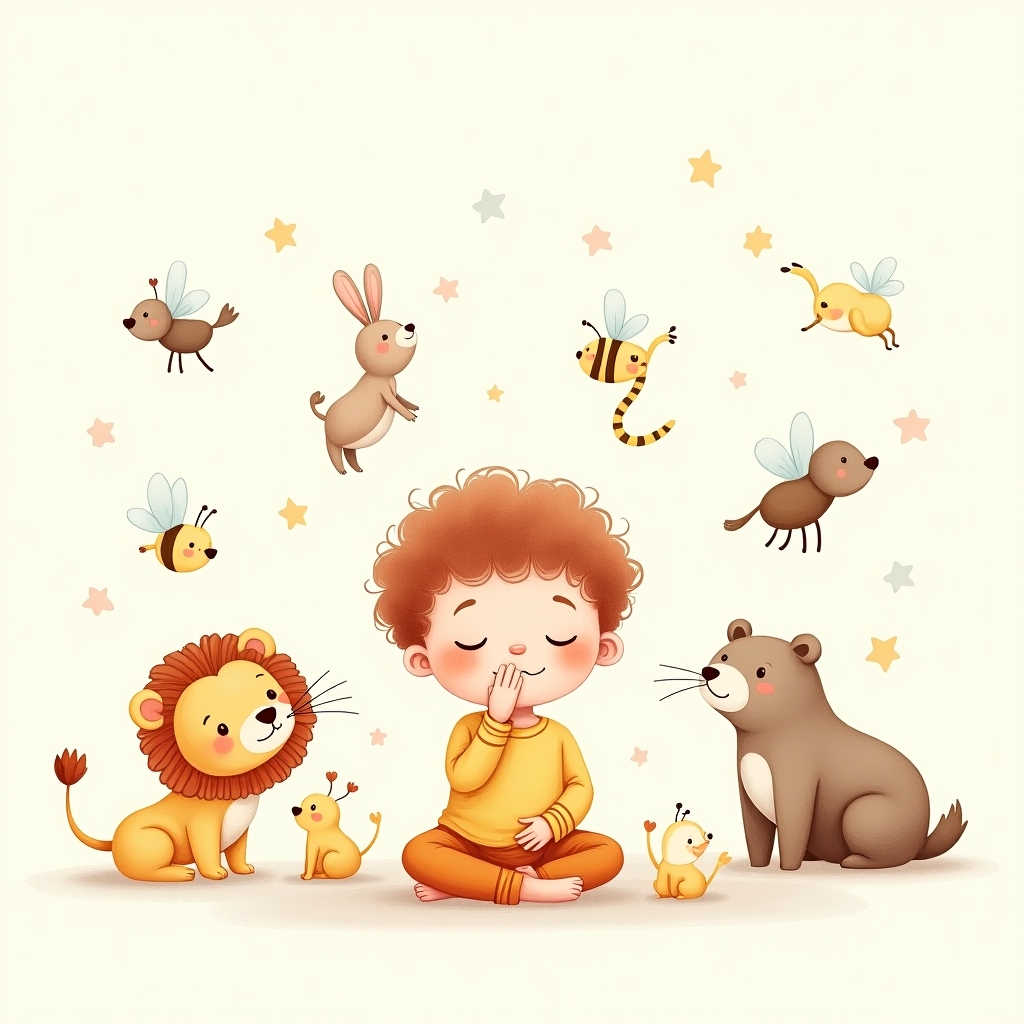
Breathe like a lion—big and loud. Breathe like a bunny—quick and small. Breathe like a sloth—slow and long. Which breath do you need right now?

All My Feelings Are Okay

All My Feelings Are Okay

Sometimes I feel happy. Sometimes I feel grumpy. Sometimes I feel scared AND excited at the same time. All my feelings are okay—they're just visiting.

The Worry That Followed Me Home

The Worry That Followed Me Home

A small worry follows Ben home from school. The more he ignores it, the bigger it grows. When he finally tells Dad about it, the worry shrinks—small enough to carry.

The Pocket Hug

The Pocket Hug

Before her first day of school, Mama gives Lily a special hug she can put in her pocket and squeeze whenever she misses home.

Articles

Potty Training Fears: When Kids Are Scared of the Toilet

Potty Training Fears: When Kids Are Scared of the Toilet

Understanding and overcoming toilet anxiety.

Preparing Your Child for a Hospital Stay or Medical Procedure

Preparing Your Child for a Hospital Stay or Medical Procedure

Reducing anxiety and supporting your child through medical experiences.

Starting a New School: Helping Your Child Navigate the Transition

Starting a New School: Helping Your Child Navigate the Transition

Preparing for and supporting your child through a school transition.

📰

Explaining Difficult World Events to Children

How to talk about scary news without increasing anxiety.

Supporting Children When a Parent Is Ill

Supporting Children When a Parent Is Ill

How to help your child cope when a parent has a serious illness.

When Your Child Won't Try New Things: Encouraging the Hesitant Child

When Your Child Won't Try New Things: Encouraging the Hesitant Child

How to gently expand your child's comfort zone without pushing too hard.

The Problem with Perfectionism: Helping Kids Who Can't Handle Mistakes

The Problem with Perfectionism: Helping Kids Who Can't Handle Mistakes

When the drive to be perfect backfires—and how to help.

Calm-Down Techniques for Anxious Kids: What Actually Works

Calm-Down Techniques for Anxious Kids: What Actually Works

Practical strategies to help your child manage anxious feelings in the moment.

The Worry Brain: Teaching Kids How Anxiety Works

The Worry Brain: Teaching Kids How Anxiety Works

Help your child understand their anxious thoughts with this simple, kid-friendly explanation.

Separation Anxiety: Why It Happens and How to Help

Separation Anxiety: Why It Happens and How to Help

Understanding why your child struggles with goodbyes and what actually helps.

Helping Your Child with Social Anxiety

Helping Your Child with Social Anxiety

Strategies for supporting kids who struggle with social situations and peer interaction.

How Your Own Anxiety Affects Your Child—and What to Do About It

How Your Own Anxiety Affects Your Child—and What to Do About It

Understanding the connection between parent and child anxiety, and breaking the cycle.

When Worry Takes Over: Helping Kids with "What If" Thinking

When Worry Takes Over: Helping Kids with "What If" Thinking

How to respond when your child spirals into endless worst-case scenarios.

7 Things to Say When Your Child Is Worried

7 Things to Say When Your Child Is Worried

Phrases that actually help anxious kids feel heard and supported.

How to Stop Reassurance-Seeking Cycles

How to Stop Reassurance-Seeking Cycles

Why endless reassurance makes anxiety worse—and what to do instead.

Is It Normal Worry or Something More? Understanding Childhood Anxiety

Is It Normal Worry or Something More? Understanding Childhood Anxiety

How to tell the difference between typical childhood fears and anxiety that needs more support.

Helping Your Child Face Fears: A Parent's Guide to Gradual Exposure

Helping Your Child Face Fears: A Parent's Guide to Gradual Exposure

How to support your child in overcoming fears without pushing too hard or too fast.

Why Bedtime Is So Hard (The Psychology Behind Bedtime Battles)

Why Bedtime Is So Hard (The Psychology Behind Bedtime Battles)

Understanding what's really happening when your child fights sleep.

How to Handle Bedtime Fears: Monsters, Darkness, and Things That Go Bump

How to Handle Bedtime Fears: Monsters, Darkness, and Things That Go Bump

Taking your child's nighttime fears seriously while helping them feel safe.

Activities & Worksheets

Activities coming soon

Downloadable activities and worksheets for this topic.

Related Topics

SeparationDark & nighttimeNew situationsSocial fears

How can we help?