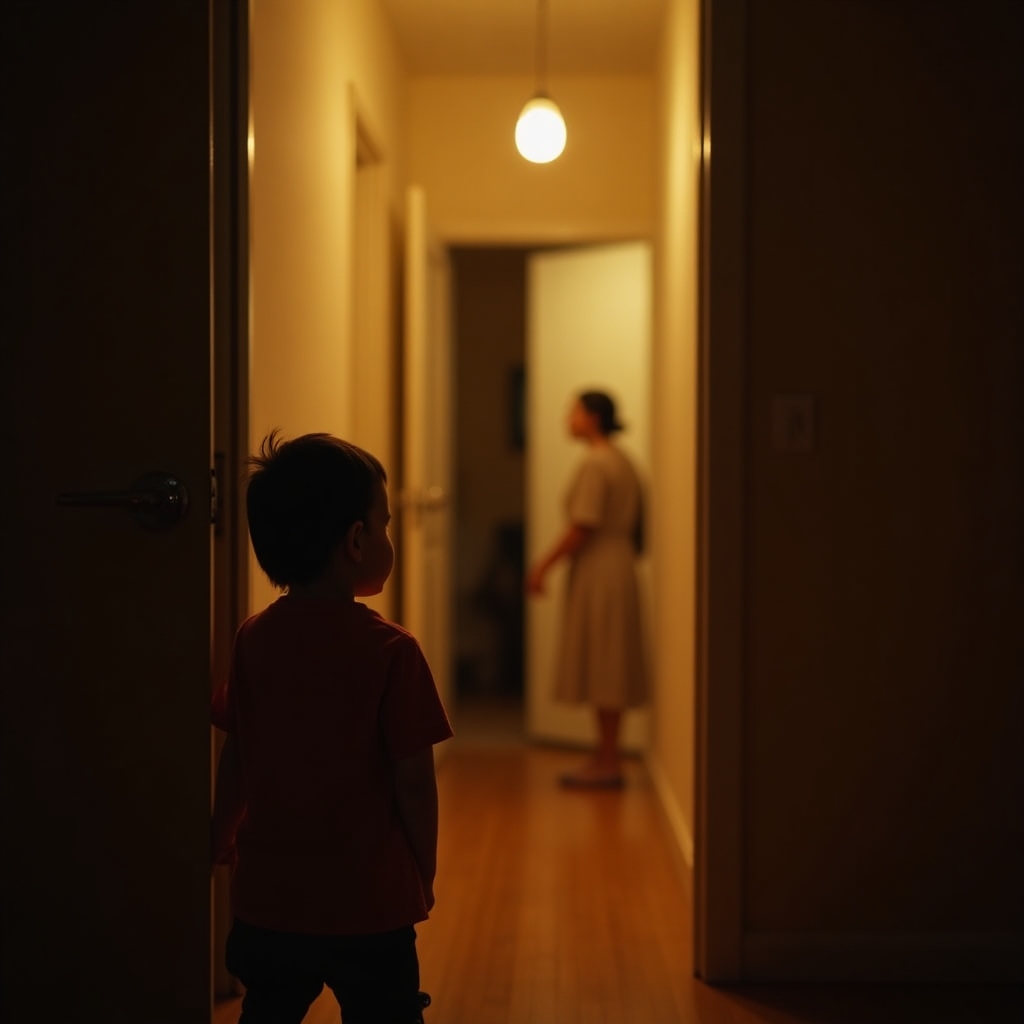
Why Bedtime Is So Hard (The Psychology Behind Bedtime Battles)
Understanding what's really happening when your child fights sleep.
Bedtime battles are exhausting, but they make more sense once you understand what's driving them. Your child isn't just being difficult—there are real developmental and psychological reasons bedtime is hard.
The Separation Factor
Going to bed means separating from you. For children, especially young ones, this can activate genuine anxiety. You are their source of safety, and leaving you—even just to sleep—can feel threatening to their nervous system.
This is why "one more hug" and "don't go" are such common bedtime refrains. They're trying to maintain connection with the person who makes them feel safe.
The Loss of Control
Children have very little control over their lives. Adults decide what they eat, where they go, what they wear. Bedtime is one place where children can exercise some control—by simply refusing.
The endless requests (water, bathroom, another book) aren't always genuine needs. They're often bids for autonomy. "I decide when I sleep, not you."
The Transition Challenge
Moving from the stimulation of daytime to the stillness of sleep is a big transition. Children's brains don't switch modes easily. They need time and support to wind down.
If the transition feels abrupt—playing one minute, expected to sleep the next—resistance is natural. The brain hasn't had time to shift gears.
FOMO Is Real
Young children don't understand that adults aren't having fun without them. They imagine exciting things happening while they're stuck in bed. The fear of missing out keeps them vigilant.
Even older kids can struggle with this: "What if something interesting happens after I go to sleep?"
Fear of the Dark and Nighttime
The dark can feel unsafe. Shadows look strange. The house makes noises. Imagination runs wild. These fears are developmentally normal and peak around ages 3-6.
Children aren't being dramatic. Their brains are wired to be alert to potential threats, and darkness removes the visual information that helps them feel safe.
Overstimulation Backfires
Paradoxically, overtired children often seem more energetic. When the body is exhausted but pushed past its sleep window, stress hormones (cortisol, adrenaline) kick in to keep it going.
This is why that "second wind" before bed is actually a sign your child is too tired. And why they seem wired right when you most need them to wind down.
What This Means for Your Approach
Understanding the "why" changes the "how":
**For separation anxiety:** Build connection during the day. Create physical reminders of your presence (a photo, a spritz of your perfume on their pillow, a special stuffed animal that "holds your love").
**For control needs:** Offer choices within the routine. Which pajamas? Which books? Which stuffed animal sleeps closest? Small autonomy reduces big battles.
**For transition struggles:** Build a longer wind-down. Start the bedtime process earlier. Dim lights, lower voices, slower movements for 30-45 minutes before bed.
**For FOMO:** Be boring after bedtime. Let them see that nothing exciting happens. "We're just doing dishes and going to sleep ourselves."
**For fear of the dark:** Take fears seriously without amplifying them. Night lights, monster spray, and checking closets together all help.
**For overstimulation:** Watch the clock. An earlier bedtime often means easier bedtime. Catch them before the second wind.