Dark & nighttime
Bedtime fears, monsters, shadows
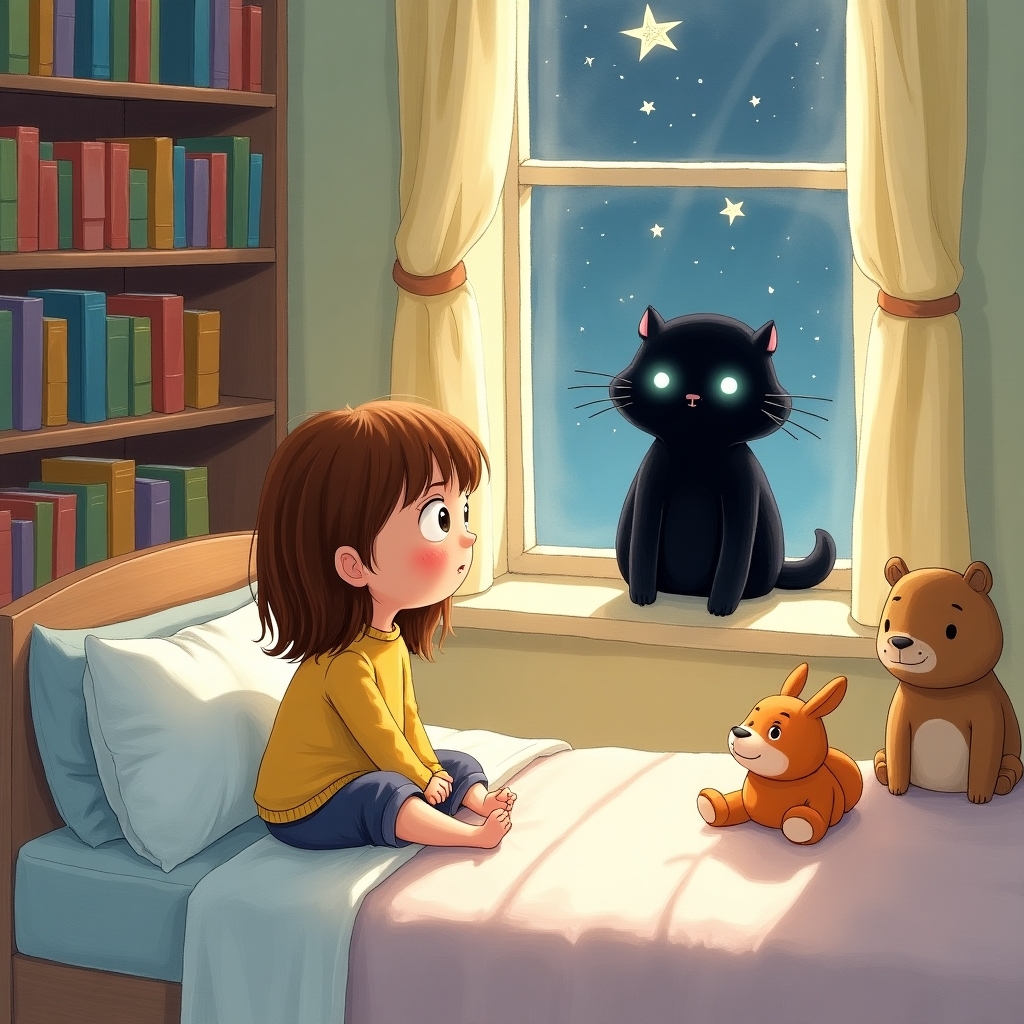
Monsters. Shadows. The certainty that something is in the closet. Nighttime fears are exhausting - for the child who can't settle and for the parent who's made seventeen trips back to their room. The dark asks kids to be brave in a way daytime doesn't.
What to Know
Nighttime fears are some of the most common and most disruptive childhood anxieties. The dark asks kids to be alone with their thoughts in a way daytime doesn't. Without distractions, worries grow bigger. And the darkness itself transforms familiar spaces into something uncertain.
For many kids, the fear isn't irrational — it's imaginational. Their brains are wired to fill in the blanks, and in the dark, there are a lot of blanks. The shadow that's obviously a coat during the day becomes genuinely ambiguous at night. Kids aren't making it up when they say they see something scary.
Completely eliminating darkness often backfires because it reinforces the idea that the dark is dangerous. The goal is gradual tolerance — small steps toward managing the discomfort while building confidence that they can handle it.
Signs to Watch
- •Resists going to bed or being alone in their room
- •Needs lights on, door open, or company to fall asleep
- •Gets out of bed repeatedly with fears or requests
- •Has nightmares or wakes frequently
- •Insists on checking closets, under the bed, or behind doors
- •Sleeps in parents' room or needs a parent to stay until asleep
Stories
Articles
Activities & Worksheets
Activities coming soon
Downloadable activities and worksheets for this topic.