Social fears
Meeting people, talking to others, being judged
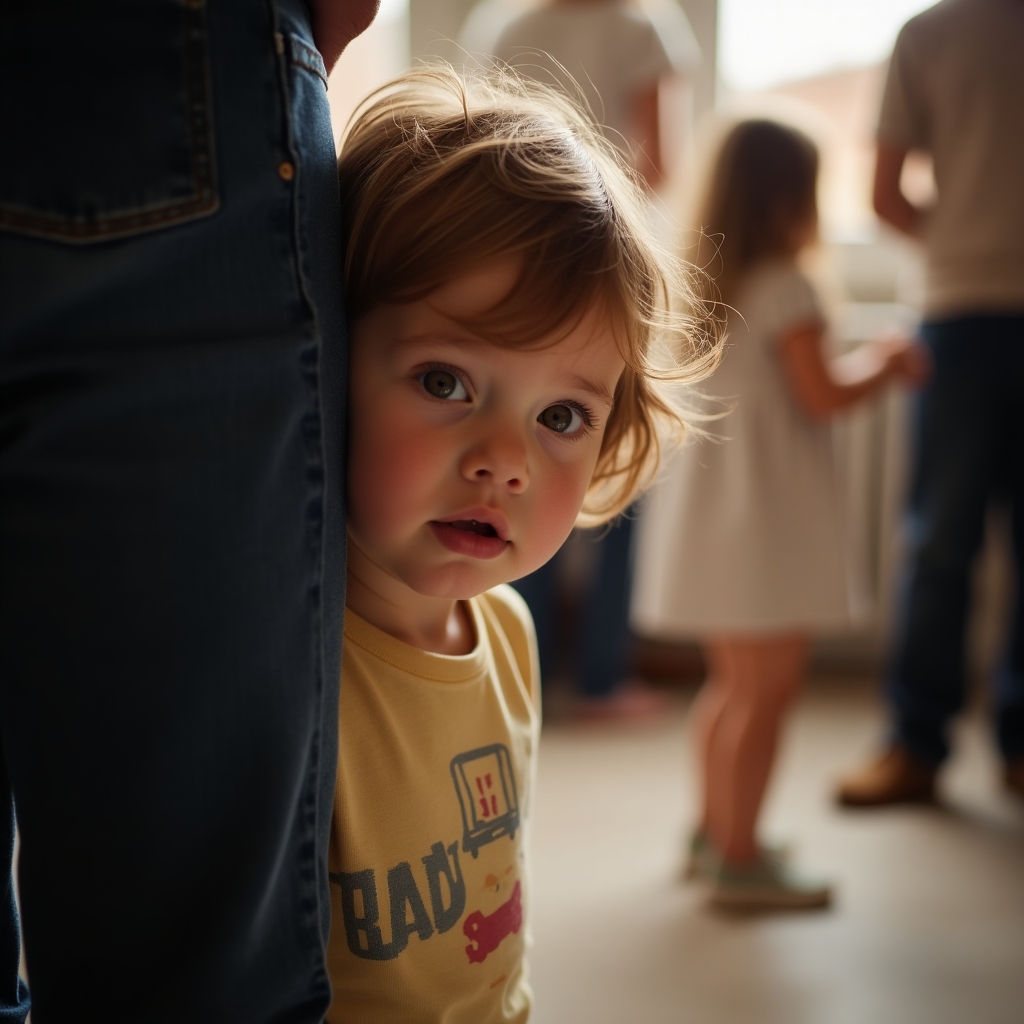
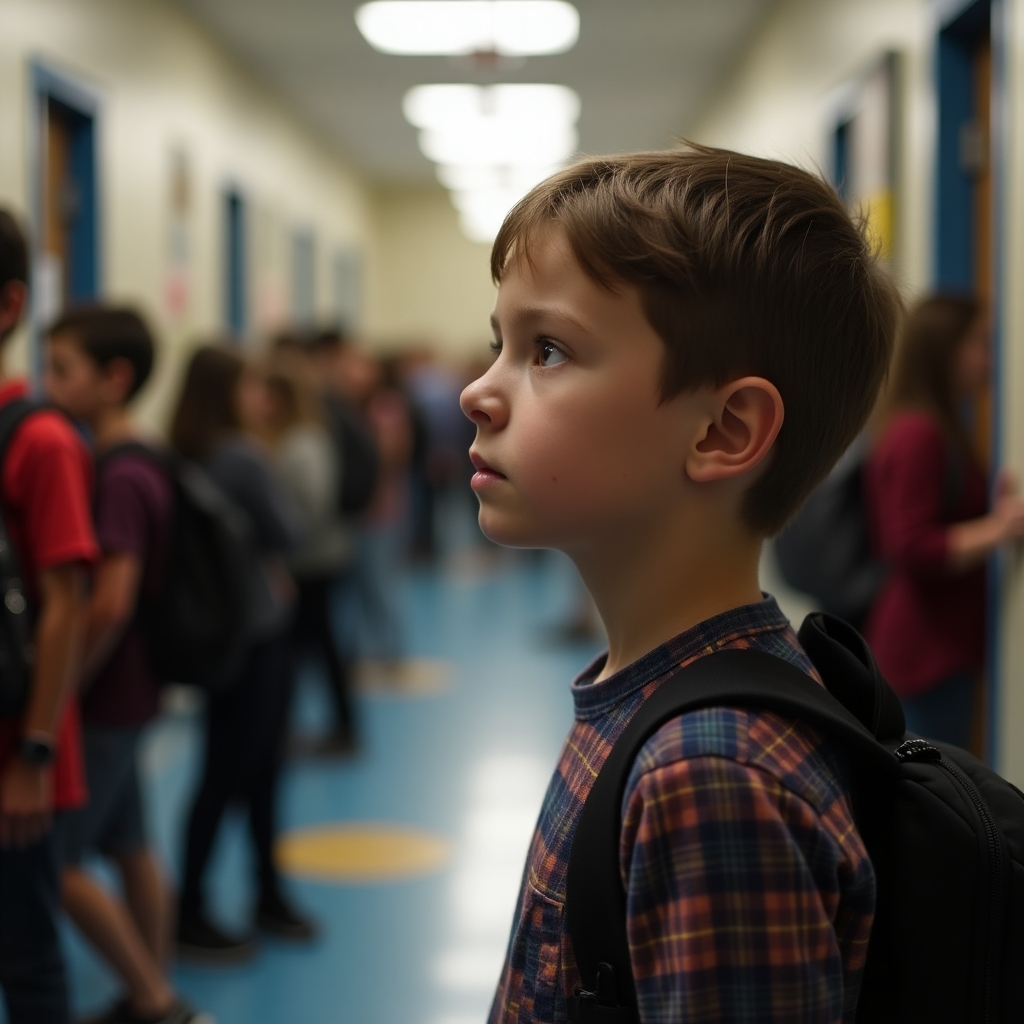
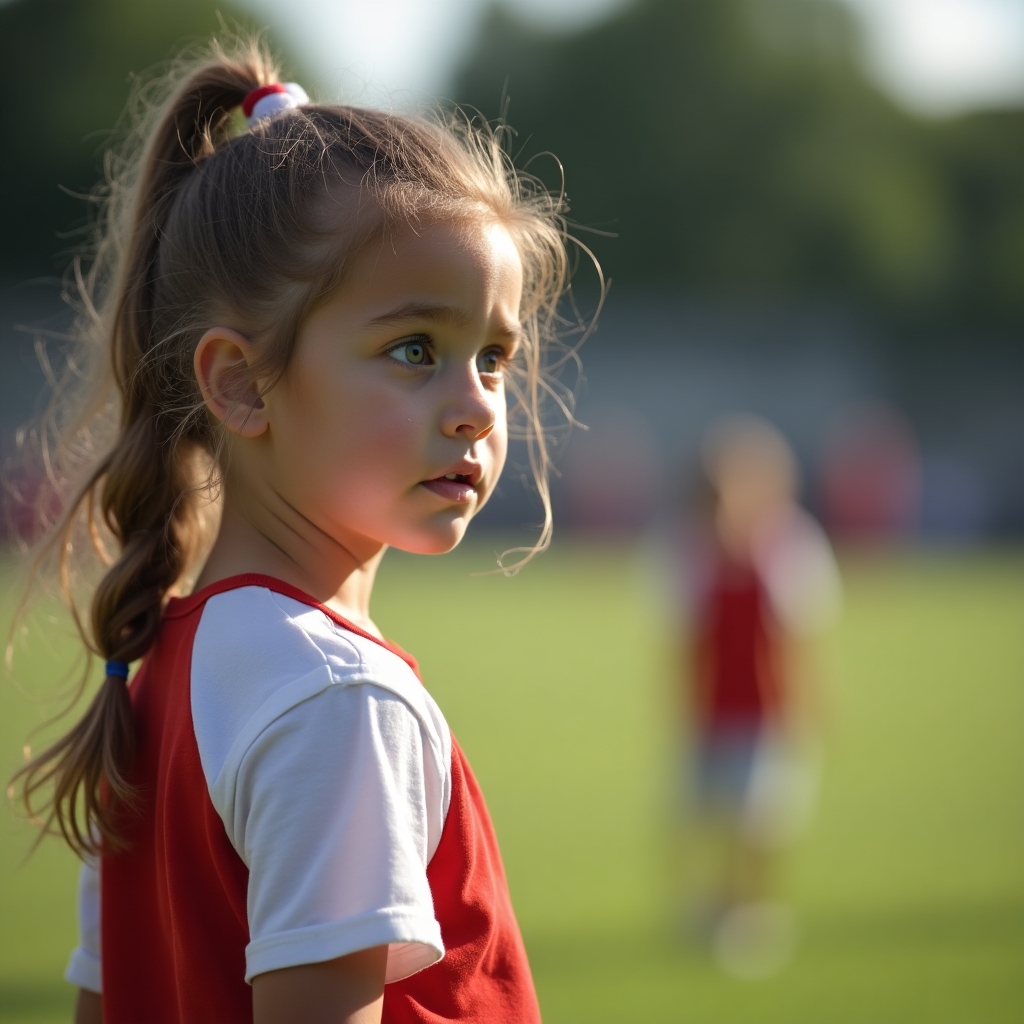
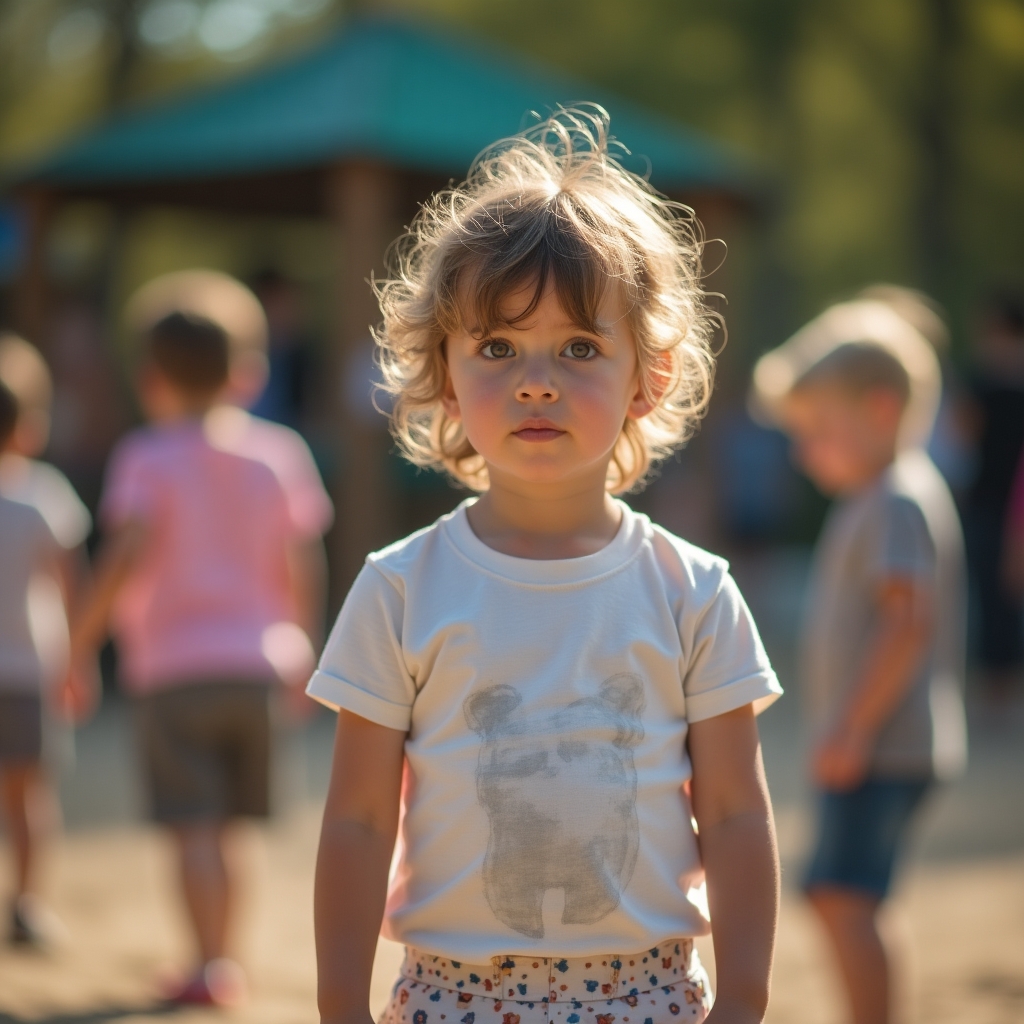
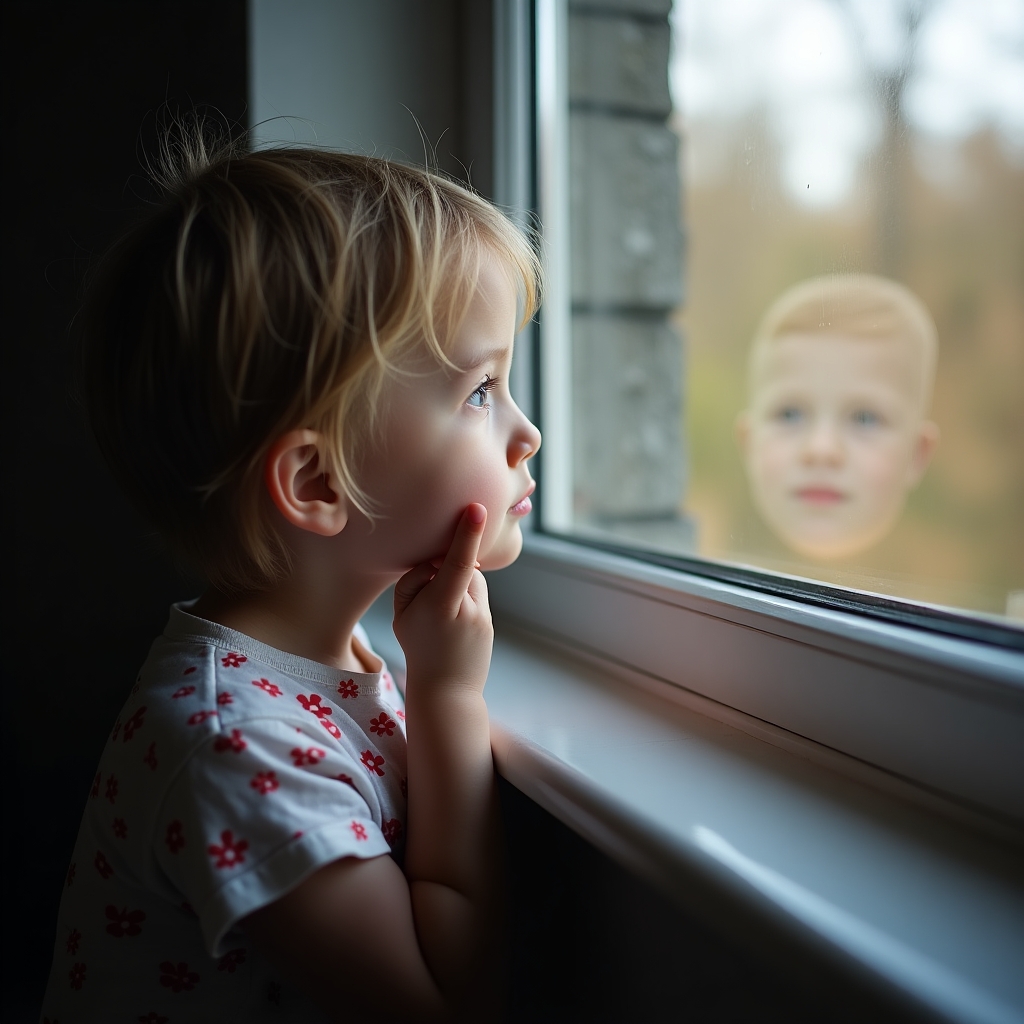
The worry about saying the wrong thing. The fear of being laughed at. The preference for the edges of the room. Social anxiety in kids often looks like shyness or disinterest, but underneath is usually a child who cares a lot and fears getting it wrong.
What to Know
Social anxiety in kids often looks like shyness or disinterest, but underneath is usually a child who cares deeply and fears getting it wrong. They worry about being judged, saying something stupid, or being rejected. The stakes feel enormous, even in low-risk situations.
Unlike general anxiety, social anxiety is specifically about other people — their reactions, their opinions, their judgments. Kids with social fears often have an overactive internal critic that runs commentary on everything they do in social situations. They may replay conversations looking for mistakes or avoid speaking up to prevent potential embarrassment.
The challenge is that avoidance feels like relief but makes social anxiety worse over time. Kids need gentle, supported exposure to social situations — not being thrown into the deep end, but not being allowed to skip everything either.
Signs to Watch
- •Avoids speaking up in class or groups
- •Has difficulty making eye contact or speaking to unfamiliar adults
- •Worries about what others think of them
- •Refuses to order food, ask for help, or talk to peers
- •Prefers the edges of social situations or one-on-one over groups
- •Appears "shy" but expresses worry about social judgment
Stories
Articles
Activities & Worksheets
Activities coming soon
Downloadable activities and worksheets for this topic.