Helping the Shy Child: Social Confidence Without Pushing
Supporting your introverted or anxious child without making it worse.
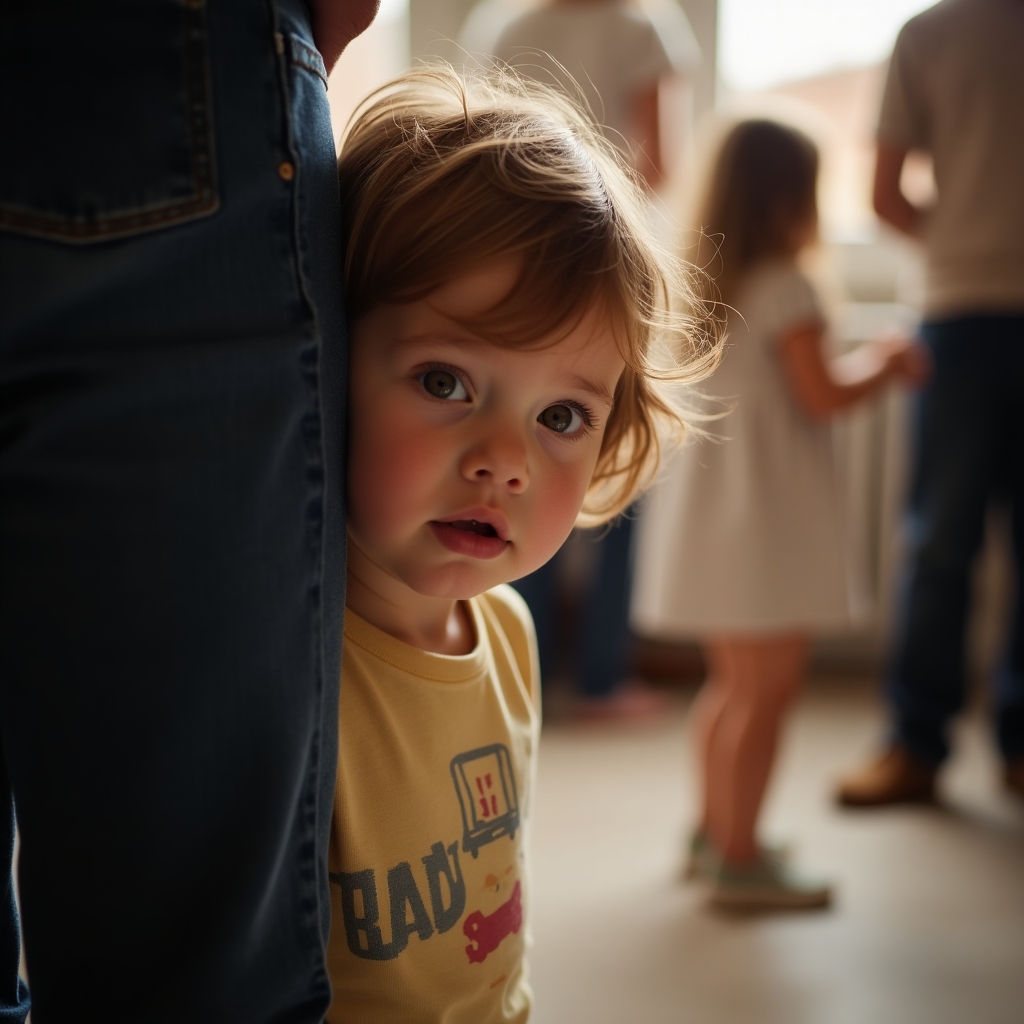
Your child hides behind you at parties. They won't order their own food. They take forever to warm up. Shyness is challenging—for them and for you. Here's how to help without making things worse.
What Shyness Is (And Isn't)
Shyness is discomfort in social situations, especially new ones. It's not: - Rudeness (though it can appear that way) - A disorder (though it can overlap with social anxiety) - Something that needs to be "fixed" - Necessarily a problem at all
Shy children often: - Need more time to warm up - Prefer smaller groups or one-on-one interaction - Feel overwhelmed in unfamiliar social situations - Are more comfortable observing before participating
Many shy children become socially successful adults. Shyness is a temperament, not a limitation.
When Shyness Becomes Problematic
Shyness crosses into problematic territory when it: - Causes significant distress to the child - Prevents them from activities they want to do - Results in complete social isolation - Is accompanied by severe anxiety
This may be social anxiety disorder, which deserves professional attention.
What Makes Shyness Worse
Pushing Too Hard
Forcing shy children into overwhelming situations confirms their fears: "This really is scary!"
Being thrown into the deep end doesn't teach shy children to swim—it teaches them to drown.
Labeling
"She's my shy one" becomes a self-fulfilling identity. The child internalizes: "I'm shy. This is who I am."
Apologizing for Them
"Sorry, she's just shy" teaches them their shyness is a problem to apologize for.
Speaking for Them
Answering questions directed at them ("She'll have the chicken nuggets") prevents them from practicing.
Showing Your Frustration
When you're visibly frustrated by their shyness, they add shame to their anxiety.
Comparing
"Your brother never had this problem" makes everything worse.
What Helps
Accept Their Temperament
Shyness is part of who they are. Accepting it—genuinely, not reluctantly—creates safety.
"You like to watch before you join in. That's okay."
Prepare Them
Shy children do better with information. Before social events: - Who will be there? - What will happen? - How long will you stay? - Where can they go if overwhelmed?
Familiarity reduces anxiety.
Arrive Early
Getting somewhere before it's crowded lets shy children acclimate gradually. Arriving to a full room is overwhelming.
Stay Nearby Initially
Your presence is their security. Stay close while they warm up, then gradually give them space.
Let Them Observe
Watching from the sidelines isn't failure—it's how shy children process new situations. Let them observe until they're ready.
Use Warm-Up Routines
Develop rituals that ease them in: - Starting with one familiar person - Having a specific activity to do at first - Brief check-ins with you
Practice Social Skills
At home, in low-pressure settings, practice: - Greetings - Conversation starters - Ordering at restaurants - Introducing themselves
Role-play makes real situations easier.
Facilitate One-on-One Connections
Shy children often do well one-on-one. Arrange playdates with one friend rather than group activities.
Praise Small Steps
Notice and celebrate small social braveries: - "You said hi to your teacher. That was great." - "I saw you playing with that boy at the park."
Don't make a huge deal (that's embarrassing), but acknowledge progress.
Find Their Confidence Areas
What is your child confident about? Put them in situations where they can lead with their strengths. Success builds confidence.
Respect Their Limits
They don't have to be the life of the party. Help them participate at their level: - One friend is enough - Observing is okay - Leaving early is okay - Small contributions count
Model Social Behavior
Let them see you: - Start conversations with strangers - Navigate social situations - Handle awkward moments - Be imperfect and survive
When to Seek Help
Consider professional support if: - Anxiety is severe and persistent - They can't attend school or activities they want to do - They have no social connections at all - They're significantly distressed - Your strategies aren't helping
Cognitive Behavioral Therapy is highly effective for social anxiety.
The Long View
Many shy children grow into socially confident adults. They often become good listeners, thoughtful friends, and careful observers.
Your job isn't to change their temperament—it's to help them succeed as the person they are.