Sibling Jealousy: When One Child Feels Less Loved
How to recognize and address jealousy—even when you're treating your kids equally.
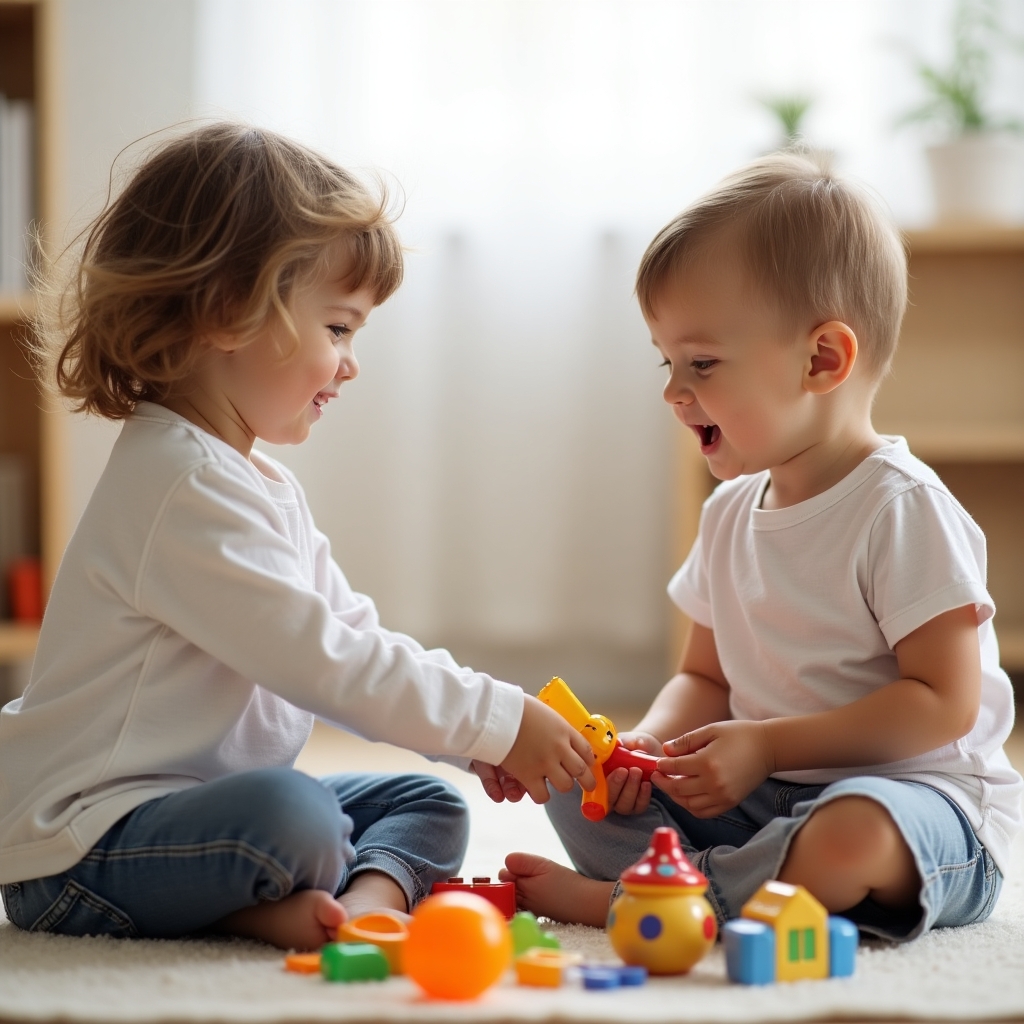
"You love her more!" Few accusations sting quite like this one. You're trying your best to be fair. How can they not see that?
Sibling jealousy is painful for everyone. Here's how to understand it and help.
Why Jealousy Happens (Even in Fair Families)
Perception Isn't Reality
Children don't experience fairness the same way adults do. They notice every slight in their direction and miss the ones going the other way. If you gave their sibling ice cream yesterday and them today, they remember the yesterday.
Different Needs Look Unequal
Fair doesn't mean identical. One child might need more help with homework. Another might need more emotional support. A third might need more supervision. Meeting different needs looks like preferential treatment to watching eyes.
Temperament Plays a Role
Some children are more prone to jealousy than others. Sensitive, anxious, or insecure children may perceive unfairness where none exists.
It's Partly Evolutionary
Competing for parental resources is wired into us. Children unconsciously track who's getting more attention, affection, or stuff. This isn't character flaw—it's instinct.
Your Actual Feelings
Here's a hard truth: parents sometimes do feel closer to one child, or find one child easier to be around. Children pick up on subtle cues. This doesn't make you a bad parent—it makes you human. But it's worth examining.
Signs of Sibling Jealousy
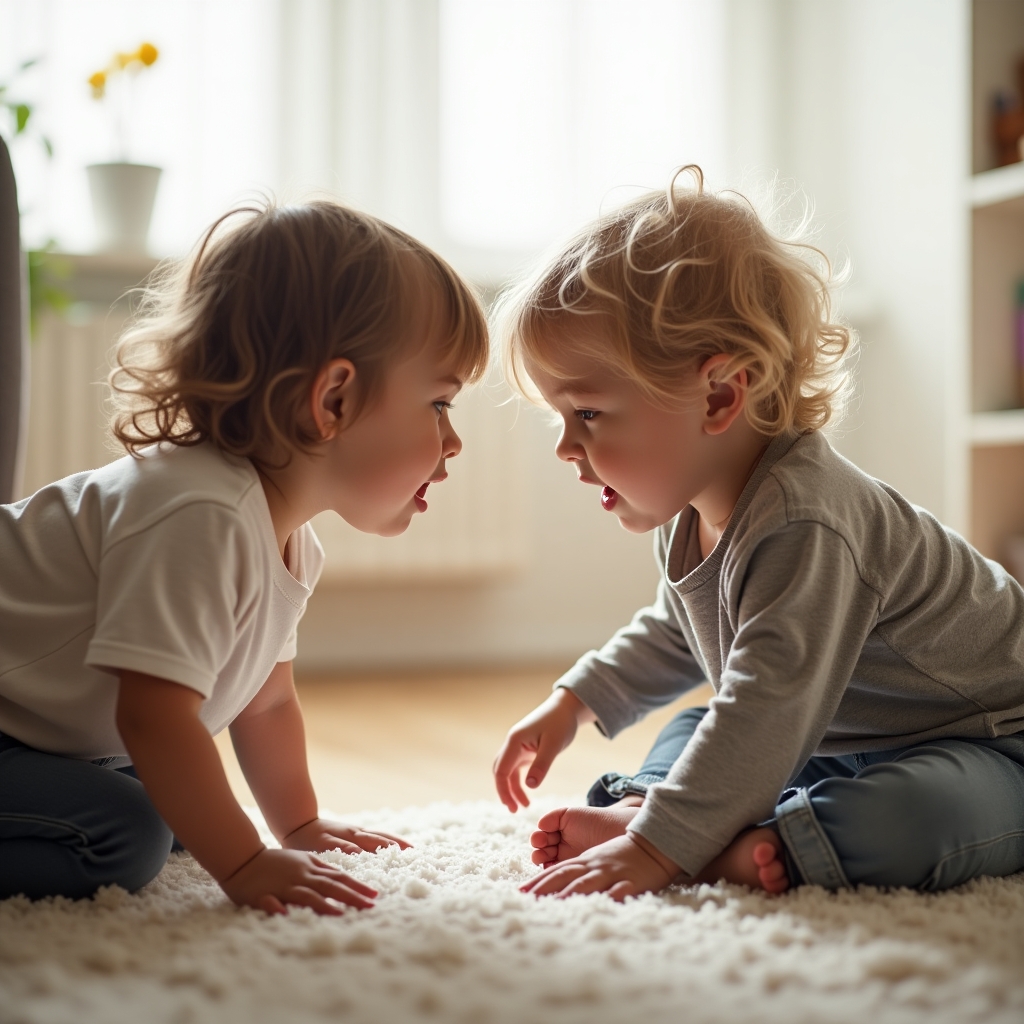
- Frequent complaints about unfairness - Trying to get the sibling in trouble - Acting out when the sibling gets attention - Regression (acting younger when a sibling gets attention for being small) - Putting down or competing with the sibling - Withdrawal or sadness around sibling interactions - Physical aggression toward the sibling - Constant comparison: "She gets to..." or "He has more..."
How to Respond
Take Feelings Seriously
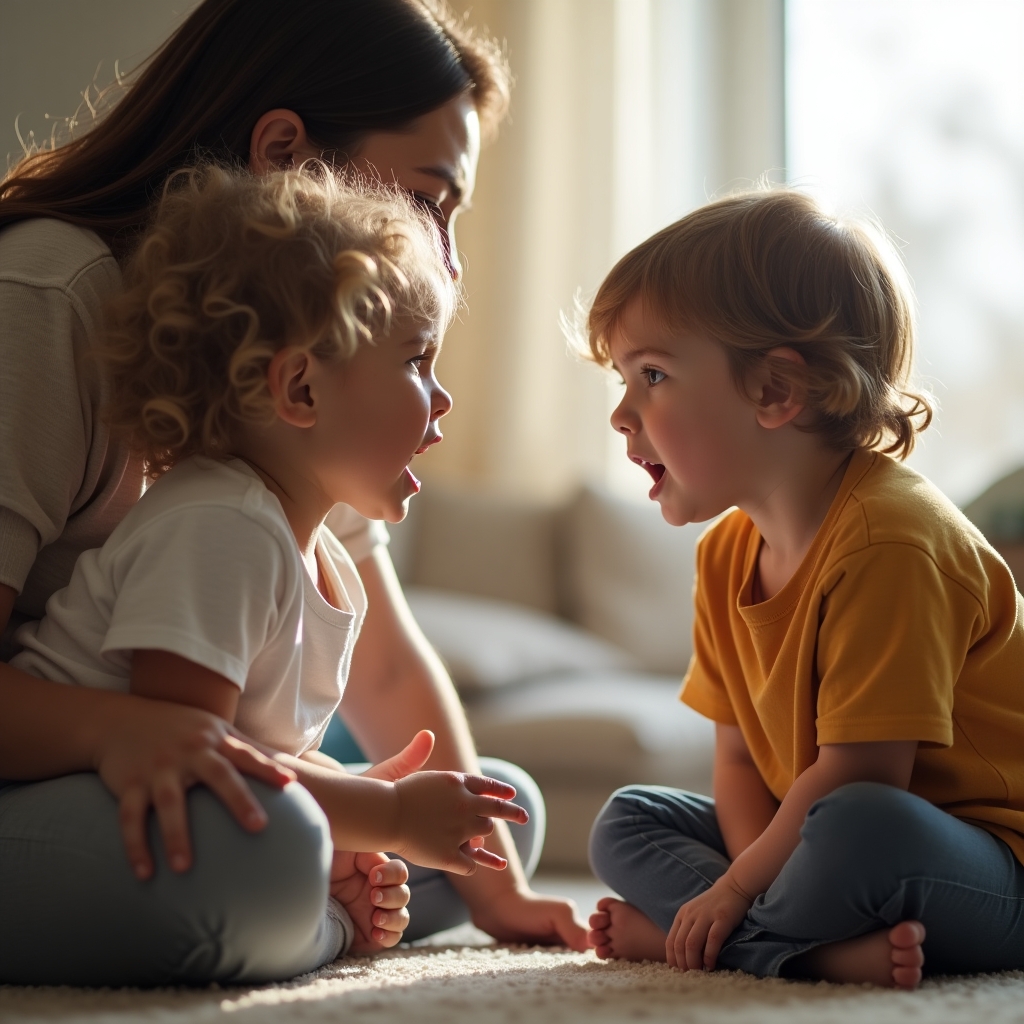
When your child says "You love her more," don't dismiss it with "That's not true." Instead: "It sounds like you're feeling like I love her more than you. That must feel really bad. Tell me more."
Validation doesn't mean agreement. It means you're hearing them.
Don't Argue About Fairness
Getting into a debate about whether you're fair is a losing battle. You can't prove equal love with a spreadsheet. Instead, focus on the feeling: "You're feeling left out."
Emphasize Unique Love
Instead of "I love you both the same," try "I love you in a special way that's just for you. There's only one Emma in the world, and I'm so glad you're my Emma."
Children don't want identical love—they want special love.
Individual Time Matters
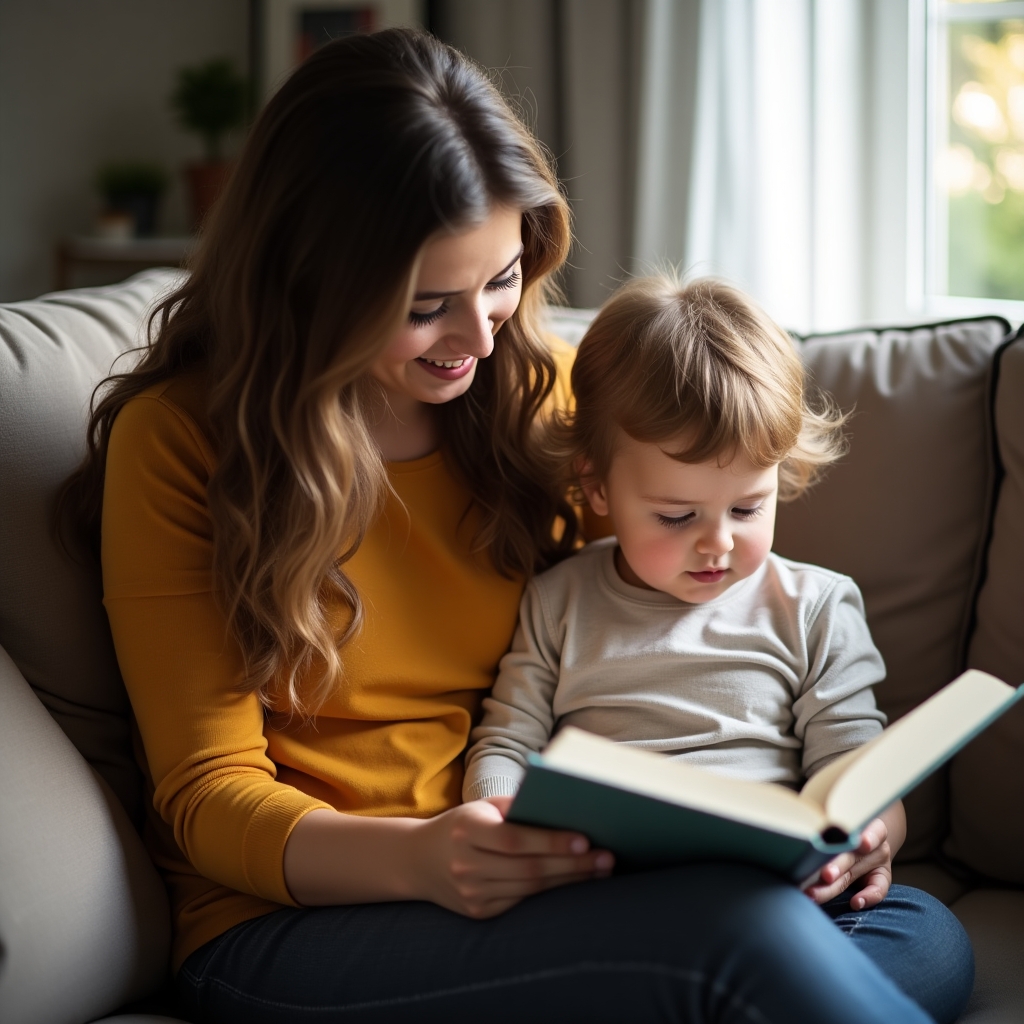
One-on-one time with each child reduces jealousy more than anything else. Even 15 minutes of undivided attention regularly makes a difference.
During this time, the child chooses the activity. No siblings, no phones. Just you and them.
Avoid Comparisons
"Why can't you be more like your brother?" is obviously harmful. But even positive comparisons ("You're the smart one; he's the athletic one") can fuel jealousy and box children in.
Resist the Fairness Trap
Trying to make everything exactly equal is exhausting and impossible. Instead, meet each child's needs as they arise.
When they complain, you can say: "I try to give everyone what they need. Right now, your sister needs help with her project. Tomorrow you might need something from me, and I'll be there."
Check Yourself
Are you unconsciously favoring one child? This is worth honest reflection: - Do you spend more time with one? - Is one easier to be around? - Do you talk about one more positively? - Do they get praised more, criticized less?
If you identify imbalance, you can work to address it.
Address Behavior, Not Just Feelings
Jealousy is understandable. Acting on it in hurtful ways is not. "I understand you feel jealous. You still can't hit your sister."
Validate the feeling, set limits on the behavior.
When Jealousy Is Intense
If jealousy is: - Consuming a child's thoughts - Leading to significant aggression - Causing depression or anxiety - Not responding to your efforts
Consider talking to a family therapist. Sometimes jealousy signals deeper insecurity that needs more support.
Long-Term Perspective
Some sibling jealousy is normal and even inevitable. Your job isn't to eliminate it—it's to help each child feel loved, valued, and seen for who they are.
Children who feel secure in their relationship with you have less need to compete with siblings. Invest in that security, and jealousy often fades.