Why Siblings Fight (And Why It's Actually Normal)
Understanding the developmental reasons behind sibling conflict.
If your children fight constantly, you might wonder what you're doing wrong. Here's the truth: sibling conflict is normal, universal, and in many ways, healthy.
Sibling Conflict Is Universal
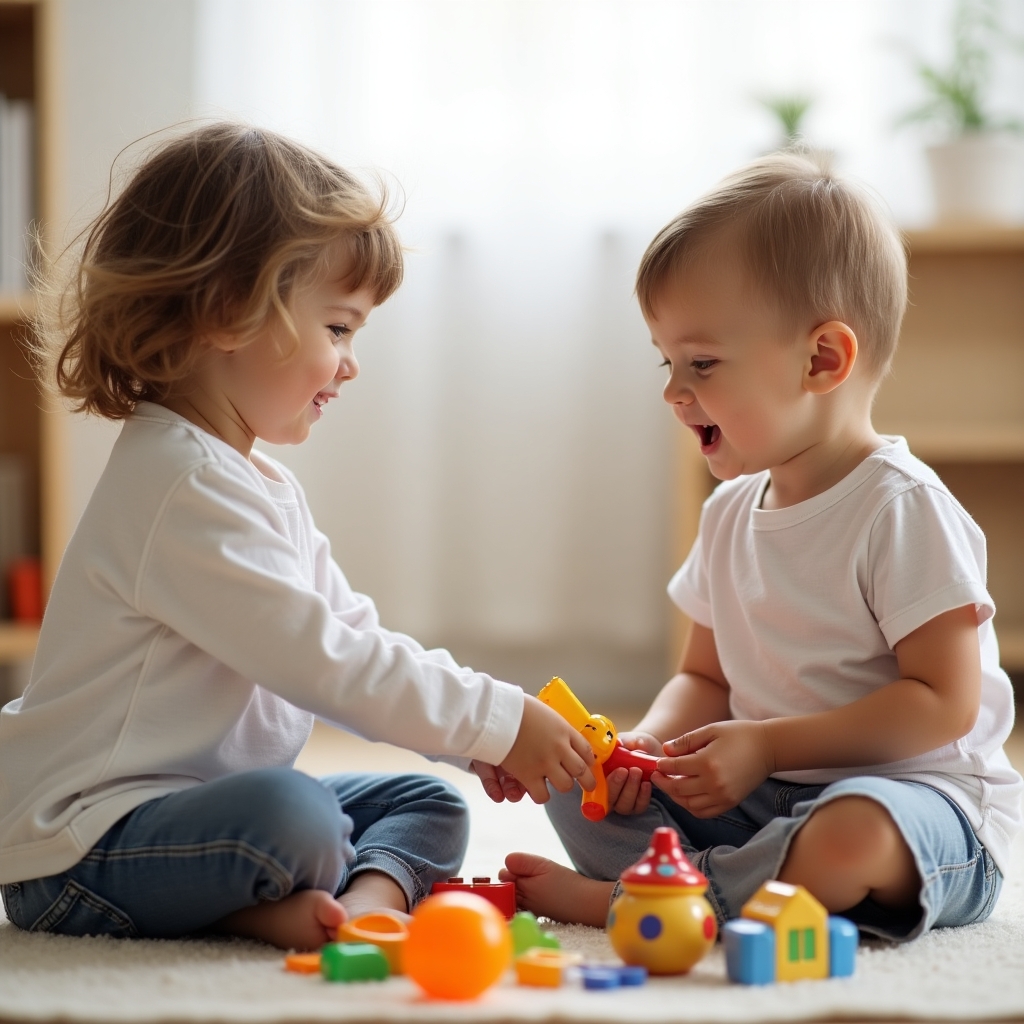
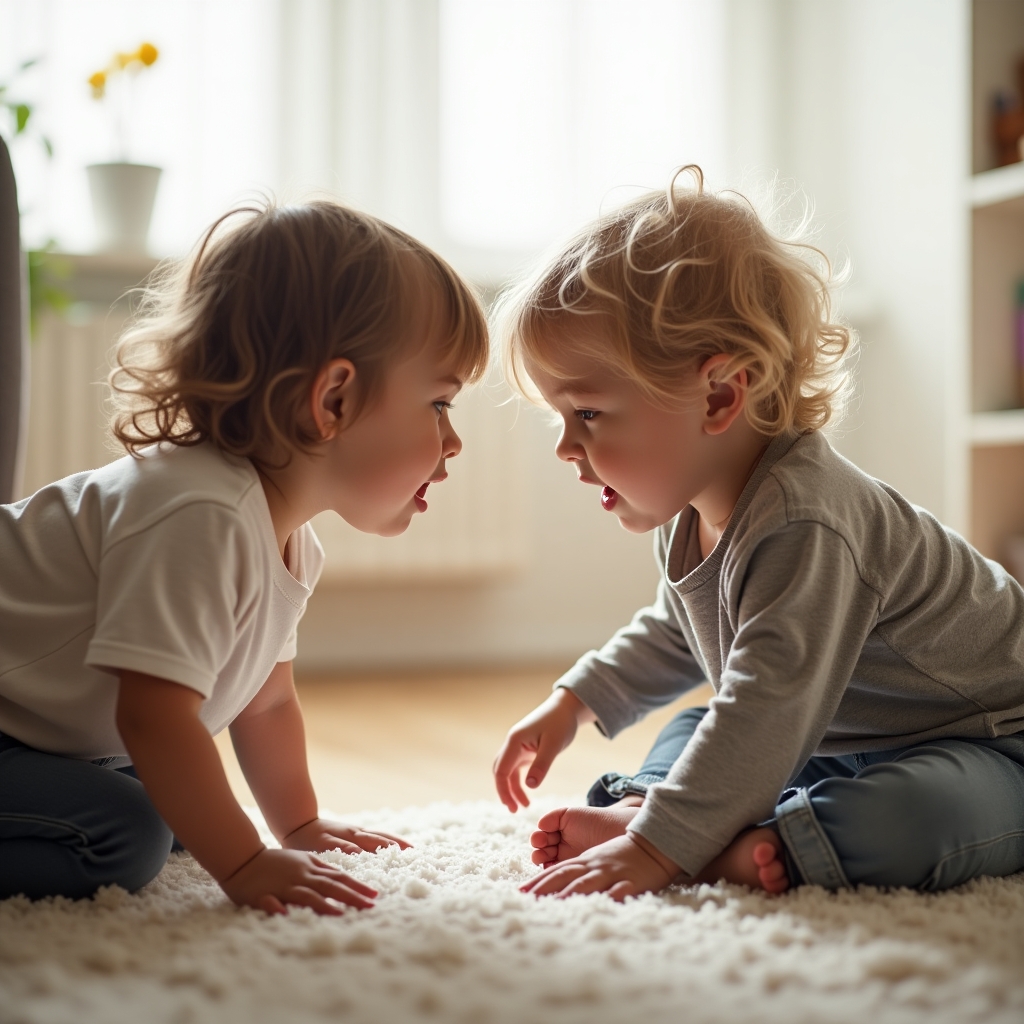
Research shows that siblings between ages 3-7 have conflict an average of 3-4 times per hour when together. That's not a parenting failure—that's human nature.
Even in the most loving families, siblings fight. It's not a sign that something is broken.
Why Siblings Fight: The Real Reasons
Competition for Resources
In evolutionary terms, siblings are competing for parental resources—attention, time, food, love. This competition is wired in. Even when there's plenty to go around, the instinct remains.
Different Developmental Stages
A 3-year-old and a 6-year-old have fundamentally different needs, abilities, and interests. They're on different planets developmentally, forced to share a home.
They Spend a Lot of Time Together
Proximity breeds conflict. Even best friends would fight if they spent every waking hour together. Siblings often have no choice.
Limited Emotional Regulation
Children are still learning to manage frustration, disappointment, and anger. Siblings are often the safest target for those big feelings—they're always there and won't abandon you.
Establishing Identity
Children figure out who they are partly by differentiating from siblings. "I'm the athletic one. She's the artistic one." Sometimes this differentiation plays out as conflict.
Testing Boundaries
Home is where children feel safe enough to test limits. Siblings are convenient targets for figuring out what's okay and what isn't.
Jealousy and Perceived Favoritism
Even in families that work hard to be fair, children often perceive favoritism. "You love him more!" This perception—whether accurate or not—fuels conflict.
The Benefits of Sibling Conflict
This might sound counterintuitive, but sibling conflict serves important developmental purposes:
Conflict Resolution Skills
Where else will children practice negotiation, compromise, and resolution in a low-stakes environment? Siblings provide a training ground for handling conflict throughout life.
Emotional Regulation
Learning to manage anger, frustration, and disappointment with a sibling translates to better emotional regulation overall.
Understanding Others' Perspectives
"She thinks it's unfair because..." The ability to see another person's viewpoint is built through countless sibling interactions.
Assertiveness
Learning to stand up for yourself, say no, and advocate for your needs often starts with siblings.
Resilience
Minor conflicts and their resolution build resilience. Children learn that relationships survive disagreements.
What Research Tells Us
Studies have found that:
- Children with siblings tend to have better social skills than only children - Managed sibling conflict (where parents coach rather than control) leads to better outcomes - Adult siblings who fought as children can still have close relationships - The way parents handle conflict matters more than the amount of conflict
When Conflict Is Concerning
Most sibling conflict is normal. Be more concerned if:
- One child is consistently victimizing the other - There's significant physical harm - One child seems afraid of the other - Conflict is constant with no positive interactions - One or both children seem depressed or anxious because of the relationship - Aggression is escalating over time
These patterns may need more intervention or professional support.
What This Means for You
You don't need to eliminate sibling conflict. You need to:
- Accept that it's normal - Teach conflict resolution skills - Ensure basic safety - Avoid consistently taking sides - Create opportunities for positive sibling interaction - Model healthy conflict resolution yourself
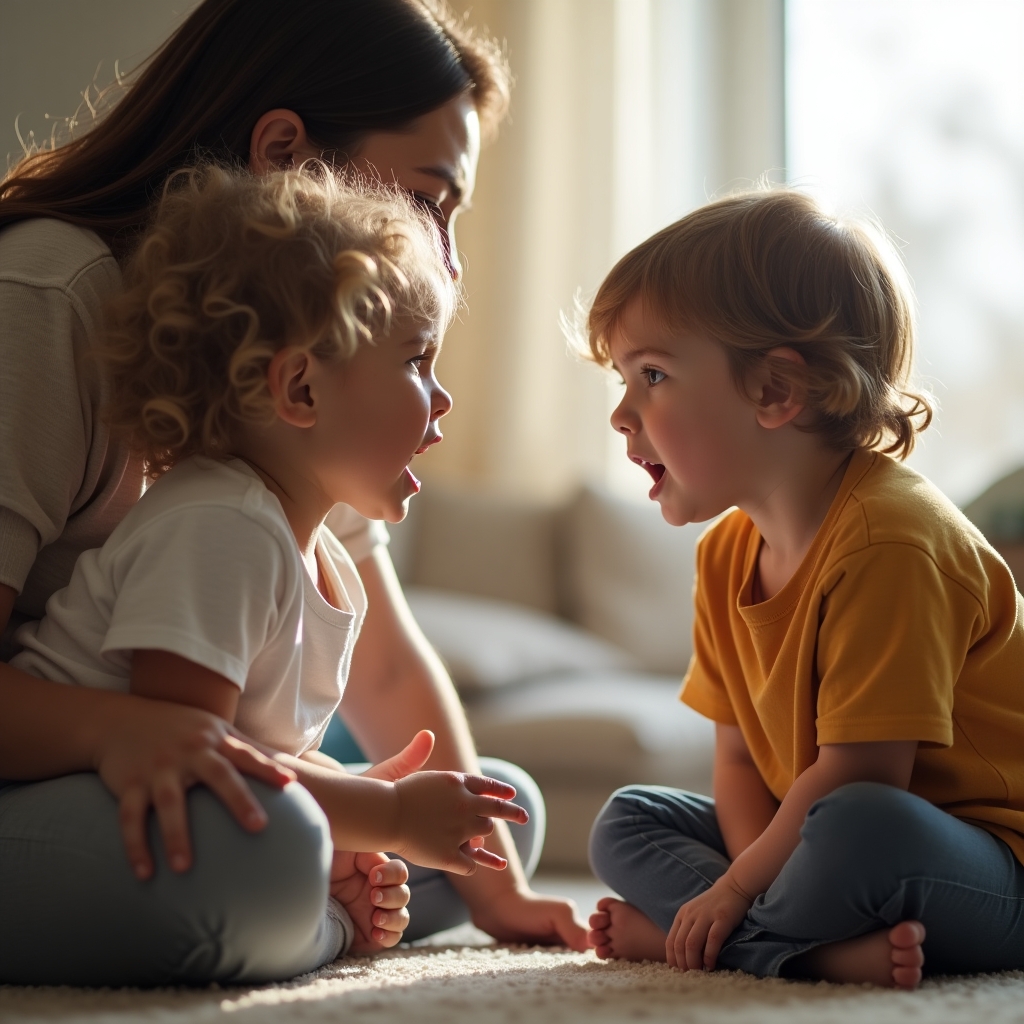
Your children are practicing skills they'll use for life. Your job is to coach them, not referee them.