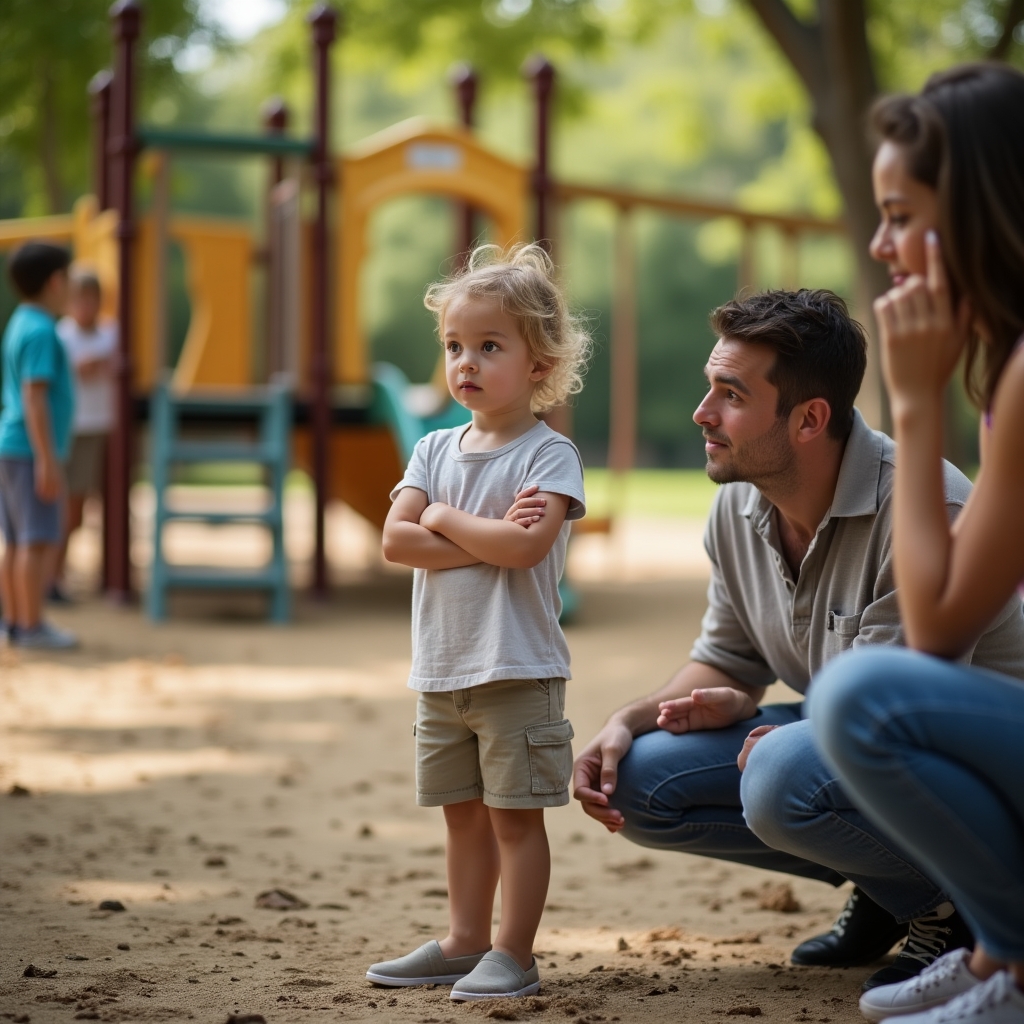
Helping Your Child Deal with Bullying
What to do when your child is being bullied.
Bullying is more than conflict—it's a pattern of targeted aggression. If your child is being bullied, they need your support and, often, adult intervention. Here's how to help.
What Counts as Bullying
Bullying is: - **Repeated:** Not a one-time incident - **Intentional:** Meant to harm - **Power-imbalanced:** The bully has some advantage (size, popularity, numbers)
It can be: - **Physical:** Hitting, pushing, taking belongings - **Verbal:** Name-calling, insults, threats - **Social/Relational:** Exclusion, spreading rumors, damaging friendships - **Cyber:** Harassment via text, social media, online
Normal conflict between equal-power children isn't bullying. But repeated, targeted mistreatment is.
Signs Your Child May Be Bullied
Children often don't tell. Watch for: - Reluctance to go to school - Unexplained injuries or lost belongings - Changes in eating or sleeping - Declining grades - Withdrawal from friends or activities - Mood changes: sadness, anxiety, irritability - Physical complaints with no medical cause - Talking about feeling helpless or hopeless
When Your Child Tells You
Believe Them
Take it seriously. Don't dismiss it as "kids being kids" or assume they're exaggerating.
"Thank you for telling me. I believe you, and I'm going to help."
Stay Calm
Your visible anger or distress can make them regret telling you. Stay regulated, even if you're upset inside.
Listen Fully
Get the whole story: - What's happening? - Who's doing it? - Where and when? - How long has it been going on? - Who knows about it?
Validate Their Feelings
"That sounds really scary and hurtful. Anyone would be upset."
Don't Blame Them
Avoid: "What did you do to provoke them?" or "Why didn't you fight back?"
Victims aren't to blame for being bullied.
Assure Them You'll Help
"We're going to figure this out together. You don't have to handle this alone."
What to Do
Document Everything
Keep a record: - Dates and times of incidents - What happened - Who was involved - Who witnessed it - Impact on your child
This documentation helps when you involve the school.
Don't Tell Your Child to "Just Ignore It"
This rarely works and can make the child feel unsupported. Bullies often escalate when ignored.
Teach Assertive Responses
While not putting the burden on the victim, some strategies can help: - Standing tall, making eye contact - Using a firm voice: "Stop. Leave me alone." - Walking away toward other people - Not reacting with visible distress (which can reward the bully) - Staying near adults when possible
Practice these through role-play.
Involve the School
Schools have an obligation to address bullying. Contact: - The classroom teacher - School counselor - Principal if needed
Approach as collaborators, not adversaries. Present your documentation. Ask about the school's bullying policy and what steps they'll take.
Follow Up
One conversation often isn't enough. Check in with your child and the school regularly. If bullying continues, escalate within the school system.
Protect Them Online
For cyberbullying: - Save evidence (screenshots) - Block the bully - Report to the platform - Involve school if it involves classmates - Involve police if there are threats
Build Their Support Network
Help your child connect with friends outside the bullying context: - Activities outside school - Trusted adults at school (counselor, favorite teacher) - Family connections
Nobody should face bullying alone.
Address the Emotional Impact
Bullying can cause lasting harm: - Anxiety and depression - Low self-esteem - Academic problems - Trauma responses
Consider counseling if your child is significantly affected.
What Not to Do
Don't Tell Them to Fight Back Physically
This can escalate the situation and get your child in trouble.
Don't Contact the Bully's Parents Directly
This often backfires. Let the school mediate.
Don't Promise Complete Confidentiality
You may need to tell the school. Be honest: "I may need to get help from adults at school to make this stop."
Don't Wait It Out
Bullying rarely stops on its own. The earlier you address it, the better.
When the School Doesn't Help
If the school is unresponsive: - Document their inaction - Go up the chain (principal, superintendent, school board) - Consult the district's bullying policy - In severe cases, consult an attorney - Consider whether a school change is necessary
Your child's safety comes first.
When Your Child Is the Bully
This is a different and difficult situation. If you discover your child is bullying: - Take it seriously - Understand why (insecurity, problems at home, learned behavior) - Hold them accountable - Teach empathy - Work with the school - Consider professional help
Addressing bullying behavior early prevents worse outcomes later.
The Long View
Bullying is serious, but children can recover—especially with strong parental support, effective intervention, and time. Your belief in your child and your willingness to fight for them makes a difference.