Bullying & exclusion
Being left out, teasing, standing up
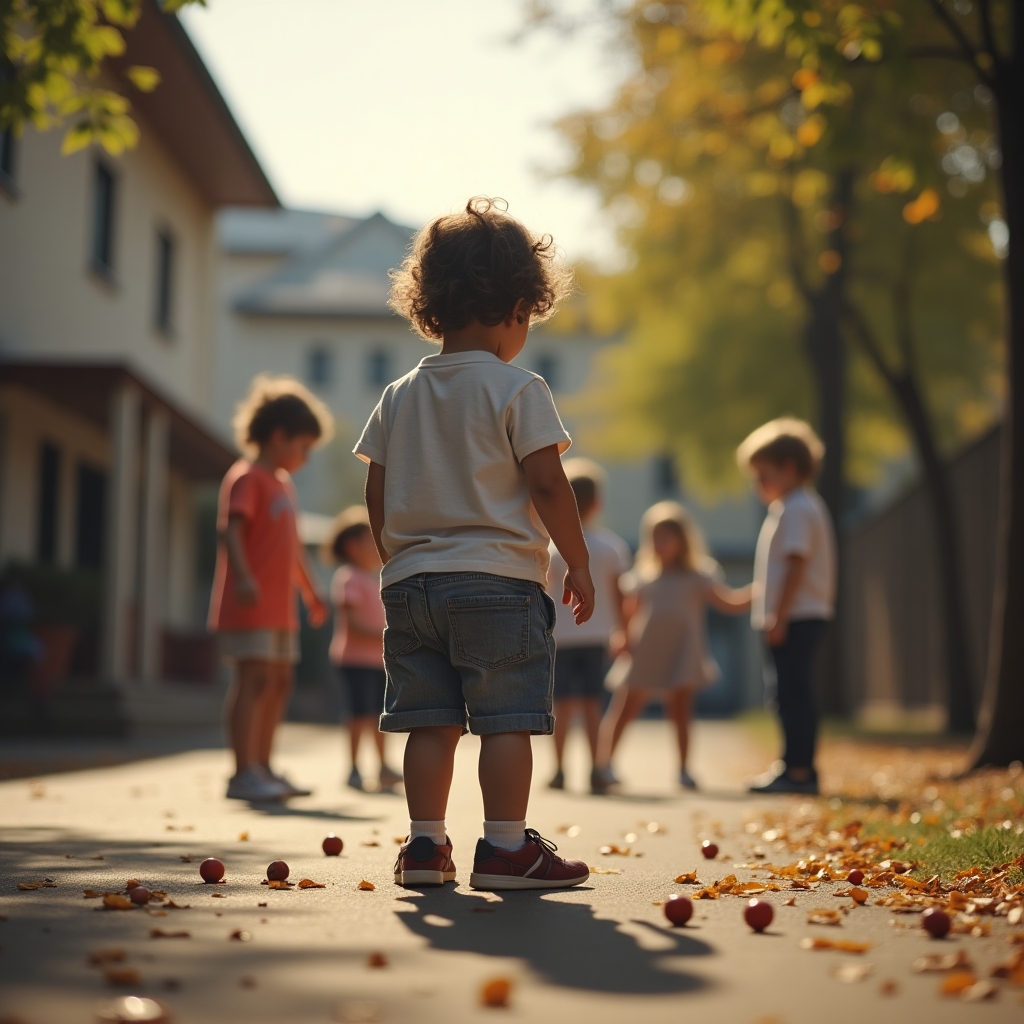
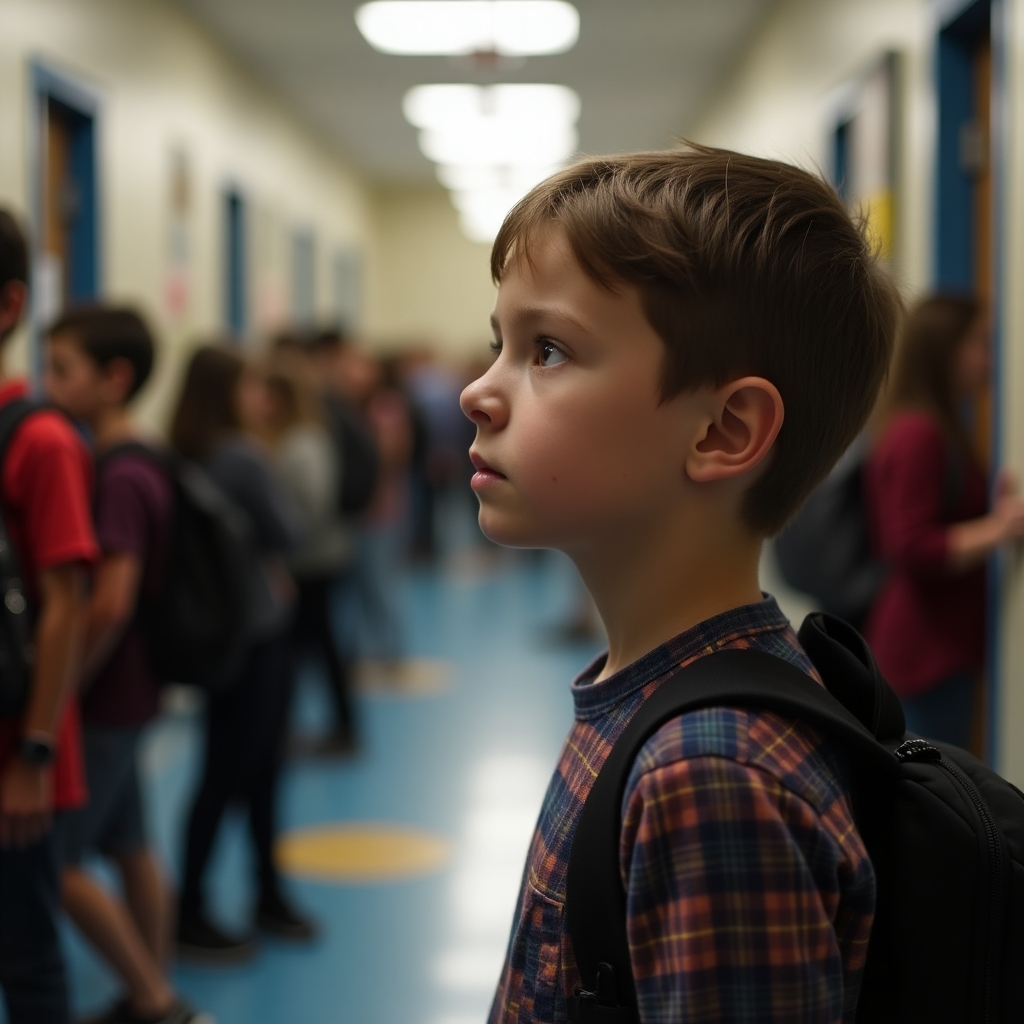
The "no one will play with me." The party invitation that never came. The meanness that seems deliberate. Whether your child is being excluded or doing the excluding, these dynamics are painful to navigate.
What to Know
Being left out hurts at any age, but for kids, exclusion can feel catastrophic. Their social world is small and intense, and losing a place in it feels like losing everything. Whether it's deliberate bullying or subtler exclusion, the pain is real and deserves to be taken seriously.
Kids who are excluded often don't know why, which makes it harder to address. Sometimes there are fixable social skill gaps. Sometimes it's the cruelty of group dynamics. Sometimes it's both. Understanding what's actually happening helps you know how to support your child.
If your child is doing the excluding, that's painful to face too. Kids exclude others for many reasons — to feel powerful, to fit in, to protect their social position. These behaviors need addressing, but with curiosity about the why, not just punishment for the what.
Signs to Watch
- •Says "no one will play with me" or "I have no friends"
- •Isn't invited to social events that include peers
- •Comes home upset about things said or done to them
- •Shows signs of anxiety or reluctance about school or social settings
- •Has changes in mood, appetite, or sleep related to peer issues
- •Avoids talking about what happens socially
Stories
Stories coming soon
We're working on stories to help children with bullying & exclusion.
Articles

Activities & Worksheets
Activities coming soon
Downloadable activities and worksheets for this topic.