Bedtime & sleep
Going to bed, staying in bed, sleep resistance
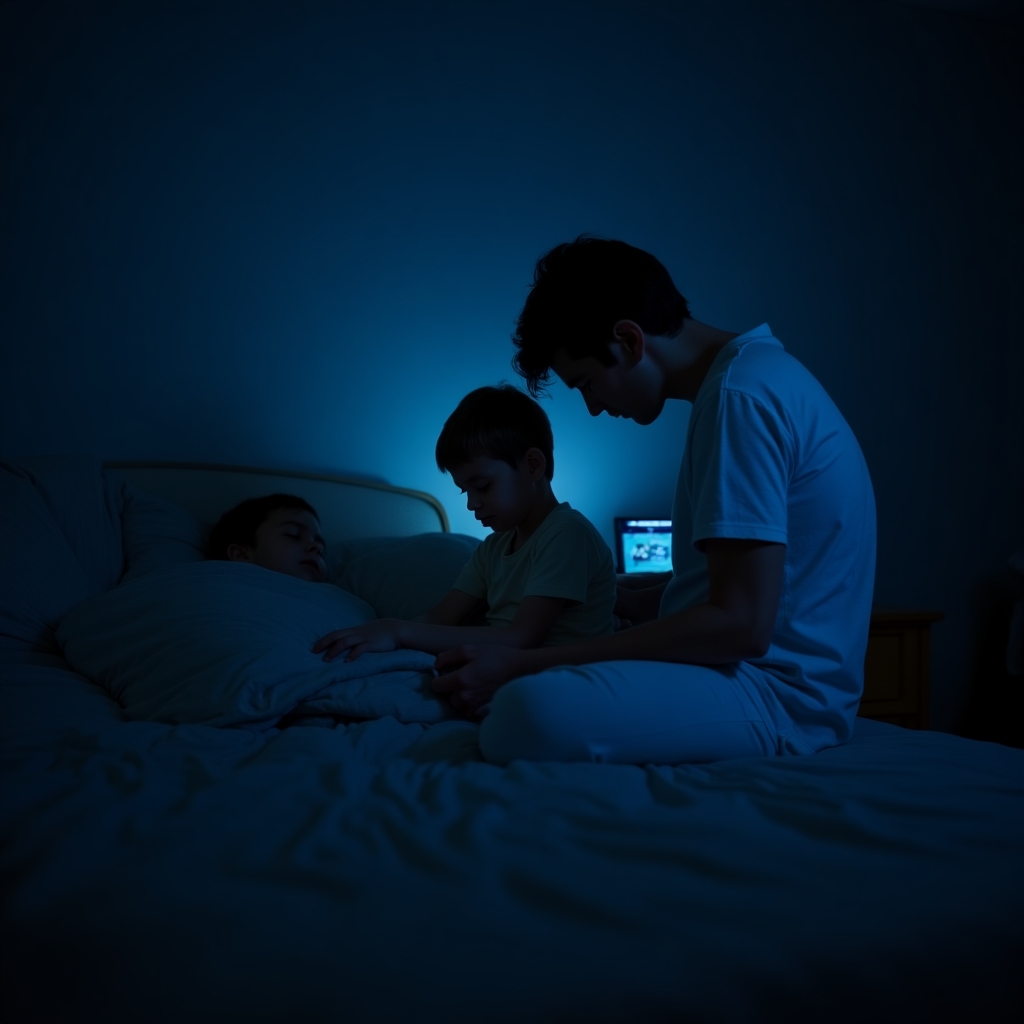
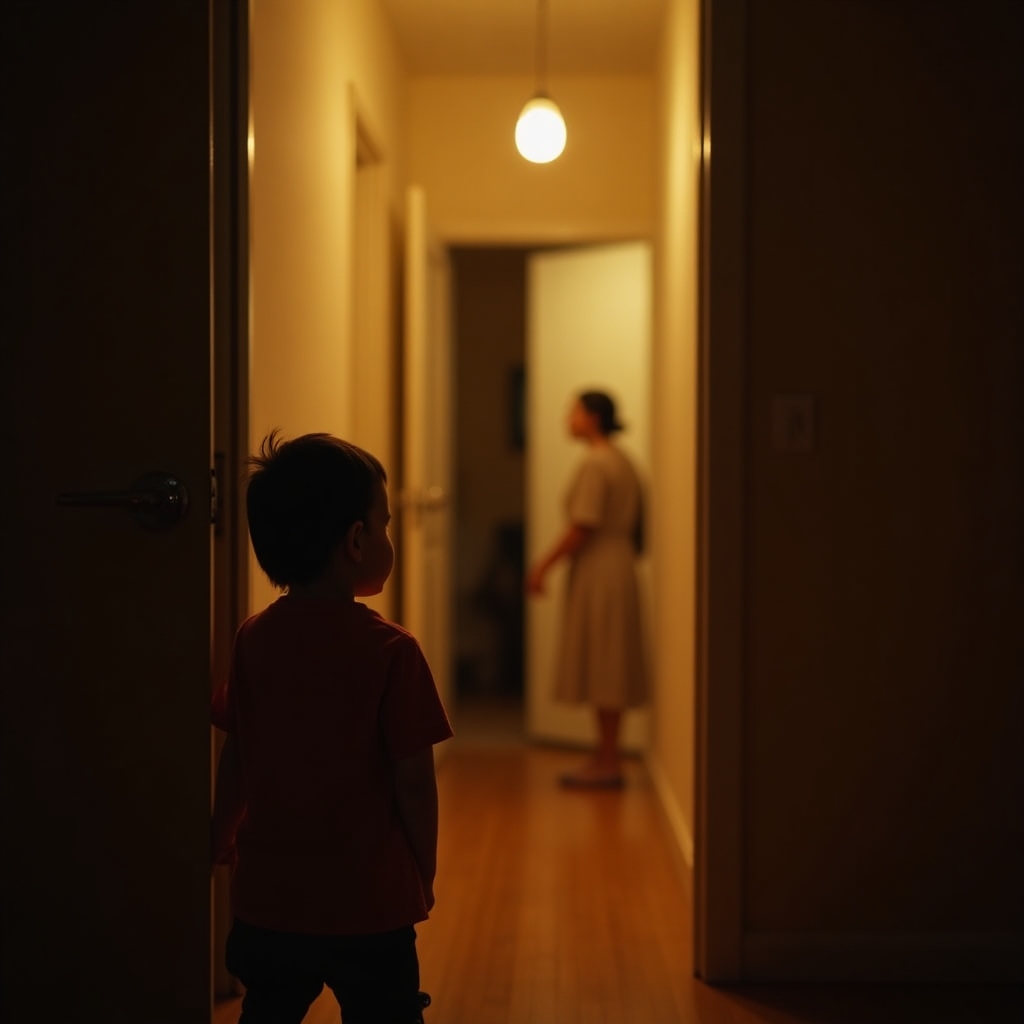
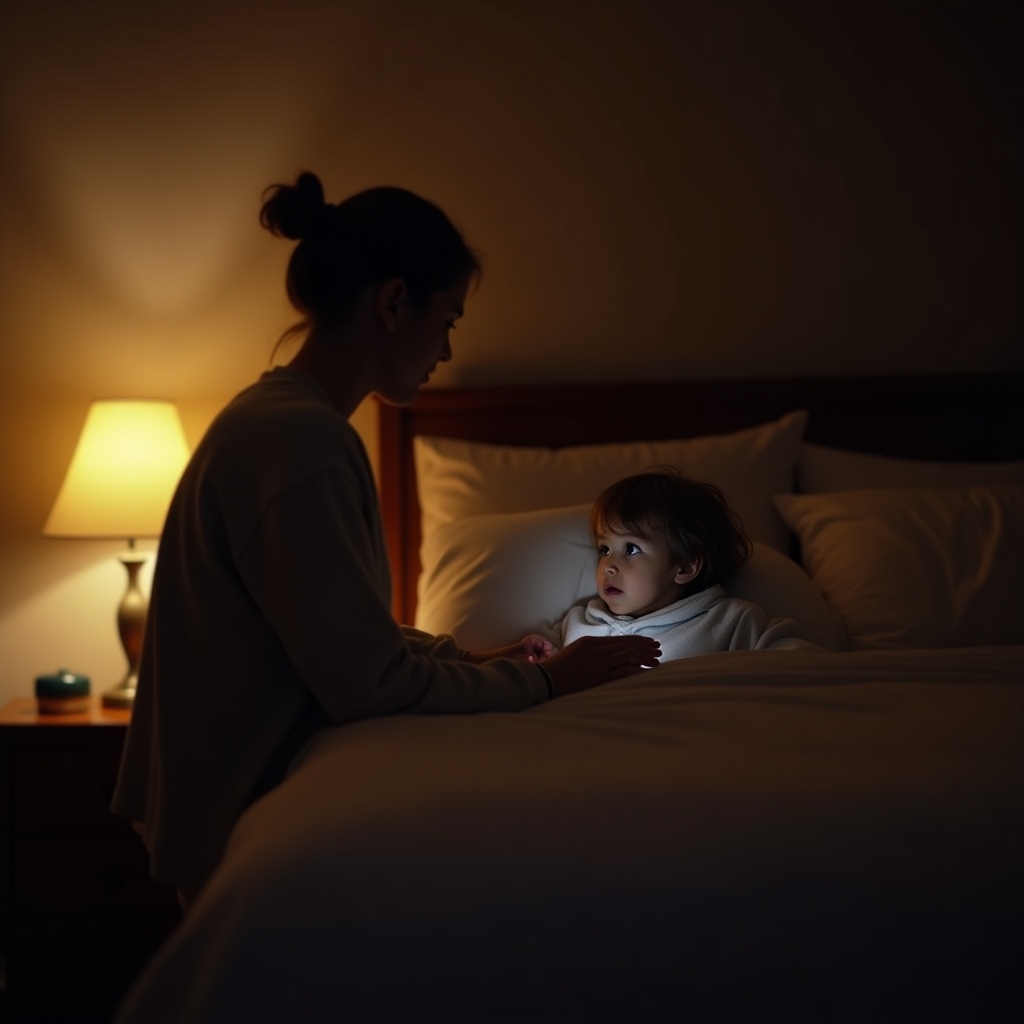
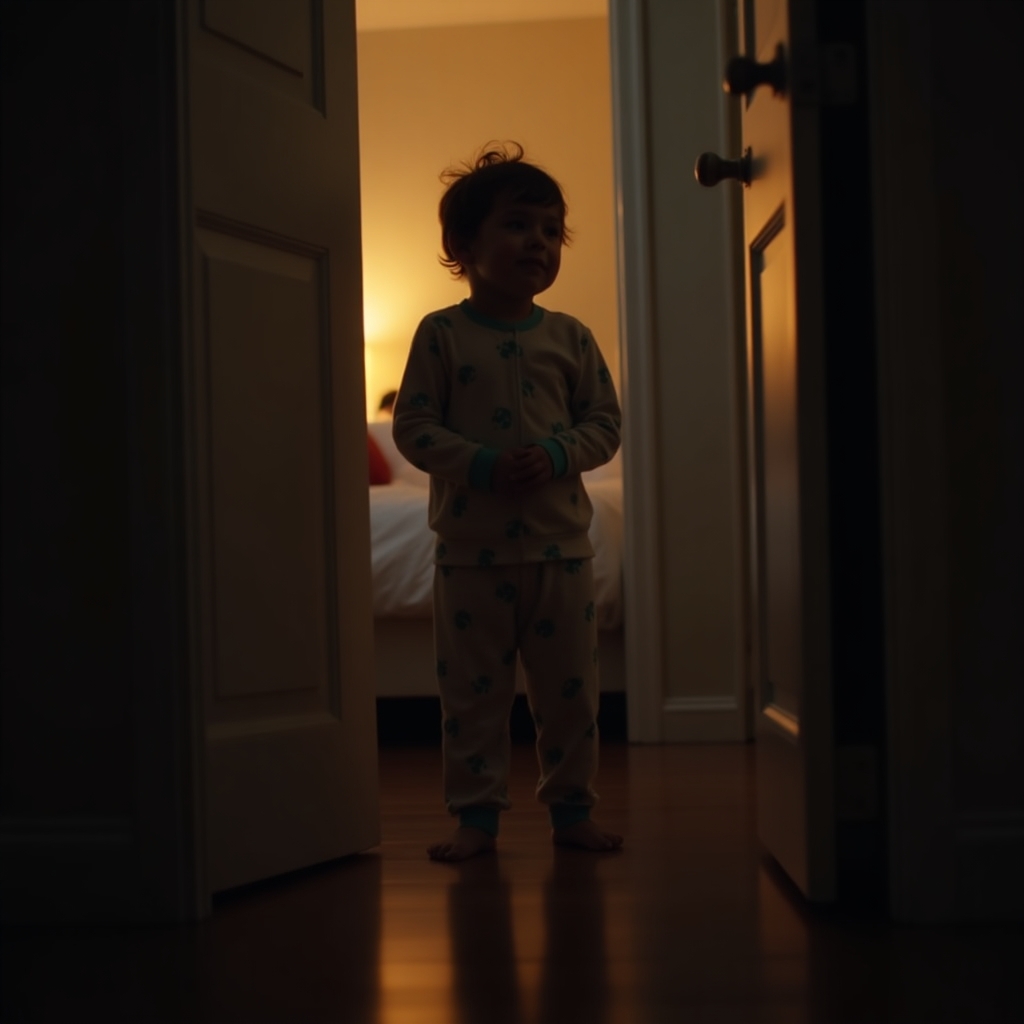
The requests for one more drink, one more hug, one more story. The child who appears in your doorway an hour after lights out. Bedtime battles are exhausting because they happen when everyone's reserves are lowest. There are ways to make this easier.
What to Know
Bedtime is hard because it happens at the worst time of day — when everyone's reserves are lowest. Kids are tired, parents are tired, and patience is in short supply. Add separation anxiety, fear of the dark, FOMO, or difficulty transitioning, and you have a recipe for nightly battles.
Sleep resistance rarely responds to logic. Explaining why sleep matters doesn't help a child who genuinely struggles to fall asleep or fears being alone. What helps: consistent routines, clear boundaries, and addressing the underlying reason for the resistance (fear, overstimulation, attention-seeking, or something else).
The goal isn't perfect, immediate compliance. It's a routine that works well enough most nights, with gradual improvement over time. Kids can learn to fall asleep more independently, but it takes consistency and patience.
Signs to Watch
- •Takes a very long time to fall asleep
- •Gets out of bed repeatedly with requests or fears
- •Has anxiety about bedtime or sleeping alone
- •Fights the bedtime routine at every step
- •Wakes frequently during the night
- •Is exhausted during the day from poor sleep
Stories
Articles

Activities & Worksheets
Activities coming soon
Downloadable activities and worksheets for this topic.