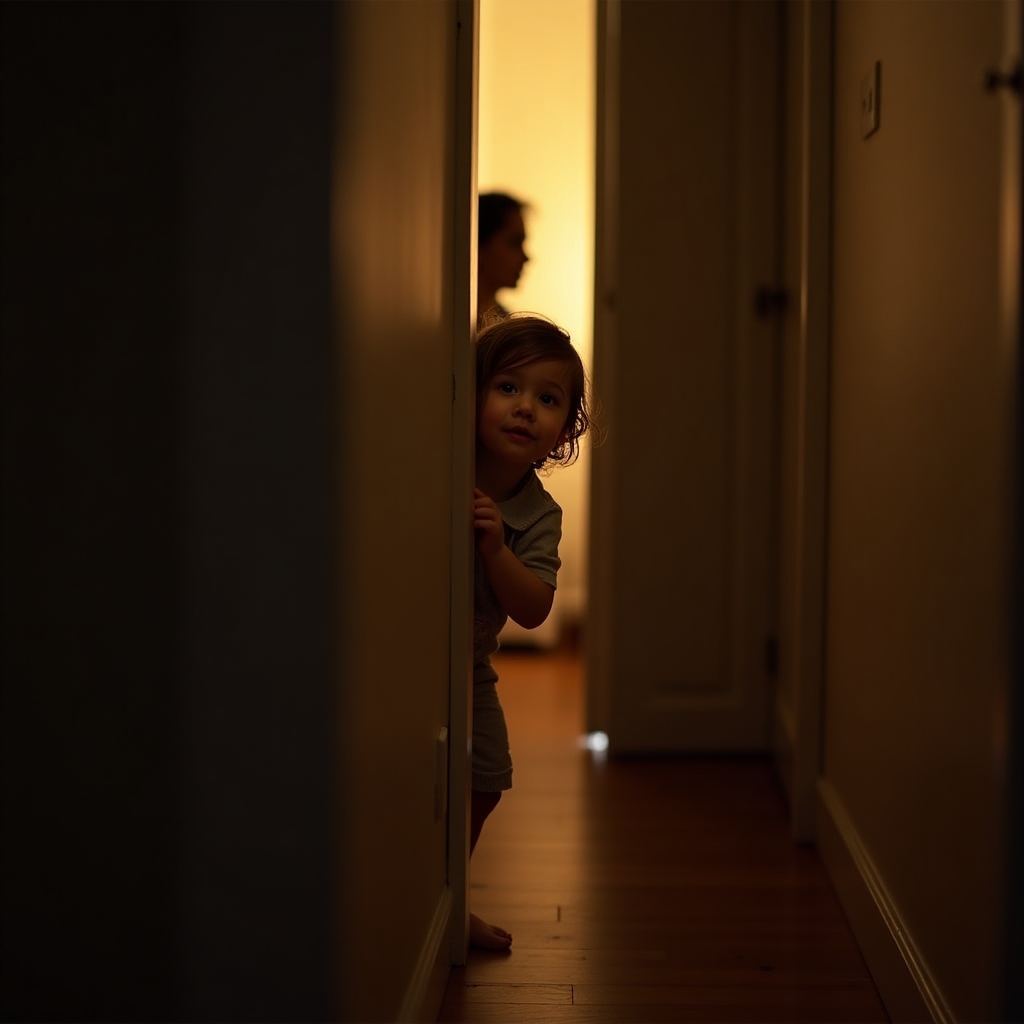
How to Stop the Endless Bedtime Requests
Breaking the cycle of "one more" without the nightly battles.
Water. Bathroom. One more hug. Different pajamas. A snack. Did you check under the bed? I need to tell you something. My toe hurts. Can I ask one question?
Sound familiar? Endless bedtime requests are exhausting—and they're almost universal. Here's how to break the cycle.
Why Kids Do This
Bedtime requests aren't (usually) manipulation. They're driven by:
**Transition resistance.** Shifting from active daytime to quiet sleep is hard. Requests delay that transition.
**Desire for connection.** Each request brings you back. More time with you.
**Control seeking.** Bedtime is something done to them. Requests give them some power.
**Genuine needs they forgot.** Sometimes they really are thirsty. Or do need to pee. Or remembered something important.
**Anxiety or fear.** Requests keep you close, which feels safer.
Understanding the driver helps you respond effectively.
The Preemptive Strike: Build Requests Into the Routine
Most bedtime requests are predictable. Build them into your routine so they're already handled:
**"Last call" for water** — Final drink at teeth-brushing time. Put a small water cup by the bed.
**Bathroom built in** — Toilet is always the last stop before bed.
**Extra hug included** — "Let's do our three hugs" (or whatever number) as part of tuck-in.
**One question allowed** — "You can ask me one thing, then it's time to sleep."
**Under-bed check included** — Make it part of the routine if your child always asks.
When requests are already addressed, they lose their power. "We already did that, remember? It's sleep time now."
The Bedtime Pass
This strategy works surprisingly well for children ages 3-8.
Give your child one physical "pass" (an index card, a special token) at bedtime. They can use the pass for ONE thing after you leave—one request, one question, one visit from you.
Once the pass is used, it's gone until tomorrow. No more requests.
The magic: Children often don't use the pass. Just knowing they have the option is enough. And when they do use it, you honor it cheerfully—then you're done.
The Broken Record Response
When requests come after "goodnight," use the same brief response every time:
"I love you. It's time for sleep. Goodnight."
Don't engage with the content of the request. Don't problem-solve. Don't explain why they can't have another book. Just repeat your phrase.
This is boring. That's the point. You're not rewarding the request with engagement.
Address the Underlying Need (During the Day)
If bedtime requests are really about connection, add more connection earlier:
- 10-15 minutes of child-led play before the bedtime routine - A slightly longer book time - "Tell me two things about your day" during dinner
A child whose connection cup is full has less need to fill it at bedtime.
If requests are about control, offer control earlier:
- "Do you want to start with teeth or pajamas?" - "Pick two books for tonight" - Let them arrange their stuffed animals however they want
A child with some power doesn't need to seize it at bedtime.
Handling the "I Have to Tell You Something Important"
This one is hard because sometimes it really is important. And sometimes it's a stall tactic.
Try: "You can tell me one thing. Then it's sleep time."
Or: "Let's talk about it in the morning. I'll remember." (Then actually ask in the morning.)
Or: Keep a small notepad by the bed. "Write it down (or draw it) so we remember. We'll talk tomorrow."
If They Keep Coming Out of the Room
Some children don't call for you—they just appear.
**Walk them back.** Every time, walk them back to bed with minimal engagement. "It's bedtime. Back to bed." No conversation, no negotiation.
**Be boring.** Don't give them the engagement they're seeking.
**Be consistent.** The first few nights might involve many walk-backs. It will get better if you stay consistent.
**Consider a gate or door monkey** (a door-top lock that keeps the door open a few inches but prevents exit) for persistent runners—after you've ruled out fear or genuine needs.
What If Nothing Works?
If you've tried everything and bedtime is still a battle:
- Check the schedule. Are they actually tired at bedtime? Or is bedtime too early/late? - Evaluate daytime connection. Is there enough positive time together before bedtime? - Rule out anxiety. Some children have genuine nighttime anxiety that needs more support. - Consider a short-term reset. Sometimes sitting in their room for a few nights (boring, no engagement) "resets" the expectation.
Bedtime battles are exhausting, but they do get better. Consistency—even imperfect consistency—wins over time.