Patience & waiting
Taking turns, delayed gratification
"Is it time yet?" "How much longer?" "I can't wait!" Patience is genuinely hard for kids because their sense of time is different from ours. Five minutes can feel like an hour when you're four.
What to Know
Patience is genuinely hard for kids because their sense of time is different from ours. Five minutes can feel like an hour when you're four. This isn't a character flaw — it's developmental reality. The ability to delay gratification grows slowly over childhood and isn't fully developed until much later.
When kids struggle to wait, they're not being difficult on purpose. They're dealing with a feeling of urgency that's hard to override. Their brain wants the thing now, and waiting creates genuine discomfort. The ability to tolerate that discomfort and trust that the thing will come is a skill that takes years to build.
Practice helps, but so does scaffolding. Visual timers, countdown warnings, distraction strategies, and keeping waits short and predictable all help kids succeed while their patience muscle develops.
Signs to Watch
- •Asks "how much longer?" repeatedly
- •Has meltdowns when asked to wait
- •Struggles with turn-taking games or activities
- •Wants everything immediately
- •Has difficulty with delayed rewards or long-term goals
- •Gets more impatient when tired or hungry
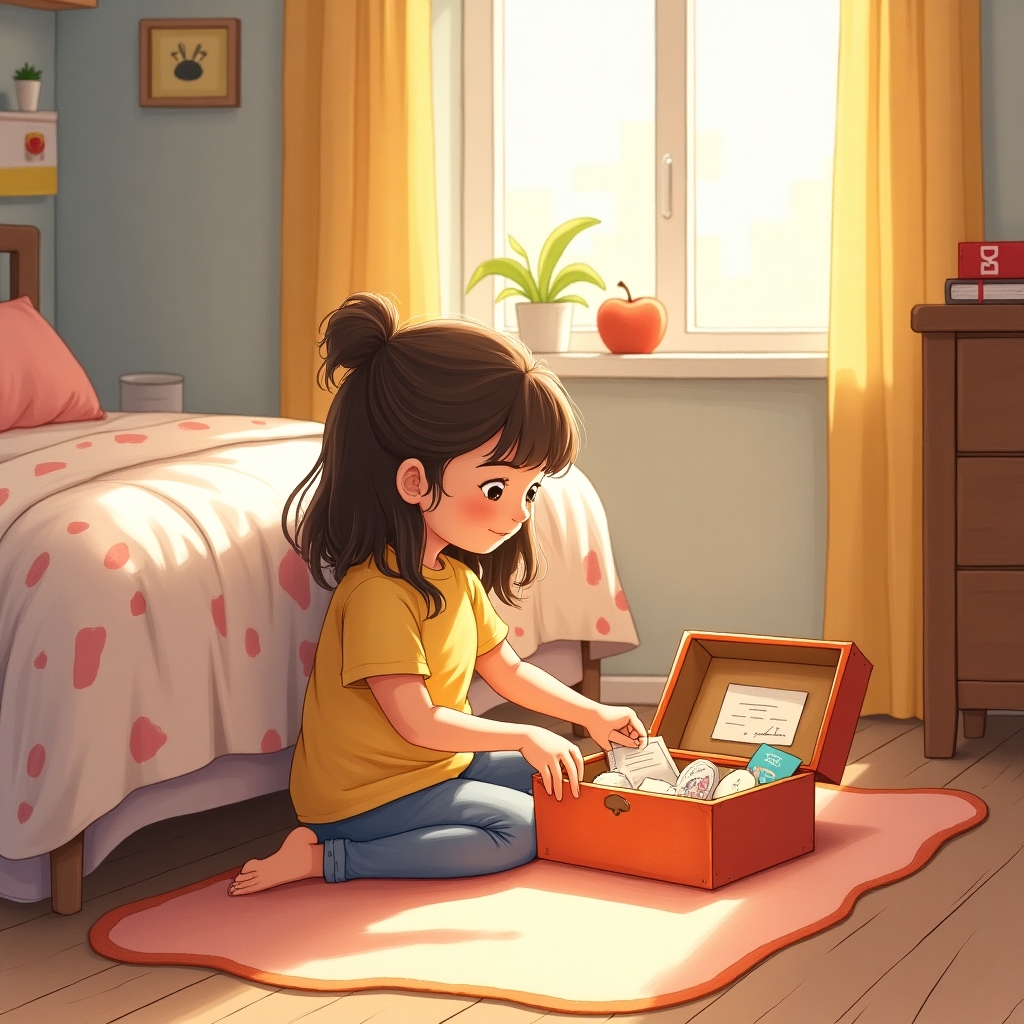
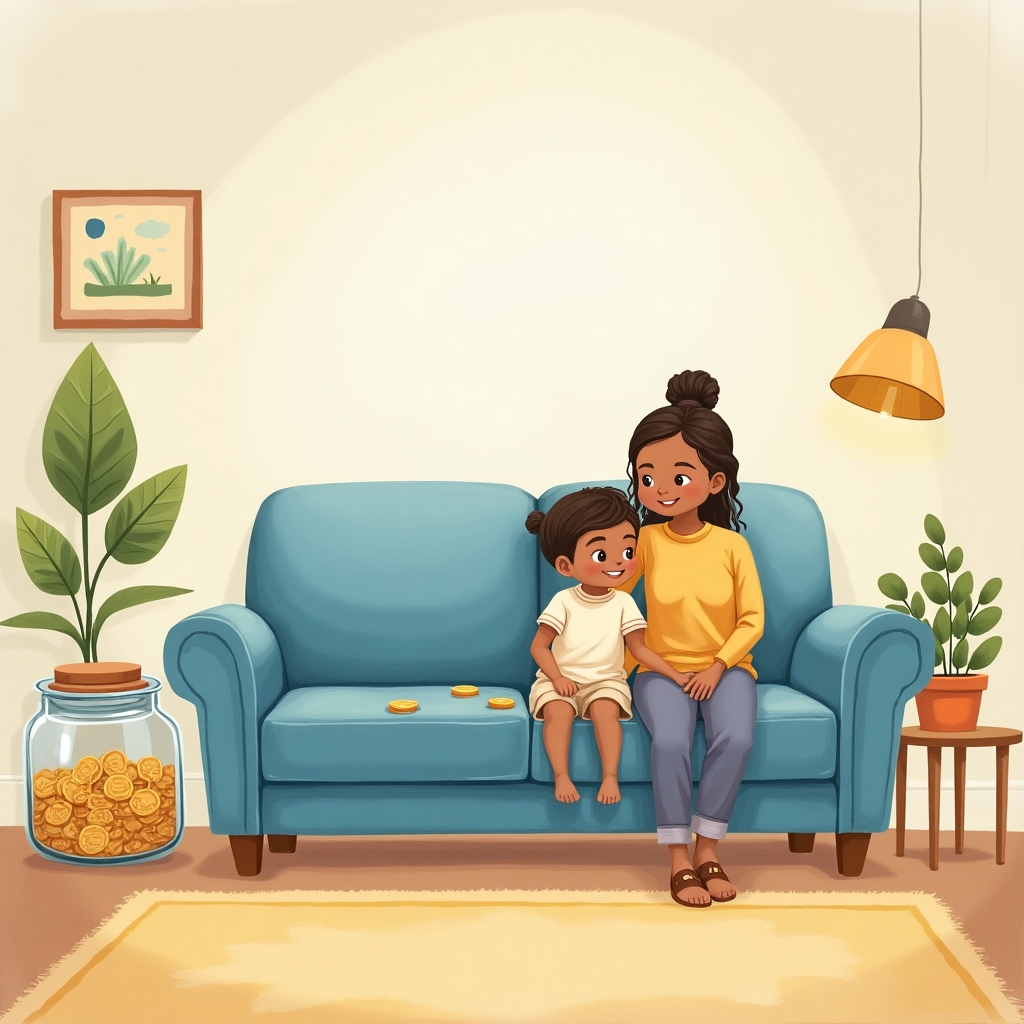
Stories








Articles


Activities & Worksheets
Activities coming soon
Downloadable activities and worksheets for this topic.