Poop Problems: When Kids Won't Poop on the Potty
Why poop training is harder—and how to help.
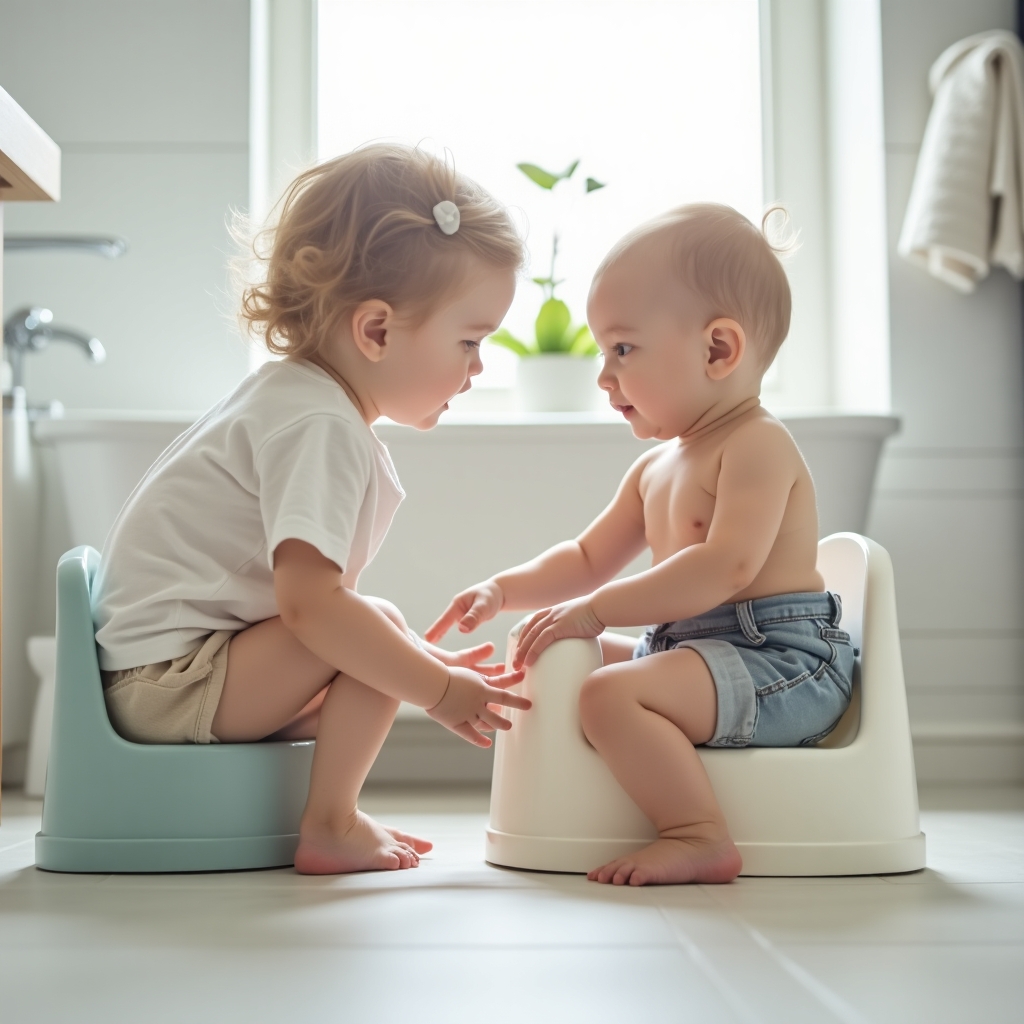
Pee trained but won't poop on the potty? This is incredibly common. Poop is different—physically and emotionally—and many kids master pee first, then take much longer with poop. Here's why, and what helps.
Why Poop Is Harder
It Feels Different
Peeing is a release. Pooping requires pushing—an active process that can feel strange or even scary when done in a new way.
They Can See It
Poop is visible. Some kids are fascinated; others are disturbed. Watching their poop fall into the toilet can feel weird or scary.
Flushing Anxiety
If it came out of their body, does flushing it mean losing part of themselves? This sounds strange to adults, but it's real for some kids.
Position Matters
Squatting (diaper position) is actually easier for pooping than sitting on a toilet. The mechanics are different.
Timing Is Less Predictable
Pee happens many times a day. Poop typically happens 1-2 times. Fewer opportunities to practice.
Holding Is Possible
Kids can hold poop more easily than pee. And holding creates its own problems (constipation, withholding cycle).
Privacy Preferences
Many toddlers poop privately—in a corner, behind furniture. The bathroom is exposed in comparison.
Common Patterns
Will Only Poop in a Diaper
They ask for a diaper when they need to poop, then poop in it successfully. They know when they need to go and can hold it—they just won't use the potty.
Withholds Until Constipated
They hold their poop for so long that it becomes hard and painful, which makes them hold it more. This cycle is common and problematic.
Poops During Nap/Night
The only time they're in a diaper, so that's when it happens.
Hides to Poop
Goes to their "spot" to poop, but won't use the potty.
Strategies That Help
Address Constipation First
If poop is hard or painful, nothing else will work. Focus on diet: - More fiber (fruits, vegetables, whole grains) - More water - Less constipating foods (dairy, bananas, white bread) - Possibly a fiber supplement or stool softener (ask your pediatrician)
Soft poop is the foundation.
Use a Stool (Literally)
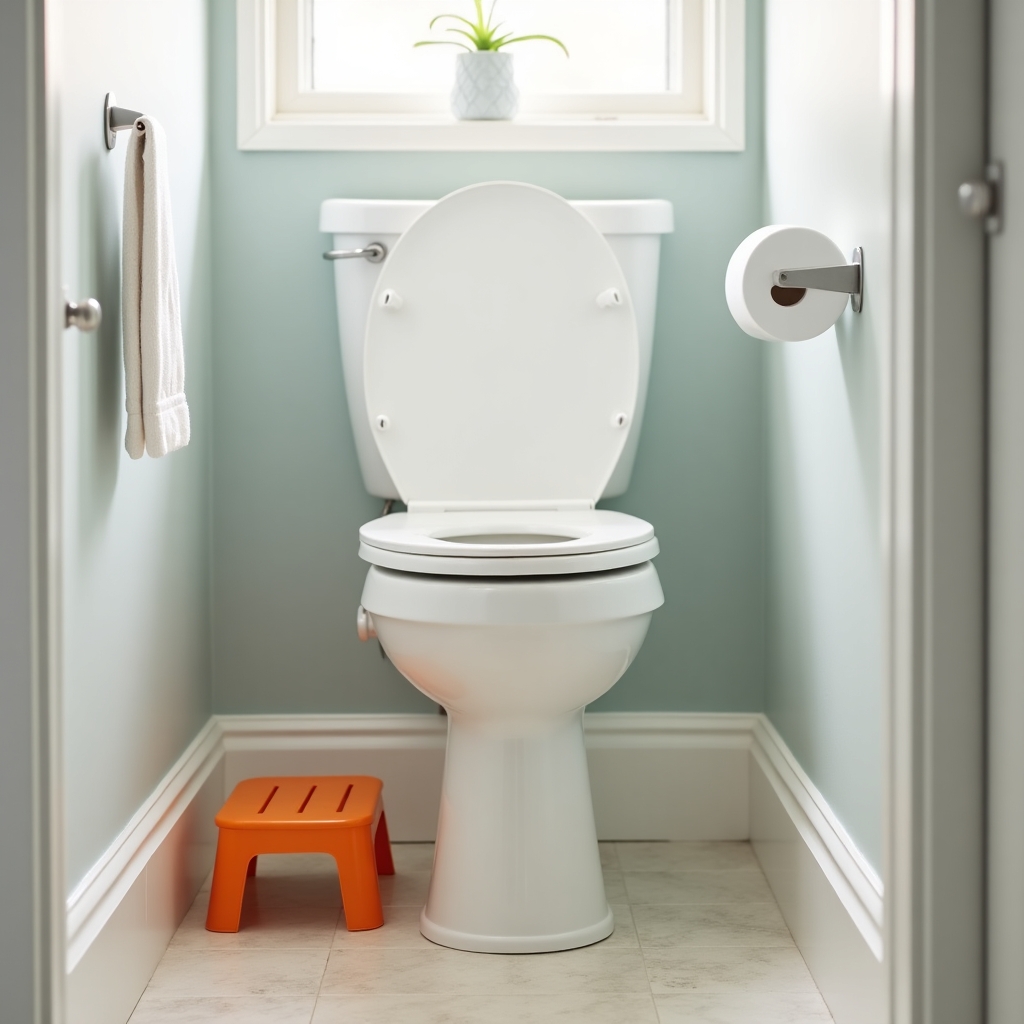
A small stool under their feet while sitting on the toilet mimics squatting position. This makes pooping easier mechanically. A Squatty Potty-type device works well.
Let Them Poop in the Diaper—In the Bathroom
If they need a diaper to poop, have them wear the diaper but sit in the bathroom. This creates association with the bathroom. Gradually progress: 1. Poop in diaper, anywhere 2. Poop in diaper, in bathroom 3. Poop in diaper, sitting on toilet 4. Poop in diaper with hole cut in it, on toilet 5. Poop in toilet
Catch the Timing
When do they usually poop? After breakfast? Have them sit (without pressure) at that time. Consistency helps.
Create Comfort
Make the bathroom comfortable: - Books to look at - A private potty chair vs. big toilet - Warmth (not cold seat) - Privacy if they prefer
Talk About It
Explain simply: "Poop is what's left over after your body takes the good stuff from food. It needs to come out so more food can go in. The potty is where it goes."
Don't Force or Punish
Forcing creates resistance. Punishing creates anxiety. Both make the problem worse.
Celebrate Small Steps
Sat on the potty? Celebration. Tried even though nothing happened? Celebration. Any progress deserves acknowledgment.
Consider Anxiety
For genuinely fearful kids, address the fear directly: - Read books about pooping on the potty - Play with dolls/figures using the potty - Talk about what specifically scares them - Validate the fear while encouraging progress
The Withholding Cycle
Withholding is serious and needs to be broken:
1. Child holds poop (for whatever reason) 2. Poop gets hard 3. Hard poop hurts to pass 4. Child associates pooping with pain 5. Child holds poop more 6. Repeat, getting worse
If your child is in this cycle: - Focus entirely on making poop soft - See your pediatrician - Consider enemas or laxatives if needed - Don't push potty training until the cycle is broken
When to See a Doctor
- Chronic constipation - Blood in stool - Severe abdominal pain - Withholding for many days - Stool leaking (encopresis) - No progress despite trying everything
Be Patient
Poop training often lags pee training by weeks or months. This is normal. Stay calm, stay consistent, address any physical issues, and they'll get there.