Explaining Difficult World Events to Children
How to talk about scary news without increasing anxiety.
War. Natural disasters. Violence. Pandemics. Children inevitably hear about difficult world events. How you discuss these events shapes their understanding and their sense of safety.
Do They Need to Know?
Young Children (Under 5)
Protect them from news as much as possible. They can't process complex world events and gain nothing from exposure. If they overhear something: - Keep explanations very simple - Reassure safety - Move on
School Age (5-10)
They'll hear about major events at school or from friends. Brief, honest, reassuring conversations are better than silence that leaves them with partial information and active imaginations.
Tweens/Teens (10+)
They have more access to news and need to understand the world. Engage in real conversations, answer questions, and help them process what they're learning.
When They Ask or You Need to Tell Them
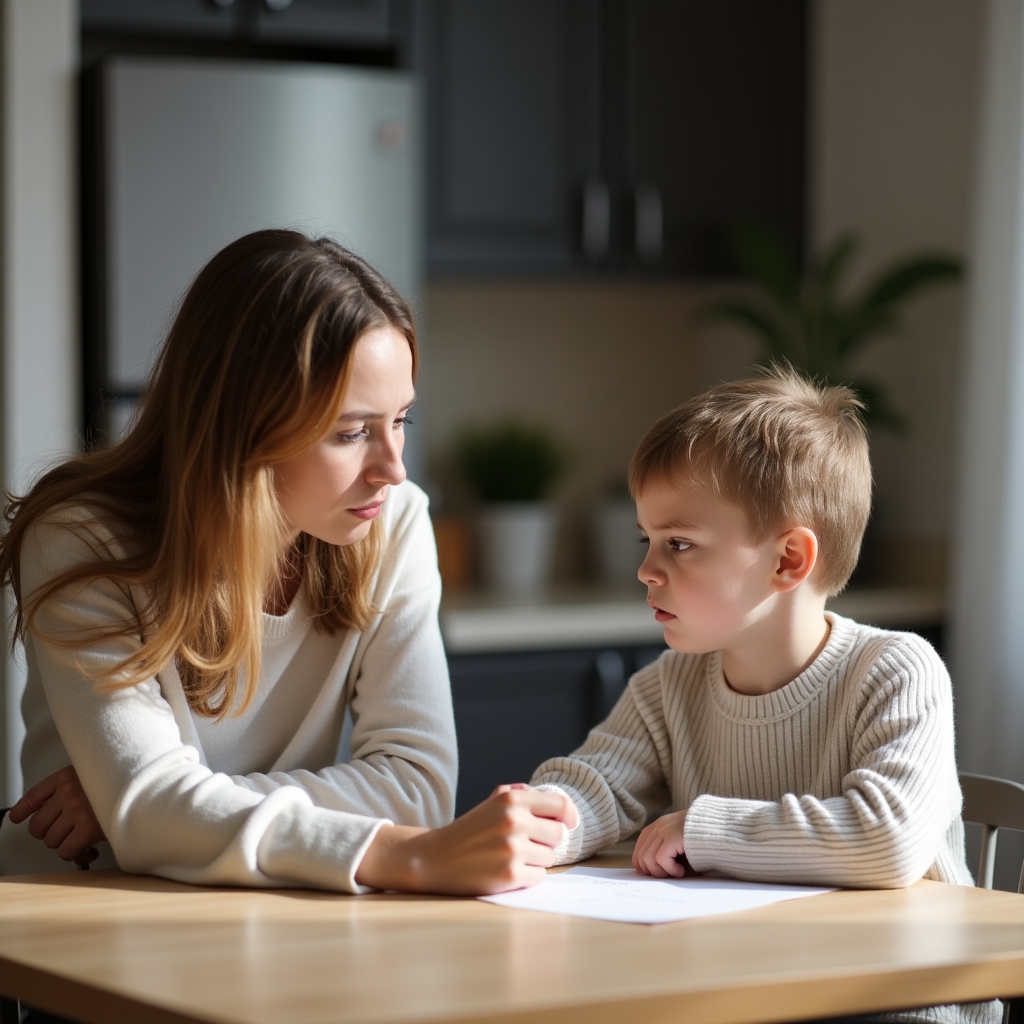
Start by Listening
"What have you heard?" or "What do you know about this?"
Understand what they already know (or think they know) before adding information. You might find out they know more than you realized—or that they have misconceptions to correct.
Give Simple, Honest Information
Provide basic facts without graphic details or extensive coverage.
"There was a hurricane in Florida. A lot of buildings were damaged and people had to leave their homes. Helpers are there now working to make things better."
Reassure Safety
Children's primary concern is usually: "Could this happen to me/us?" Reassure honestly:
"Our area doesn't get hurricanes. We're safe here."
"The shooting happened far away. There are people working to keep us safe."
Acknowledge when you can't promise complete safety: "Things like this are very rare. And there are people working to prevent them and to help when they happen."
Focus on Helpers
As Fred Rogers famously advised: "Look for the helpers." In any crisis, people are helping. Focus on that:
"Look at all the firefighters and volunteers helping people. When bad things happen, so many people show up to help."
Acknowledge Feelings
"It's okay to feel sad or scared about this. A lot of people feel that way."
Answer Questions Simply
Answer what they ask—no more. If they want more information, they'll ask.
"Why did this happen?" often has no good answer. It's okay to say: "I don't know why people do terrible things. Most people are kind."
Limit Exposure
Constant news exposure increases anxiety in children (and adults). Limit TV news, especially images. Talk about what happened, then turn it off.
Age-Appropriate Conversations
For Young Children (5-7)
- Very simple explanations - Strong reassurance of safety - Focus on helpers - Minimal details - Return to normal activities quickly
"Something sad happened far away. Some people were hurt. Doctors and helpers are taking care of them. We are safe here."
For Older Children (8-10)
- More factual information - Can discuss causes at a simple level - Can talk about what's being done - Still need reassurance - May want to help (write cards, donate)
For Tweens/Teens (11+)
- Can handle more complex discussions - May want to understand causes and context - Can discuss systemic issues appropriately - May feel strong emotions, including anger at injustice - Can be involved in age-appropriate action
Special Considerations
When the Event Is Close to Home
If the event is local or affects people you know, children need more support. They may have fears about their own safety or grief about people affected.
When You're Upset Too
It's okay for children to see that you're sad or concerned. Just don't burden them with your fear or use them for emotional support.
"I feel sad about this too. And I know we're going to be okay."
Traumatic Events at School
If something happens at or near your child's school, they need extra processing time and reassurance about safety.
Ongoing Events (War, Pandemic)
For extended crises: - Provide updates without constant exposure - Acknowledge that it's hard for this to go on so long - Maintain normal life as much as possible - Watch for signs of stress over time
Signs of Distress
Watch for: - Excessive worry or anxiety - Sleep problems - Regression - Physical symptoms - Avoidance of normal activities - Repeated questions about the event - Preoccupation or inability to move on
Some concern is normal. Persistent distress may need additional support.
Taking Action
Many children feel better when they can do something: - Write cards to survivors or helpers - Donate (allowance, toys) - Volunteer (age-appropriately) - Create art about the event or their feelings
Taking action counters the helplessness that world events can create.