Potty Training Fears: When Kids Are Scared of the Toilet
Understanding and overcoming toilet anxiety.
Some children aren't just reluctant to potty train—they're genuinely scared. The toilet is big, loud, and strange. These fears are real and deserve to be addressed, not dismissed.
Common Potty Training Fears
Fear of Falling In
The toilet is big. They're small. The hole looks like it could swallow them. This is one of the most common fears.
Fear of the Flush
Toilets are loud. The swirling water is dramatic. Some kids fear the noise; others fear they'll be sucked down.
Fear of "Losing" Their Poop
This sounds odd to adults, but some children feel that poop is part of their body. Watching it disappear can be distressing.
Fear of What's in There
Is there something down there? Will something come up? The unknown is scary.
Fear of Public Toilets
Automatic flushers, loud hand dryers, unfamiliar spaces—public bathrooms can be terrifying.
General Sensory Overwhelm
The cold seat, the echoey room, the smells, the sounds—for sensory-sensitive kids, the bathroom is a lot.
Why These Fears Develop
Developmental Stage
Preschoolers have magical thinking and active imaginations. If they can imagine something scary, it feels real.
Negative Experience
One bad experience—an unexpected flush, a near-fall, a painful poop—can create lasting fear.
Lack of Control
They're sitting on something where things disappear. They're supposed to make something happen that they don't fully understand. That's vulnerable.
Sensory Sensitivity
Some children are more sensitive to sounds, sensations, and new experiences. The bathroom has a lot going on.
How to Help
Take the Fear Seriously
Never dismiss or mock their fear. "There's nothing to be scary" doesn't help. The fear is real to them.
"I can see you're scared of the toilet. Let's figure this out together."
Use a Potty Chair First
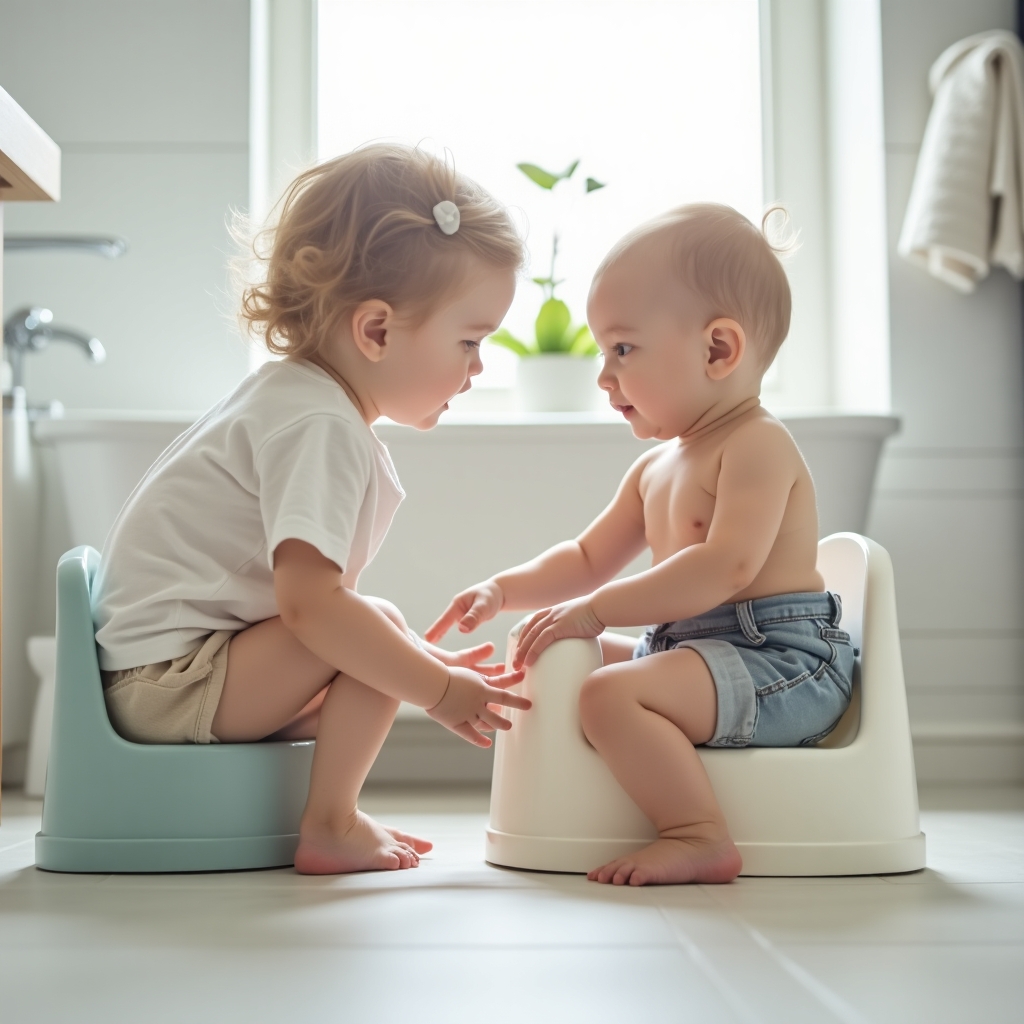
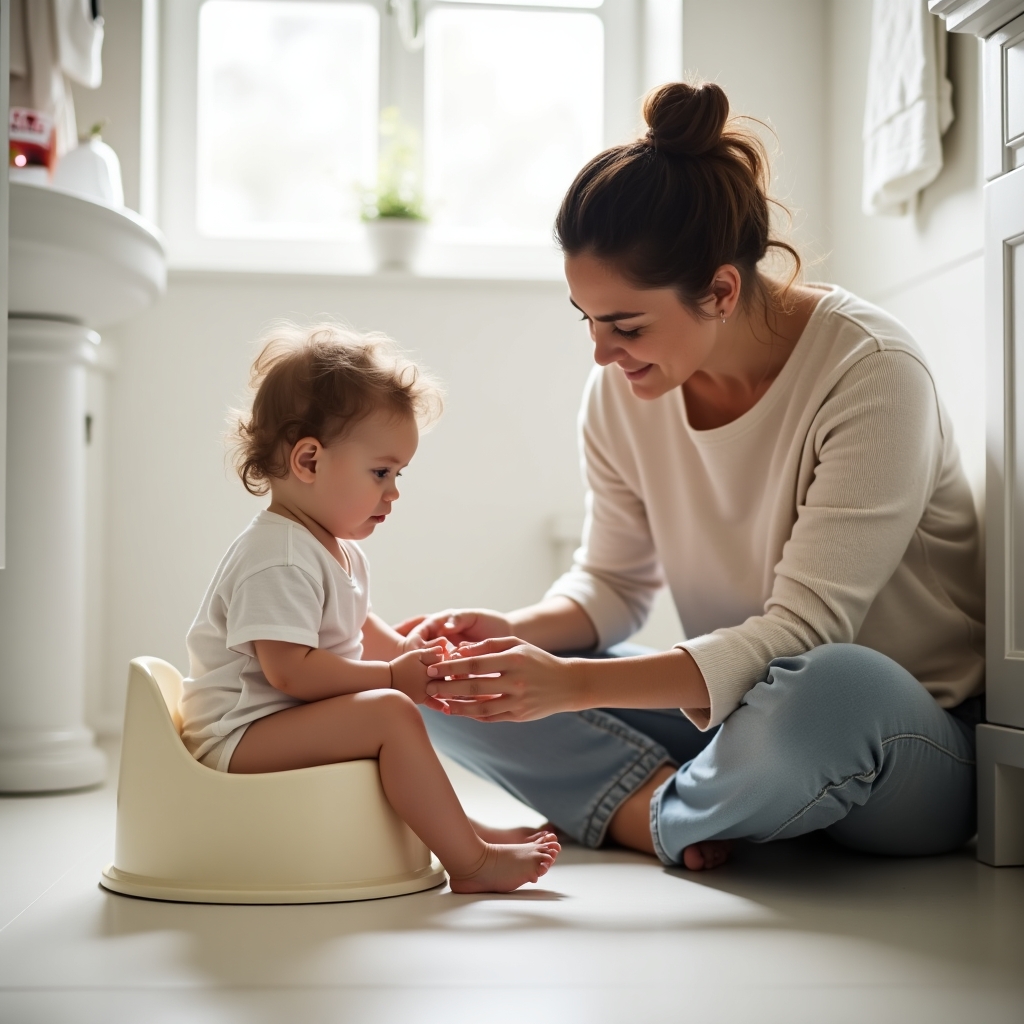
A small potty on the ground eliminates falling fear, flush fear, and much of the overwhelm. Start here if the big toilet is too scary.
Address Specific Fears
**Fear of falling:** - Child-size potty chair - Potty seat insert that makes the opening smaller - Let them hold onto you - Stool for feet (stability helps)
**Fear of flushing:** - Don't flush while they're sitting - Let them leave before you flush - Let them flush—control reduces fear - Practice flushing with just toilet paper first
**Fear of "losing" poop:** - Talk about what poop is and where it goes - Say goodbye to the poop ("Bye bye poop! See you later!") - Read books about this (Everyone Poops, etc.)
**Fear of public toilets:** - Cover the sensor on auto-flush toilets (Post-it notes work) - Warn them about hand dryers - Bring familiar supplies - Let them use single-stall family restrooms when available
Gradual Exposure
Don't force them onto the scary toilet. Take tiny steps: 1. Just go into the bathroom together 2. Look at the potty/toilet 3. Touch it 4. Sit on it clothed 5. Sit on it without diaper 6. Sit on potty chair instead of big toilet 7. Use the toilet (eventually)
Move at their pace.
Use Play
Play is how kids process fears: - Dolls or stuffed animals using the potty - Potty training books - Making up stories about brave kids using the toilet - Let them be the "teacher" showing their toys how it's done
Create Comfort
Make the bathroom less scary: - Warm the seat (cold is startling) - Good lighting - Their own special potty seat - Decorations or stickers they choose - Music or a book to distract
Don't Force
Forcing a scared child onto the toilet makes fear worse, not better. Trauma sticks. Patience is faster in the long run.
Validate and Encourage
"I know the flush is loud and that's scary. You're being so brave. We're going to figure this out together."
When Fear Is Extreme
Some fears are more than typical hesitation: - Complete refusal to enter the bathroom - Panic attacks or extreme distress - Withholding poop for days - Fear that isn't improving at all
This may indicate an anxiety issue that could benefit from professional support. A child therapist can help with specific fears.
The Timeline
Fear-based potty training takes longer. Accept this. Pushing through fear creates trauma; patience resolves it.
It may take weeks or months of gradual exposure and comfort-building before they're ready. That's okay. They will get there.
Remember
Your child isn't being difficult. They're scared. Fear is not a choice. Your job is to help them feel safe enough to try.
With patience, understanding, and gradual exposure, most potty training fears resolve. And when they finally do it—that triumph is extra sweet.