Calming down
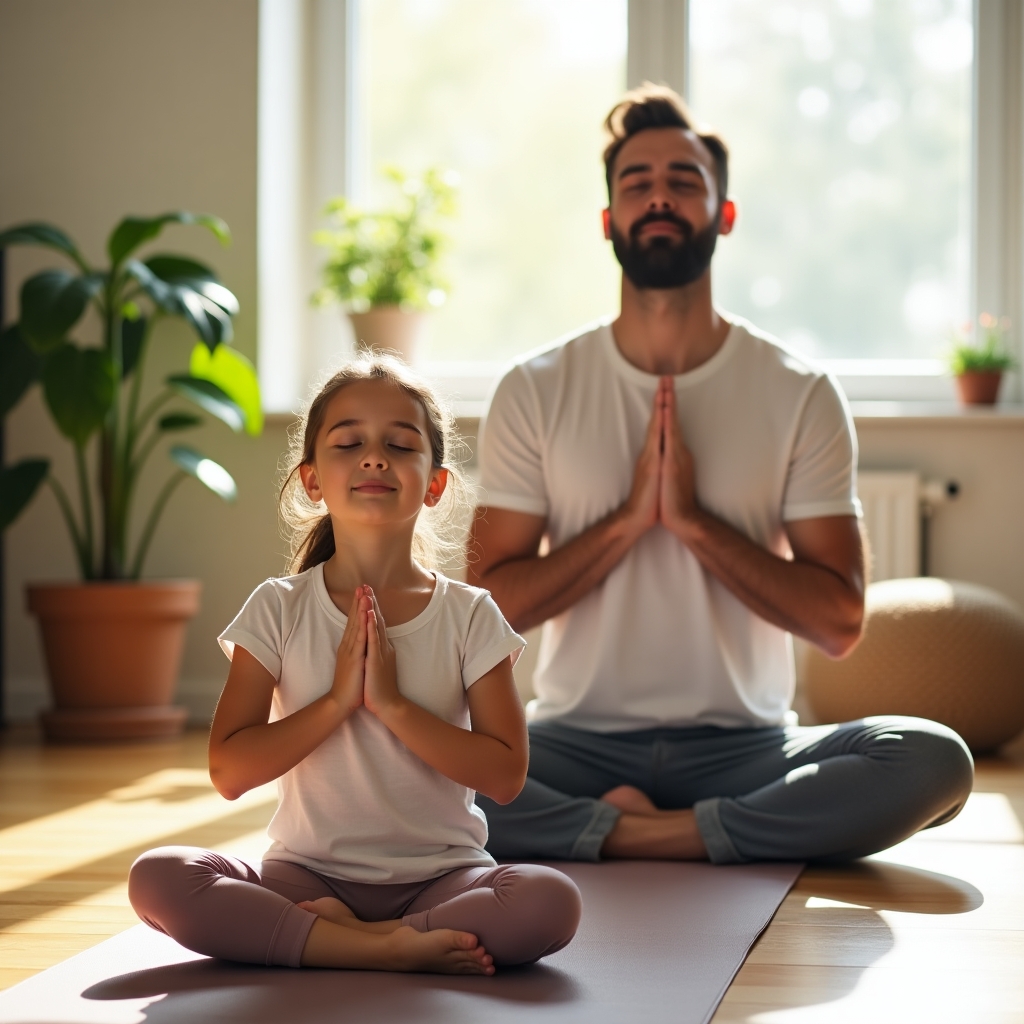
Breathing, counting, self-soothing techniques
You've tried counting to ten. You've tried deep breaths. You've tried the "calm down corner" that worked exactly once. When kids are dysregulated, logic doesn't reach them - and the strategies that work on paper often fail in the moment. There are better ways in.
What to Know
Here's the hard truth about calming strategies: they don't work when kids are already flooded. Deep breaths, counting, squeezing a stress ball — these require the thinking brain, which goes offline during big emotions. That's why the techniques that sound perfect in parenting books fail in the moment.
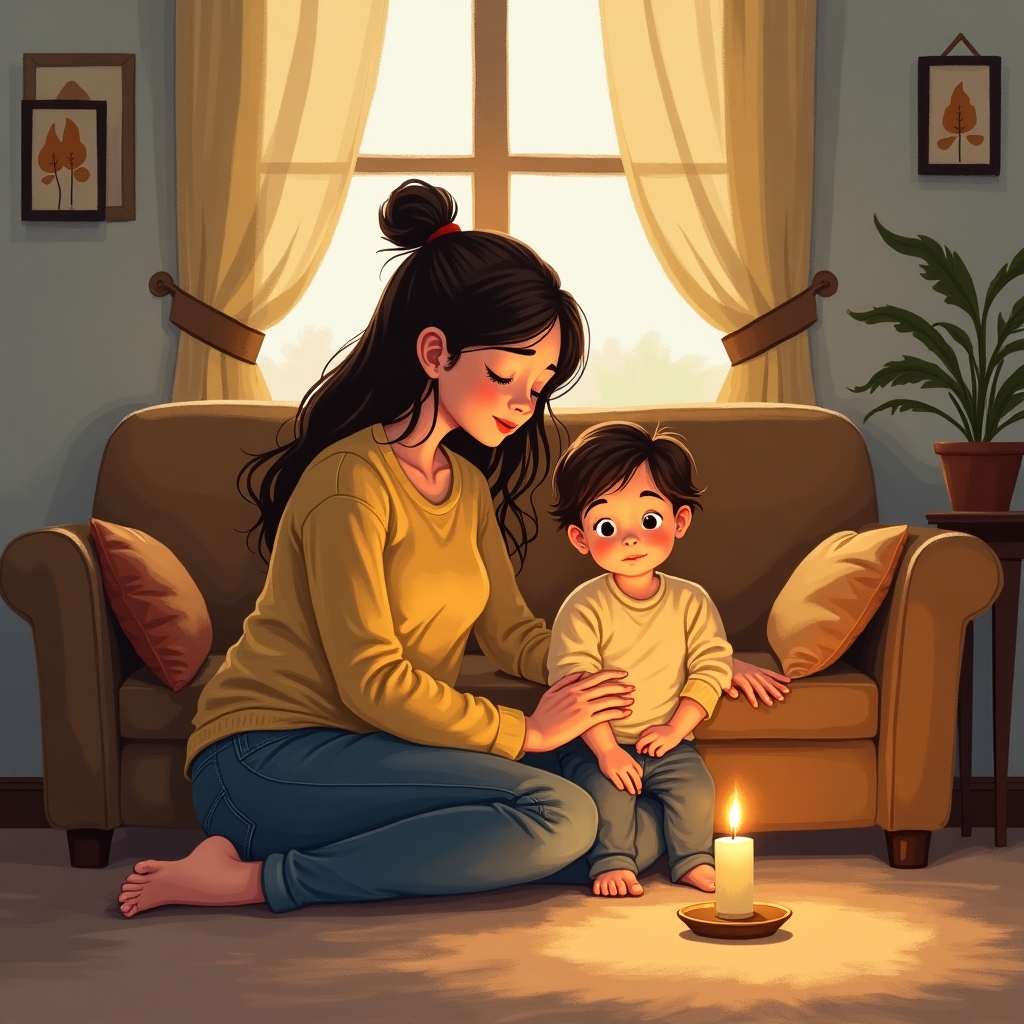
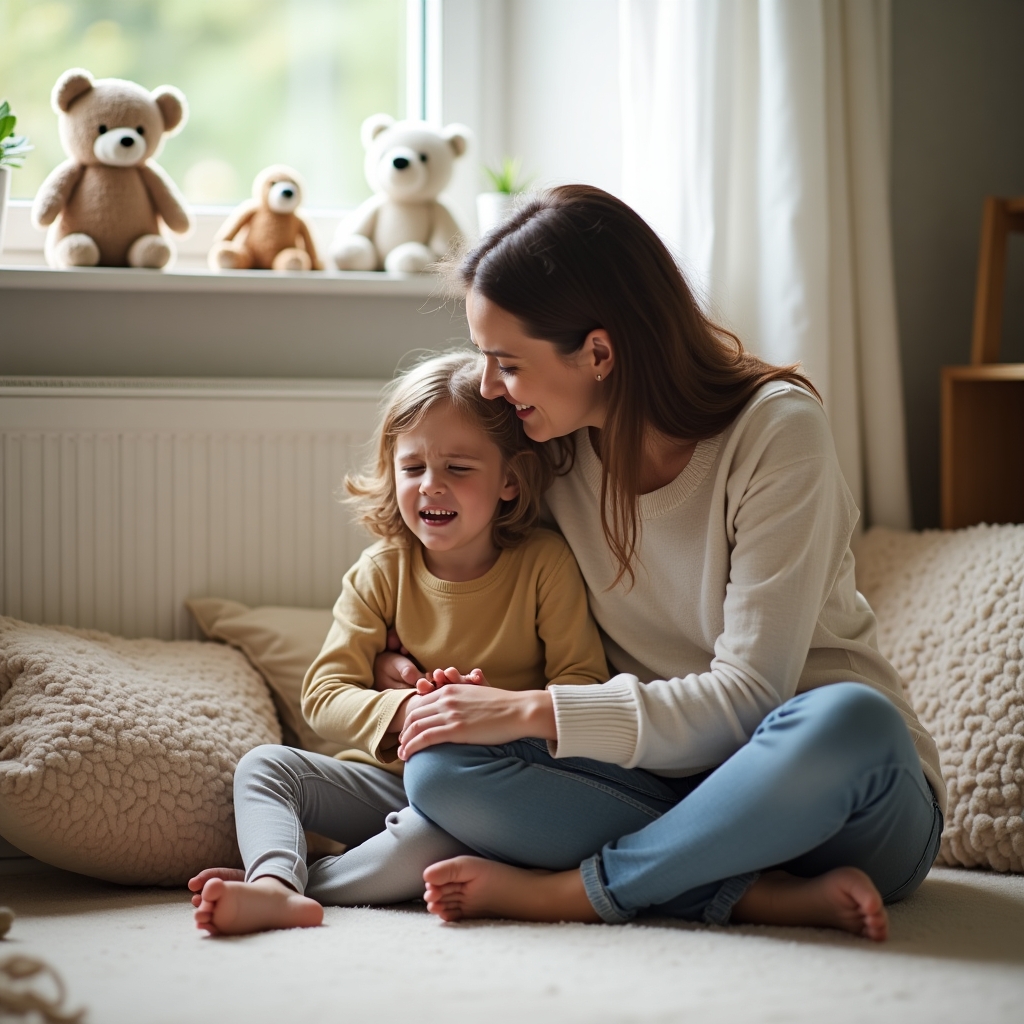
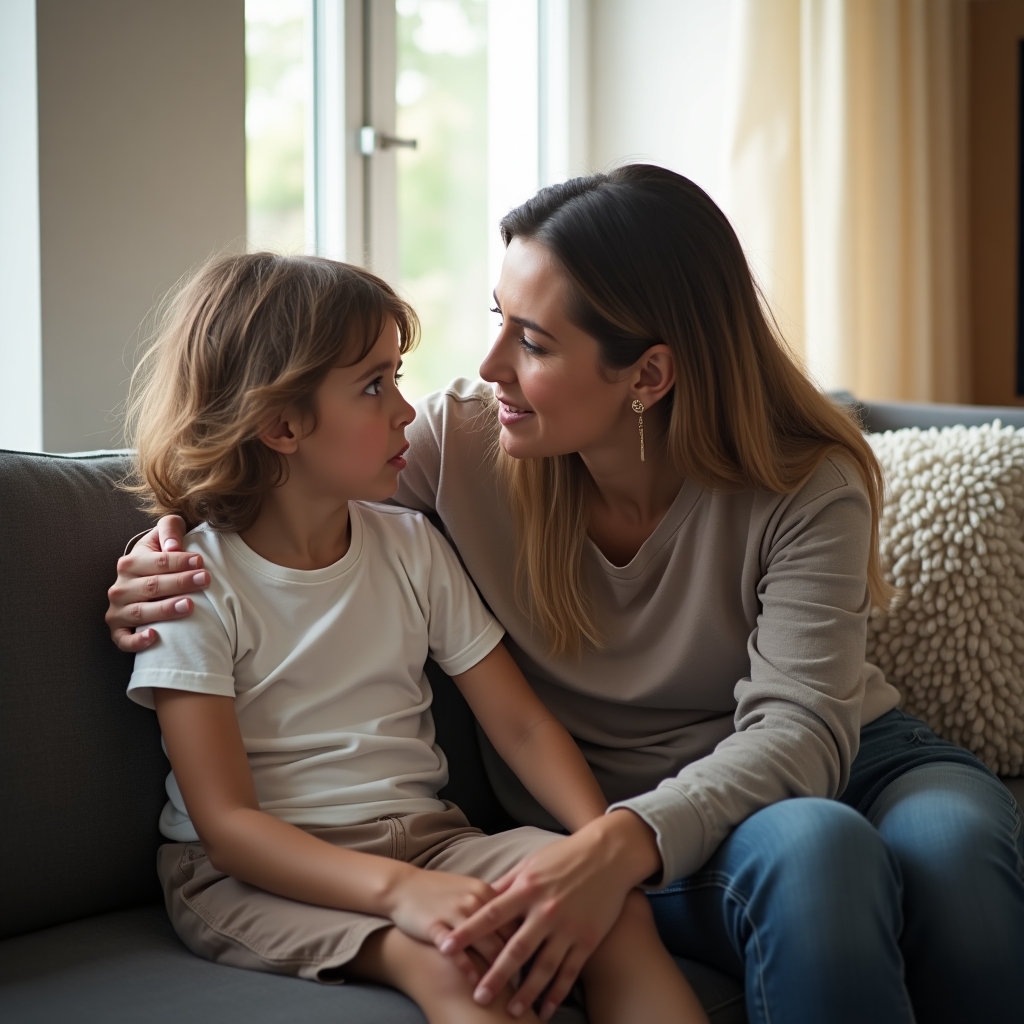
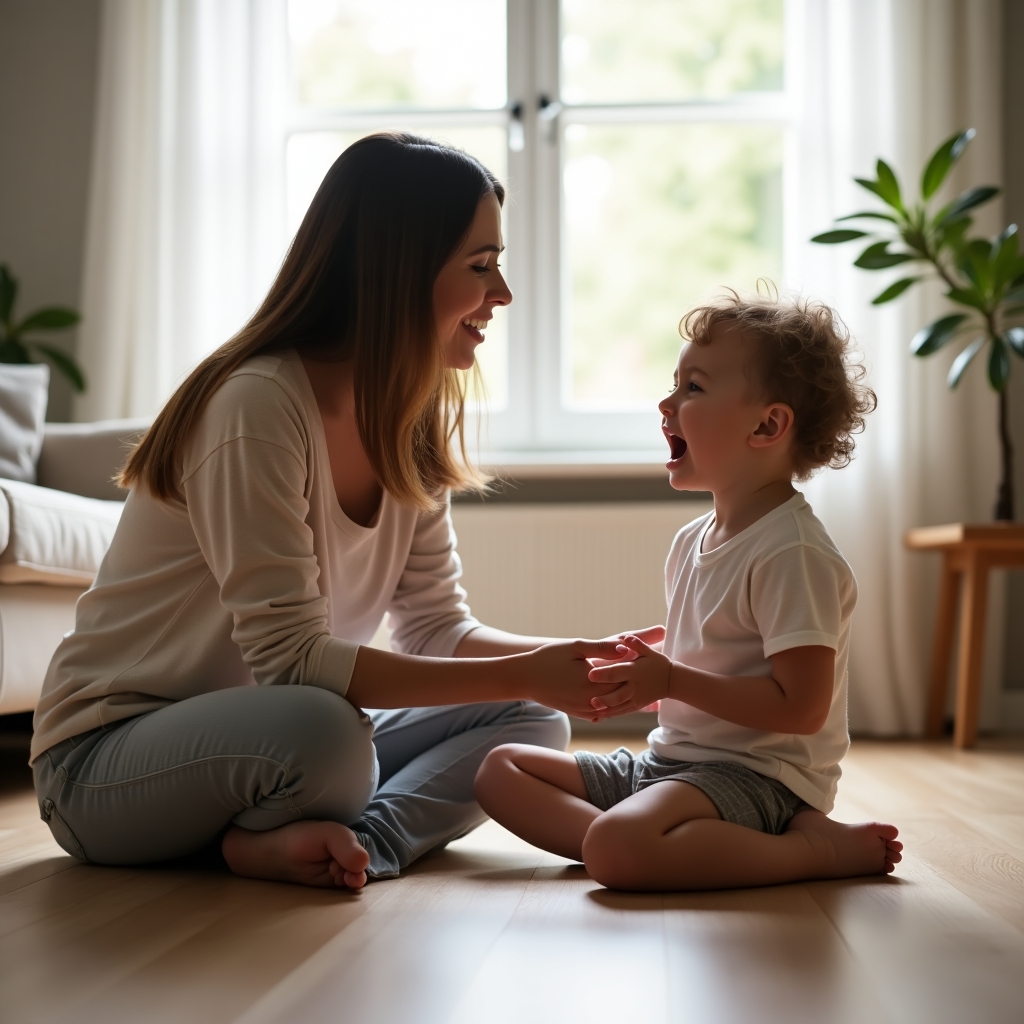
Calming skills have to be taught when kids are calm and practiced so often they become automatic. Even then, most young children can't self-regulate without help. They need co-regulation first — your calm nervous system helping to settle theirs. This isn't coddling. It's how regulation develops. Kids borrow your calm until they build their own.
The goal isn't a child who never gets dysregulated. It's a child who recovers more quickly over time, with decreasing need for your help.
Signs to Watch
- •Takes a very long time to calm down after getting upset
- •Escalates quickly from minor frustration to full meltdown
- •Can't use calming strategies when upset, even ones they know
- •Needs significant adult help to recover
- •Seems to "flip a switch" from fine to not fine
- •Gets dysregulated again easily once calm
Stories



Articles








Activities & Worksheets
Activities coming soon
Downloadable activities and worksheets for this topic.