When Sibling Fighting Gets Physical: How to Respond to Hitting, Pushing, and Aggression
What to do when conflict turns violent—and how to prevent it.
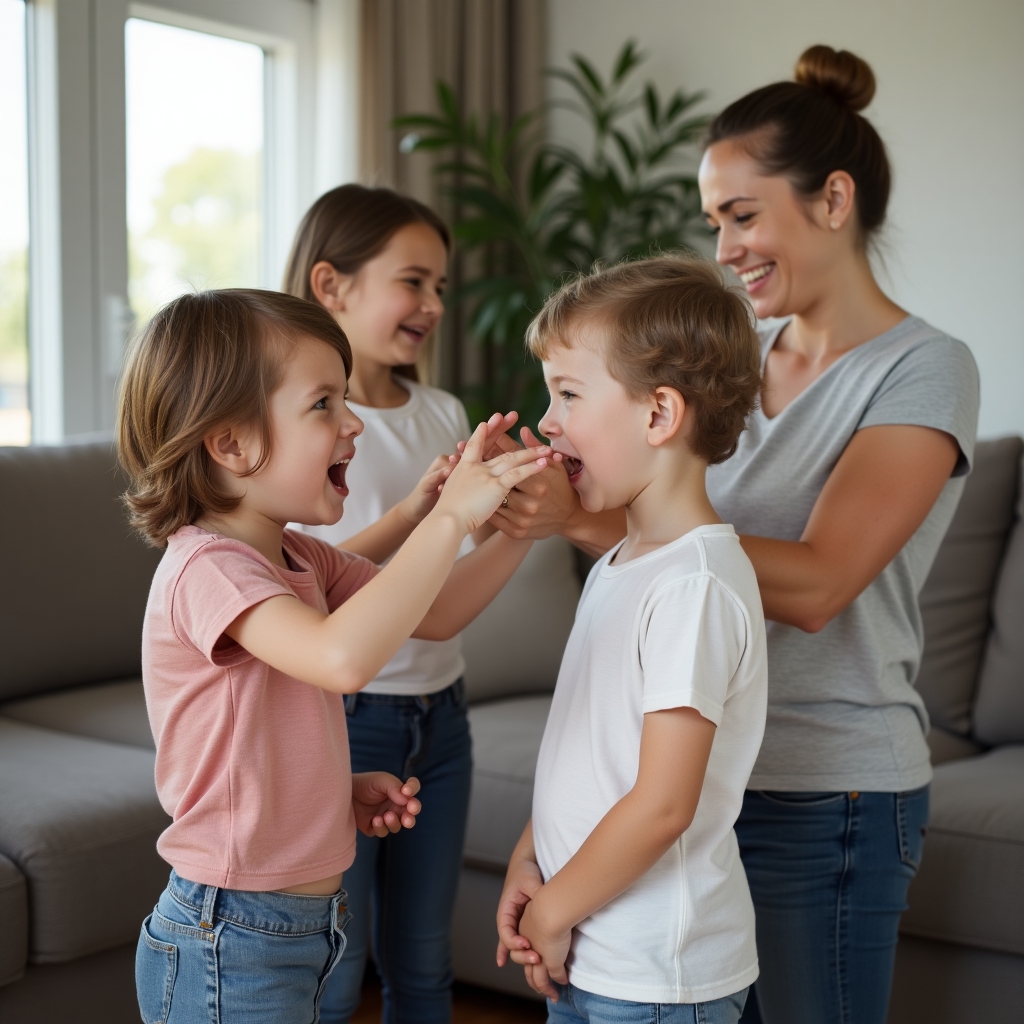
Bickering is one thing. Hitting, pushing, and hurting is another. When sibling conflict gets physical, parents need to intervene. Here's how.
Why Siblings Get Physical
They're Dysregulated
Physical aggression usually means a child has moved beyond their window of tolerance. They're not thinking—they're reacting. The hitting is a sign of overwhelm, not calculated violence.
They Don't Have Words
Younger children especially may not have the language to express frustration. Hitting is faster than talking.
It Works
If physical aggression gets results (the sibling backs off, gives up the toy), it's reinforced. Even if there's a consequence, the immediate payoff can be compelling.
They're Copying
Children who see physical aggression—in media, at school, or at home—are more likely to use it.
There's an Underlying Issue
Persistent aggression can signal stress, anxiety, sensory issues, or developmental concerns. The sibling conflict may be a symptom, not the cause.
In the Moment: How to Respond
Prioritize Safety
Separate the children immediately if aggression is ongoing. Don't worry about who started it. Just stop it.
Stay Calm
Your escalation escalates them. Take a breath. You can be firm without being angry.
Use Few Words
"Stop. We don't hit. Come with me." Long explanations don't register when a child is dysregulated.
Attend to the Hurt Child First
Without making a dramatic show of it, check on the child who was hurt. This communicates that hurting others doesn't get attention—being hurt does.
Separate for Regulation
Both children may need time and space to calm down before any conversation. "You need to be in separate rooms right now. I'll come talk to you each in a few minutes."
Don't Demand Immediate Apologies
A forced apology while angry teaches nothing. Wait until everyone's calm for genuine repair.
After Everyone's Calm
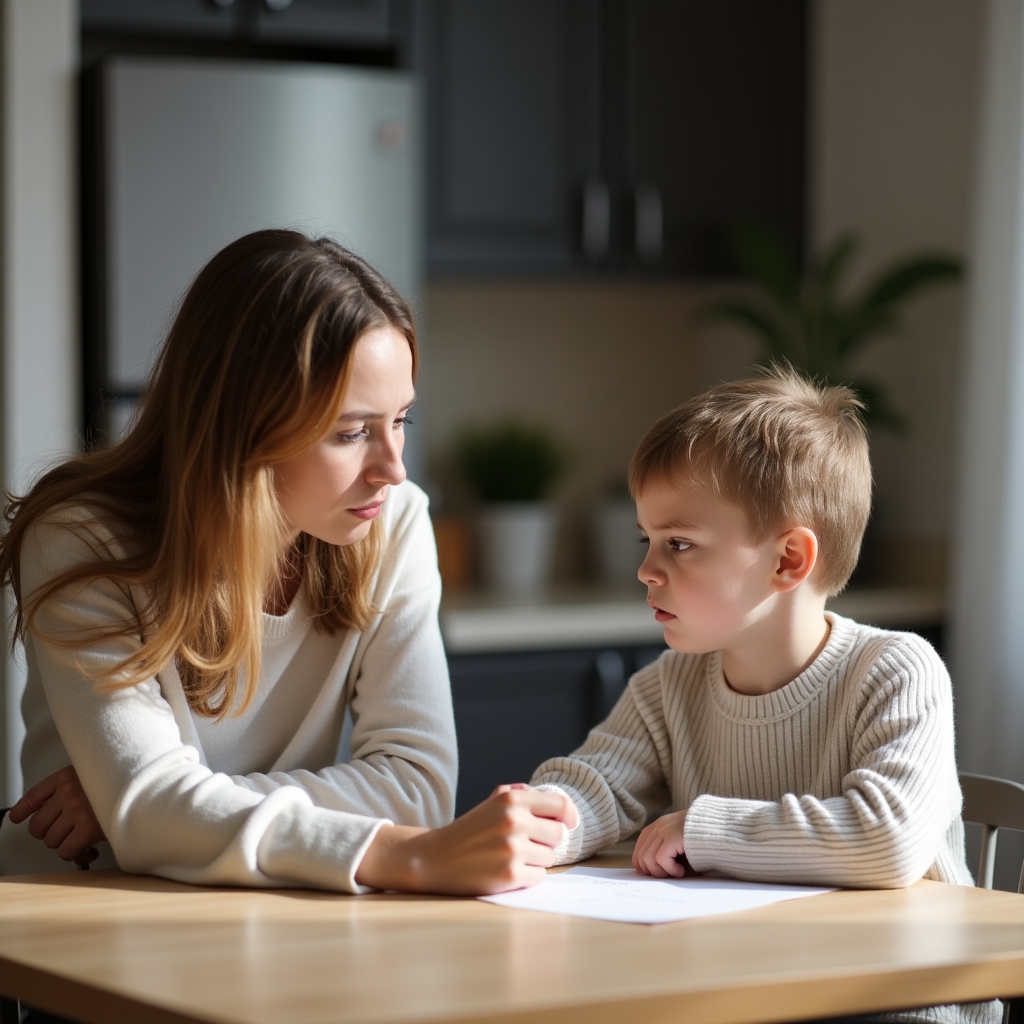
Talk to Each Child Separately
Get their perspective. This isn't about determining fault—it's about understanding what happened.
Name the Feelings and the Limits
"I can see you were really angry. You felt like Max took your toy. And hitting isn't okay, even when you're that angry."
Problem-Solve
"What could you do next time instead of hitting?" Help them identify alternatives: walk away, use words, get an adult.
Facilitate Repair
If both children are ready, bring them together. The one who hurt can acknowledge it: "I'm sorry I hit you. I was really mad. Are you okay?"
Keep it simple and genuine.
Consider Consequences If Needed
Natural consequence: The hurt child doesn't want to play right now. Logical consequence: Loss of the disputed toy, supervised play for a while, making amends.
Consequences should be related to the behavior and proportional—not delivered in anger.
Prevention Strategies
Teach Emotional Vocabulary
Children who can say "I'm frustrated" are less likely to show it through hitting. Practice naming feelings during calm times.
Coach Conflict Resolution Skills
Role-play scenarios: "What would you do if Jake took your toy?" Practice the words and strategies when everyone's calm.
Catch Escalation Early
Learn your children's warning signs. If you see tension building, intervene before it gets physical: "It looks like things are getting heated. Let's take a break."
Reduce Competition
More shared resources, less scarcity. If two kids always fight over one toy, consider duplicates or taking the toy out of rotation temporarily.
Ensure Each Child Gets Needs Met
Kids who feel secure and have their needs met fight less. Check that each child is getting adequate sleep, food, individual attention, and downtime.
Model Nonviolence
How do adults in your home handle frustration? Your response to anger is their template.
Monitor Media
Kids absorb what they see. If they're watching content with lots of physical aggression played for laughs, it normalizes hitting.
When to Be Concerned
Occasional physical conflict between siblings is normal. Be more concerned if:
- One child is consistently the aggressor (bullying) - Physical aggression is frequent and/or severe - A child shows no remorse - There's significant age or size differential being exploited - Strategies aren't working - You see aggression in other contexts (school, friends)
These patterns may warrant professional support.
Power Imbalances
When one sibling is significantly older, bigger, or more dominant, physical conflict is particularly concerning. The smaller child is at real risk, and the dynamic isn't just "siblings fighting."
In these cases: - Supervise more closely - Take aggression very seriously - Work individually with the aggressive child - Ensure the smaller child has safe spaces - Consider whether something is driving the aggression
The Long Game
You're teaching your children that physical aggression isn't an acceptable way to handle conflict. This is one of the most important lessons they'll learn.
It takes time, repetition, and patience. Keep teaching, keep coaching, and keep holding the line.