Overwhelm
Too much stimulation, shutting down, sensory overload
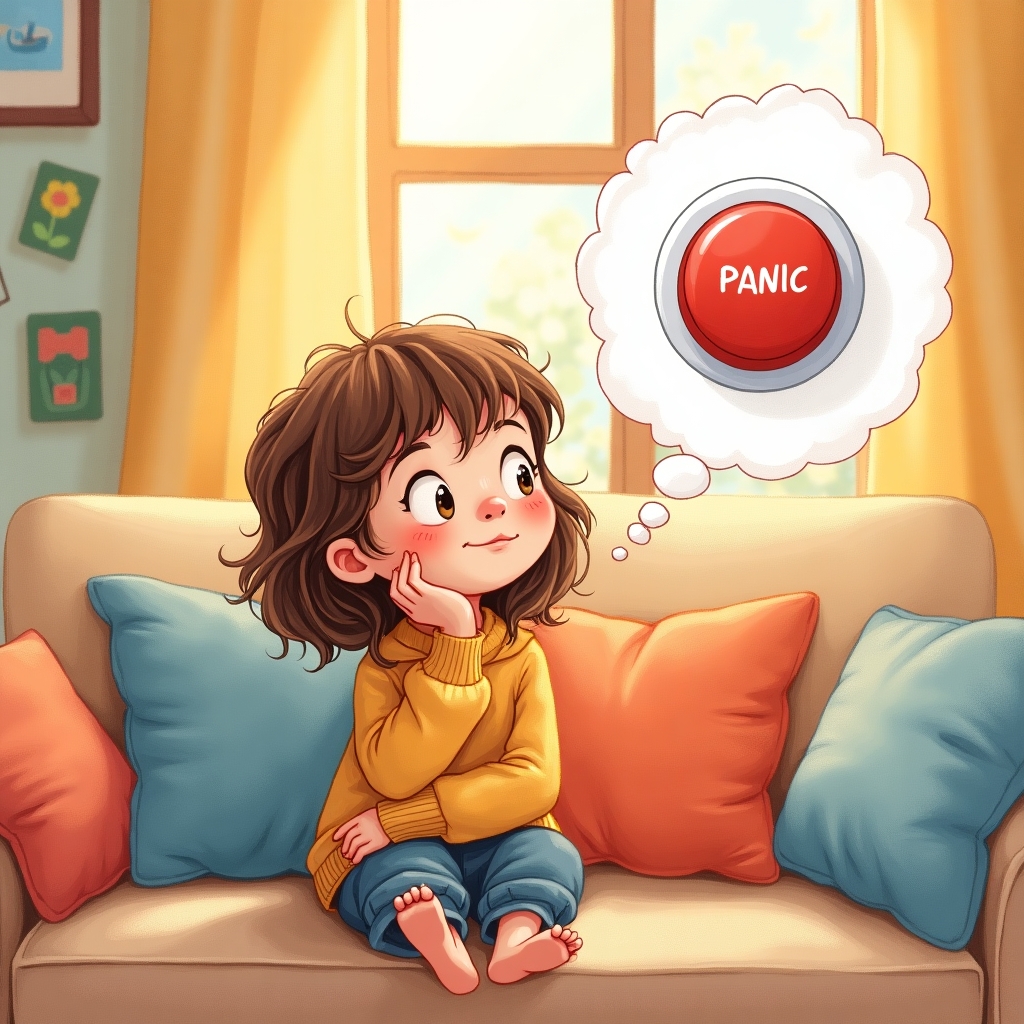
Too much noise. Too many choices. Too many feelings at once. When kids hit their limit, they don't politely excuse themselves - they fall apart. Overwhelm often looks like "bad behavior" but it's usually a sign that their system is maxed out and needs help resetting.
What to Know
Overwhelm happens when the demands on a child's system exceed their capacity to cope. Too much noise, too many transitions, too many feelings at once — the result is a child who looks like they're misbehaving but is actually maxed out. Meltdowns, shutdowns, and rigidity are often signs of overwhelm, not defiance.
Kids vary widely in how much they can handle before hitting their limit. Some are naturally more sensitive to stimulation — lights, sounds, textures, social demands. Others have days when their capacity is lower due to hunger, tiredness, or accumulated stress. Learning your child's signs of approaching overwhelm is more useful than trying to manage the meltdown once it arrives.
The goal isn't to protect kids from all overwhelm — that's impossible. It's to help them recognize their own signals and gradually build tolerance, while adjusting demands when you can see they're approaching their limit.
Signs to Watch
- •Covers ears, hides, or tries to escape busy environments
- •Melts down after high-stimulation activities (parties, errands, school)
- •Becomes rigid or controlling when overstimulated
- •Has a "delayed meltdown" after holding it together in public
- •Struggles with transitions even when warned
- •Seems more reactive late in the day or week
Stories












Articles









Activities & Worksheets
Activities coming soon
Downloadable activities and worksheets for this topic.