Teaching Your Child to Be a Good Friend
The skills behind lasting friendships.
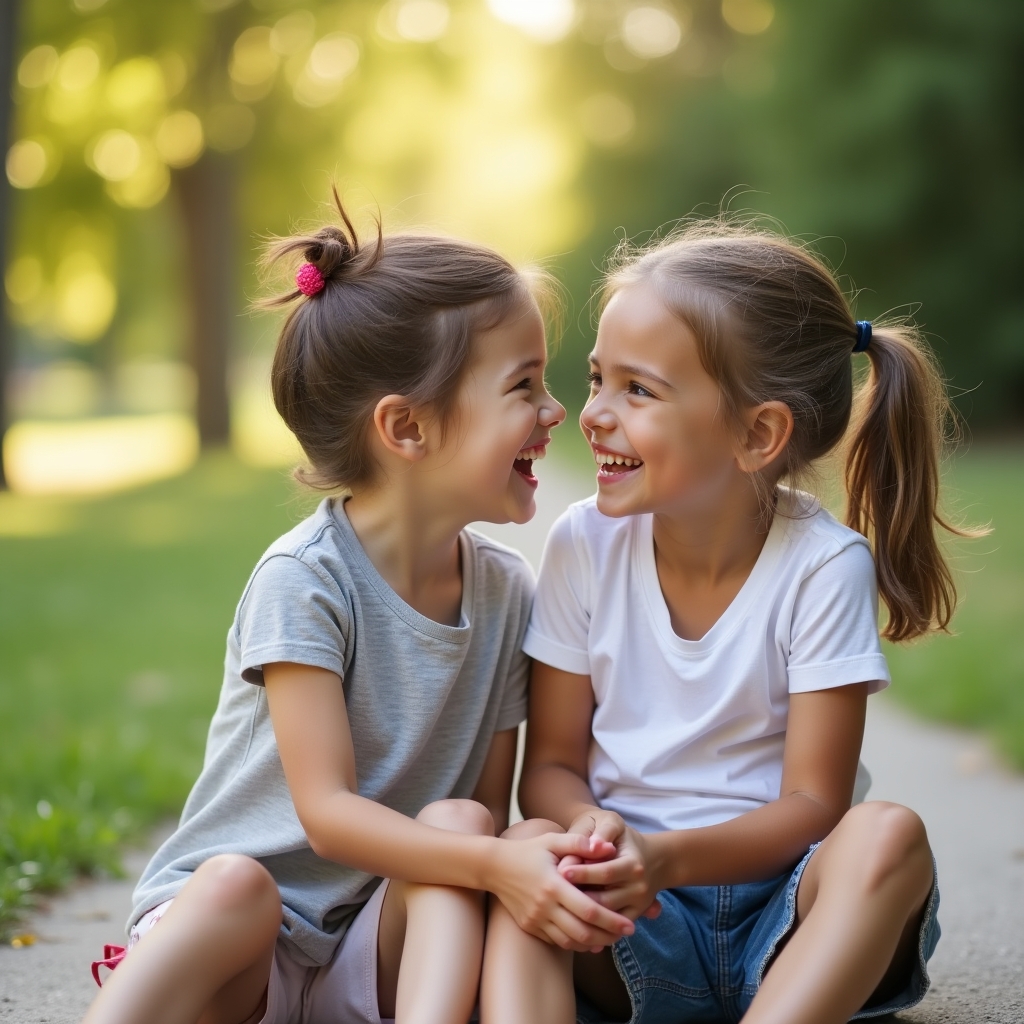
Having friends isn't just about finding people who like you—it's about being someone worth liking. Here's how to help your child become the kind of friend others want to have.
What Makes a Good Friend
Ask adults about their best friends, and you'll hear common themes: - They listen - They're loyal - They're there when you need them - They're fun to be around - They care about you
These qualities don't come automatically. They're learned.
Key Friendship Skills
Listening
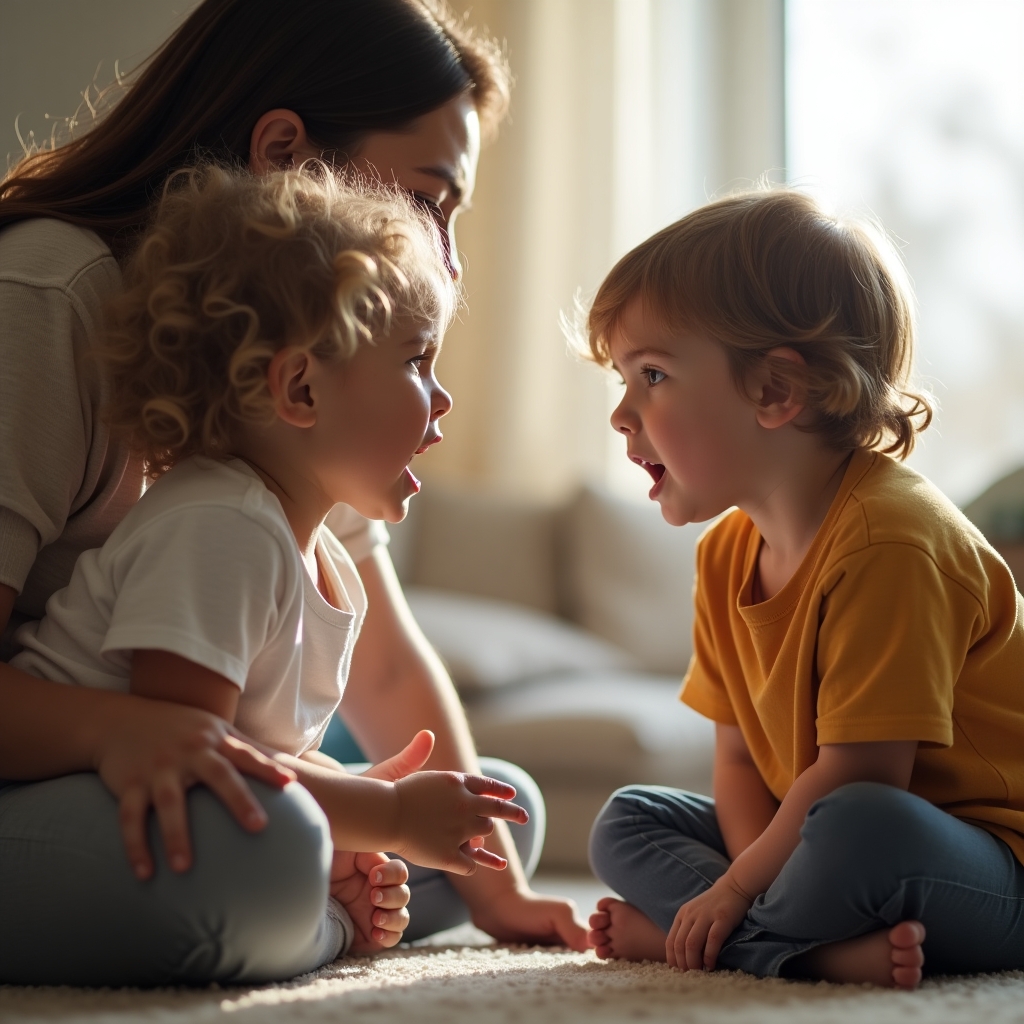
Good friends listen. Really listen—not just waiting for their turn to talk.
**Teach:** - Making eye contact when someone talks - Asking follow-up questions - Remembering what friends tell them - Not interrupting - Showing interest in others' interests
**Practice at home:** "Tell me about your day, and I'll really listen. Then let's switch." Model attentive listening.
Sharing and Turn-Taking
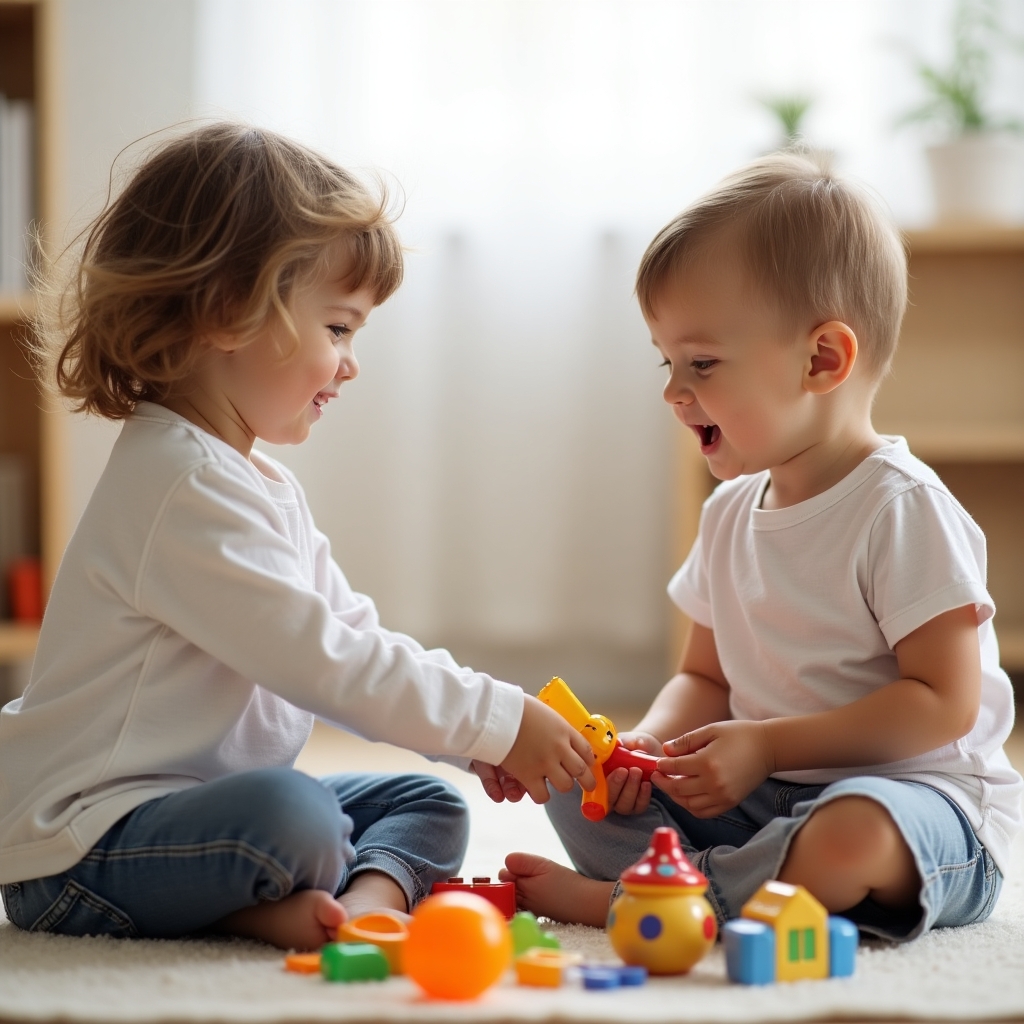
Friendships require give and take. Children who always want things their way struggle to keep friends.
**Teach:** - Taking turns choosing activities - Sharing toys and materials - Compromising when there's disagreement - Being a good winner and loser
**Practice at home:** Family games with gracious winning and losing. Taking turns choosing what to do.
Showing Kindness
Small acts of kindness build friendship: - Complimenting - Helping - Including others - Noticing when someone is sad
**Teach:** - How to give genuine compliments - Noticing when others need help - Including kids who are left out - Checking on friends who seem upset
**Practice at home:** Notice and name kindness. "You noticed your brother was sad and brought him his blanket. That was kind."
Handling Conflict
All friendships have conflict. The question is whether children can navigate it.
**Teach:** - Using words instead of actions - "I" statements: "I feel hurt when..." - Listening to the other person's perspective - Apologizing when wrong - Forgiving when apologized to - Knowing when to walk away
**Practice at home:** Coach through sibling conflict. Model repair in your own relationships.
Keeping Secrets (Appropriately)
Friends trust each other with information. Keeping confidences matters—unless safety is at risk.
**Teach:** - Don't share friends' private information - The difference between secrets to keep and secrets to tell (safety issues) - Being trustworthy
Being Reliable
Good friends follow through. If they say they'll do something, they do it.
**Teach:** - Keeping promises - Showing up when expected - Being consistent
**Model:** Follow through on your promises to them.
Having Fun
Friendships should be enjoyable. Children who are always negative, controlling, or dramatic can be exhausting.
**Teach:** - Going with the flow sometimes - Being positive - Finding joy in activities - Not always needing to be in charge
Age-Appropriate Expectations
Preschool (3-5)
- Parallel play is still normal - Sharing is hard - Friendships are activity-based ("She's my friend because we both like blocks") - Conflict resolution needs adult support
**Focus on:** Taking turns, using kind words, basic sharing.
Early Elementary (5-8)
- Friendships become more stable - Beginning to understand others' feelings - Can start resolving simple conflicts with coaching - Same-gender friendships often dominate
**Focus on:** Listening skills, empathy, basic conflict resolution.
Later Elementary (8-11)
- Friendships deepen - Loyalty becomes important - Peer conflict gets more complex - Cliques may emerge
**Focus on:** Navigating conflict, being inclusive, handling peer pressure, being a loyal friend.
Tweens (11-12)
- Friendships are central to identity - Drama increases - Online friendships emerge - Vulnerability and trust deepen
**Focus on:** Complex conflict resolution, appropriate boundaries, being a trustworthy friend, handling social pressure.
What Parents Can Do
Model Good Friendship
Let them see you: - Being a good friend - Handling conflict in friendships - Prioritizing relationships - Talking positively about friends
Talk About Friendships
Discuss their friendships: - "What do you like about Maya?" - "What makes a good friend?" - "How did you feel when she did that?"
Facilitate Friendships
Create opportunities: - Playdates - Activities with peers - Family friendships with kids their age
Coach Through Challenges
When friendship conflicts arise, coach them through: - What happened? - How did you feel? How did they feel? - What could you do?
Avoid Over-Involvement
Let them navigate some challenges independently. Your role is coach, not player.
When Friendship Is Hard
Some children struggle with friendship due to: - Social skill deficits - Anxiety - Neurodivergence - Past social trauma
These children may need extra support: social skills groups, therapy, or accommodations. Struggling socially isn't a character flaw—it's something that can be addressed with help.