ParentHarbor×
TherapistsSign in

Empathy & kindness

Understanding others' feelings, compassion

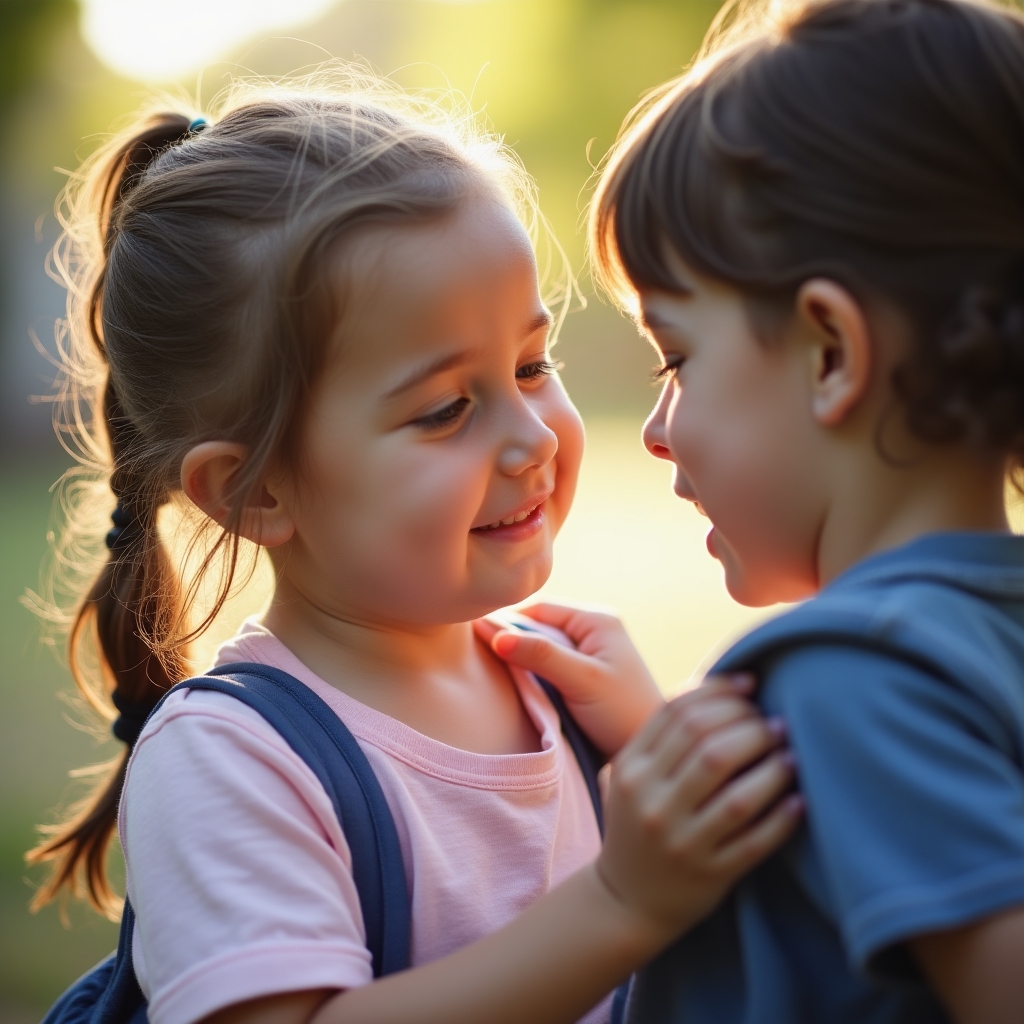
The moment they walked right past a crying friend. The comment that seemed shockingly unkind. Empathy develops slowly in kids, and what looks like coldness is usually just inexperience with reading and responding to others' feelings.

What to Know

Empathy develops slowly in children, and what looks like coldness is usually just inexperience. To feel empathy, kids need to recognize that others have feelings, understand what those feelings might be, and care enough to respond. Each of these is a separate skill that develops over time.

Young children are naturally egocentric — not selfish, but literally unable to consistently take others' perspectives. They may walk past a crying friend not because they don't care but because they don't notice or don't know what to do. Empathy grows through experience, modeling, and gentle guidance.

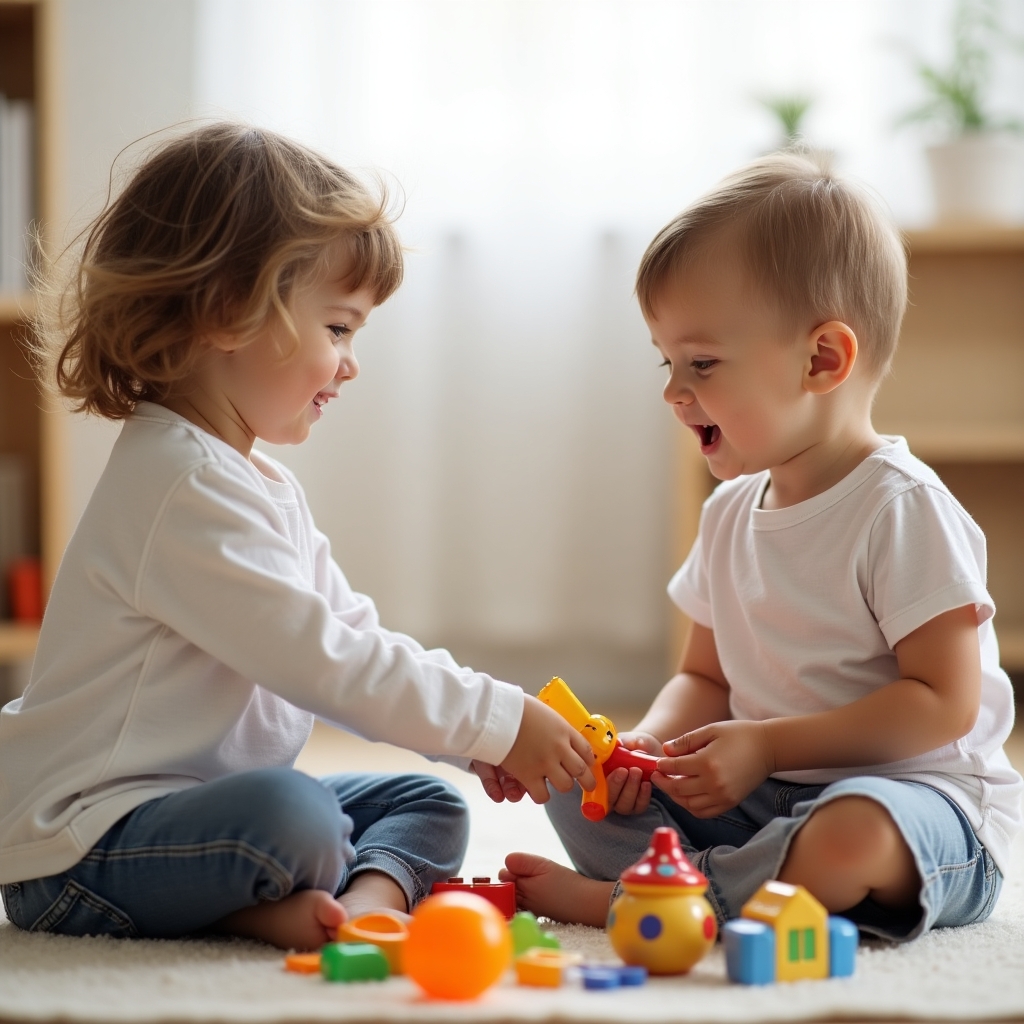
Forcing empathy ("Say you're sorry!" "How do you think she feels?") rarely builds the real skill. What works better: narrating emotions, modeling empathic responses, and giving kids language and strategies for responding to others' feelings.

Signs to Watch

  • Doesn't seem to notice when others are upset
  • Has difficulty understanding others' perspectives
  • Rarely shows concern for friends or family
  • Struggles to respond appropriately to others' emotions
  • Says hurtful things without realizing the impact
  • Shows empathy for some people but not others

Stories

Why Does Baby Lily Wear That Hat?

Why Does Baby Lily Wear That Hat?

A story for siblings who have questions about their baby brother or sister's cranial helmet.

Sorry's Not Enough (But It's a Start)

Sorry's Not Enough (But It's a Start)

Milo said something mean. He apologized. But sorry wasn't enough—he had to show up, day after day, and prove he meant it.

The Club of Kids Who Get It

The Club of Kids Who Get It

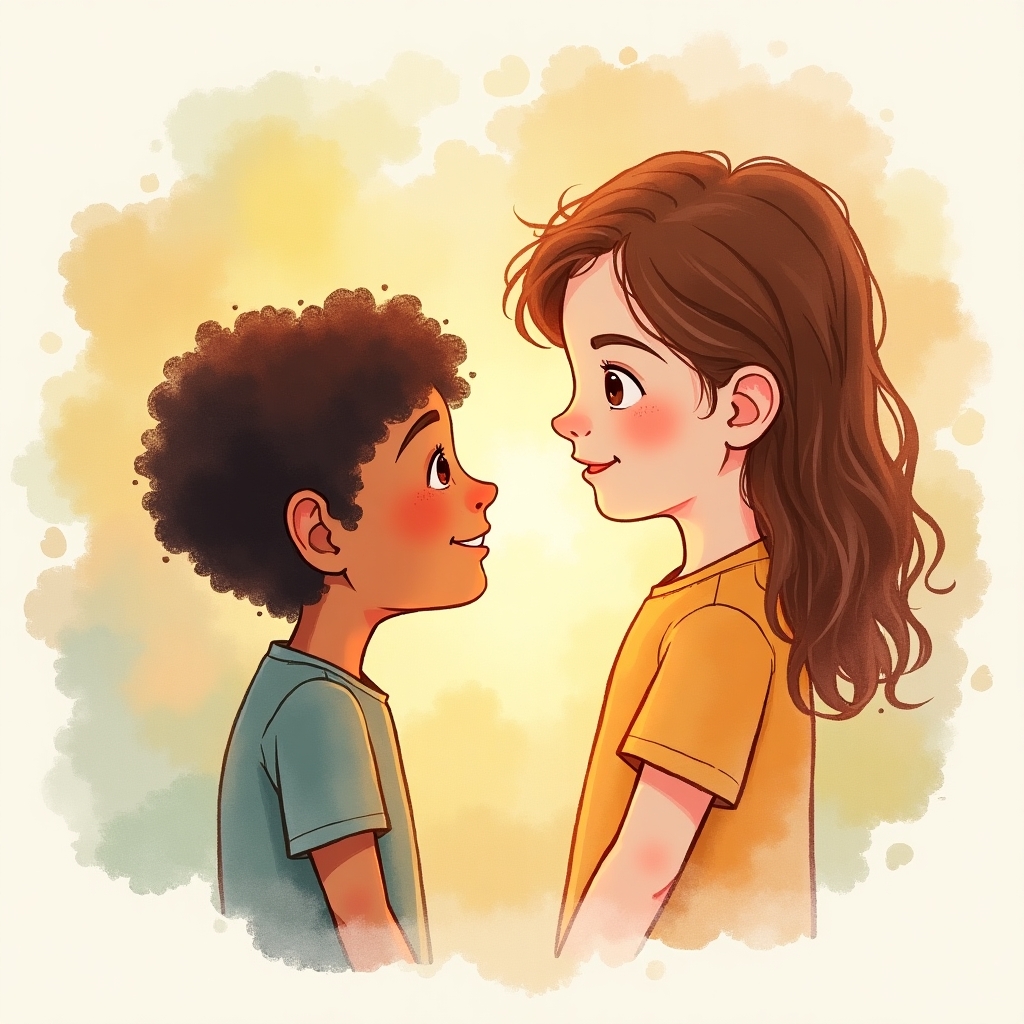
There's a club at school. No meetings, no sign-ups. It's the club of kids who get it—kids with divorced parents, big feelings, hard stuff. Marcus is a member. You might be too.

How Maya Got Her Brave Back

How Maya Got Her Brave Back

Maya used to be brave. Then something happened. By helping a younger kid feel brave, Maya found her own courage again—hidden inside theirs.

Why Did They Do That?

Why Did They Do That?

Someone bumped Ava on purpose. She was SO mad. Then she asked: why would someone do that? The answer didn't make it okay—but it made it make sense.

Strong People Cry

Strong People Cry

Firefighters cry when they're sad. Athletes cry when they're proud. Dads cry when they're happy. Even superheroes cry. Strong people feel all their feelings.

The Boy Who Only Frowned

The Boy Who Only Frowned

Marcus frowned. At breakfast, at school, at everything. He thought that was just who he was. Then someone smiled at him anyway—and something shifted.

The Girl Who Felt Everything

The Girl Who Felt Everything

Iris feels things bigger than other kids. Sad movies make her sob. Loud noises hurt. Joy feels like fireworks. She learns her big feelings are a gift—she just needs tools to hold them.

The Friend Who Helped Without Being Asked

The Friend Who Helped Without Being Asked

When Sam saw Maya struggling to carry her books, he didn't wait for her to ask. He just helped. That's what friends do—they notice.

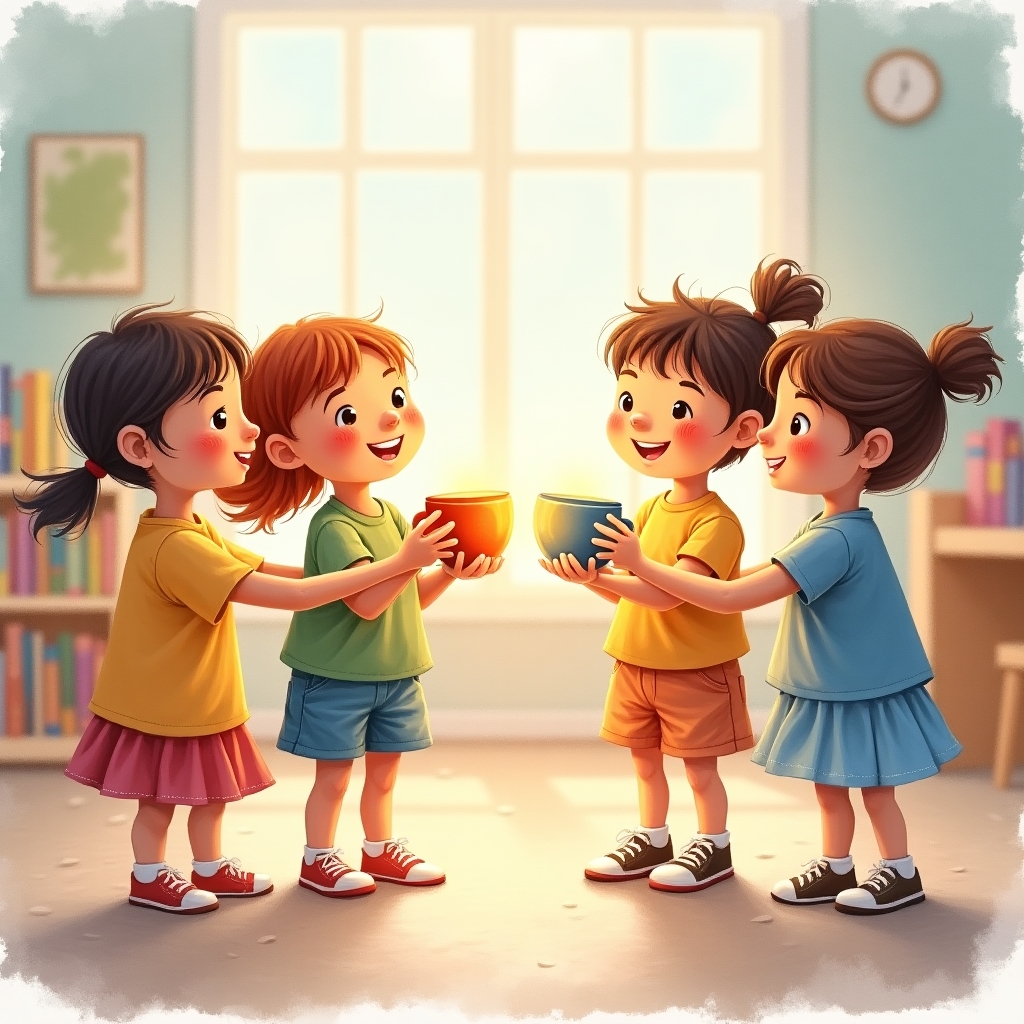
The Kindness Cup

The Kindness Cup

Everyone carries an invisible cup. Kind words fill it up. Mean words spill it out. When you fill someone else's cup, yours gets fuller too.

My Quiet Superpower

My Quiet Superpower

Not all superpowers are loud. Kai's superpower is noticing—who looks sad, who needs help, who got left out. Noticing is the first step to kindness.

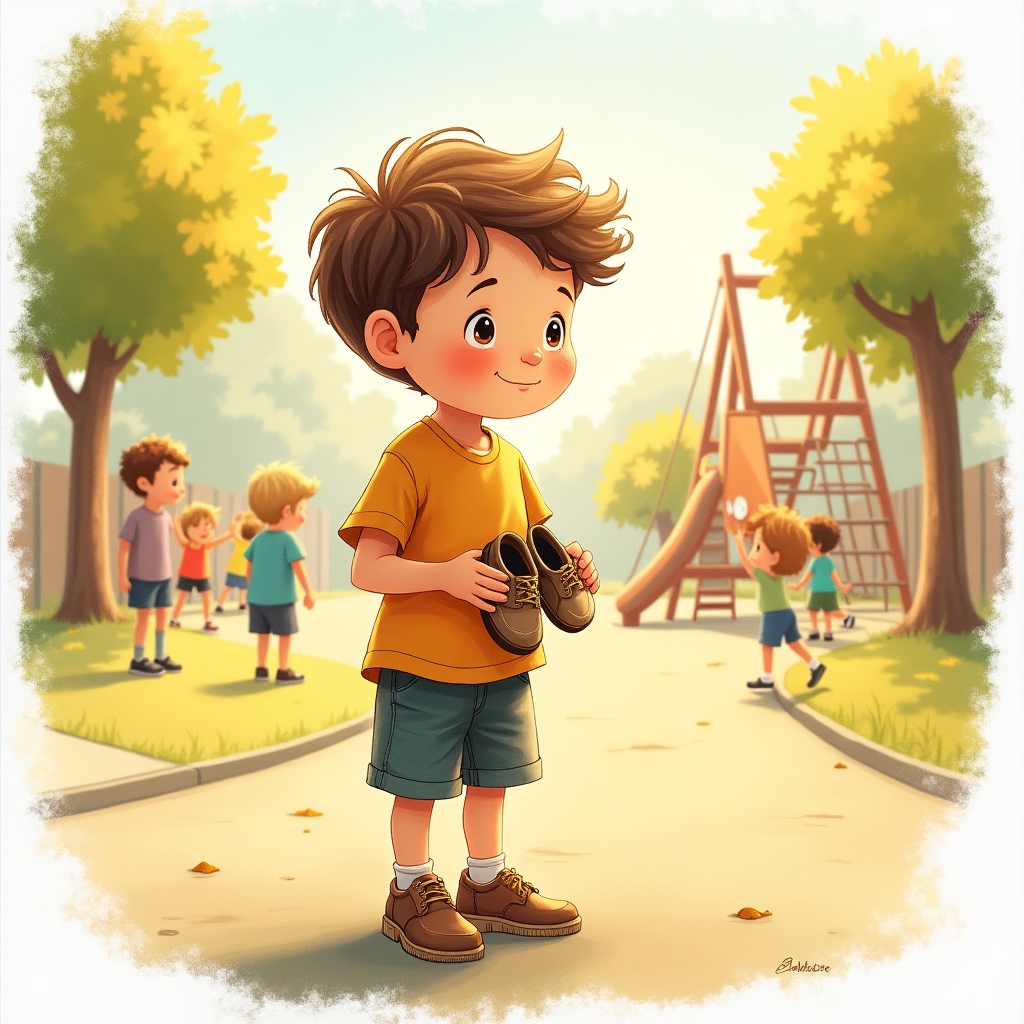
But I Really Want It

But I Really Want It

Jaylen wanted the cool sneakers SO BAD. Mom said no. It felt unfair. But when he saw a kid with broken shoes, Jaylen understood something about want and need.

What I Wish for You

What I Wish for You

I wish you more hugs than hurts. More try-agains than give-ups. More 'I can' than 'I can't.' These are the things I wish for you—every single day.

Through the Storm for You

Through the Storm for You

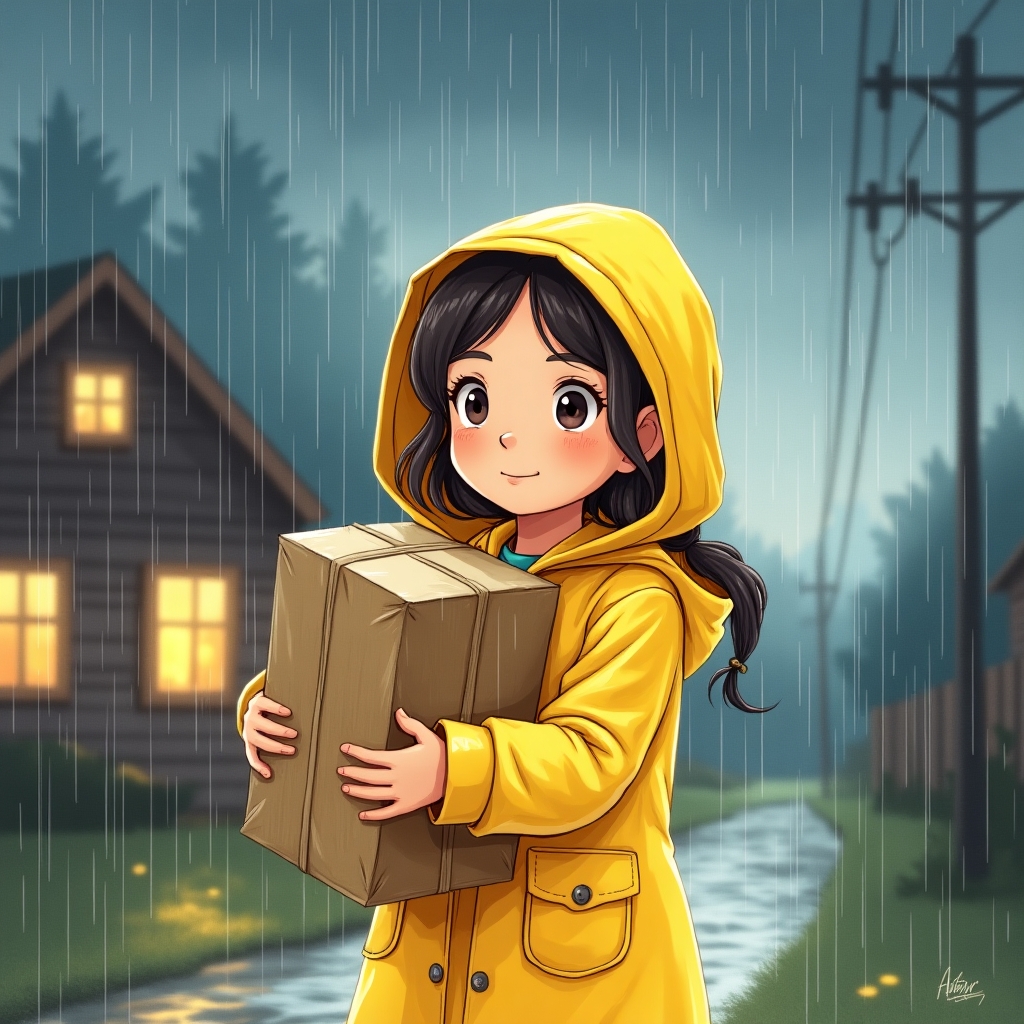
Mom was too sick to deliver the package. So Lily went—through wind, through rain, through scary and hard. She did it not because it was easy, but because she loved her mom.

Even Grumps Have Feelings

Even Grumps Have Feelings

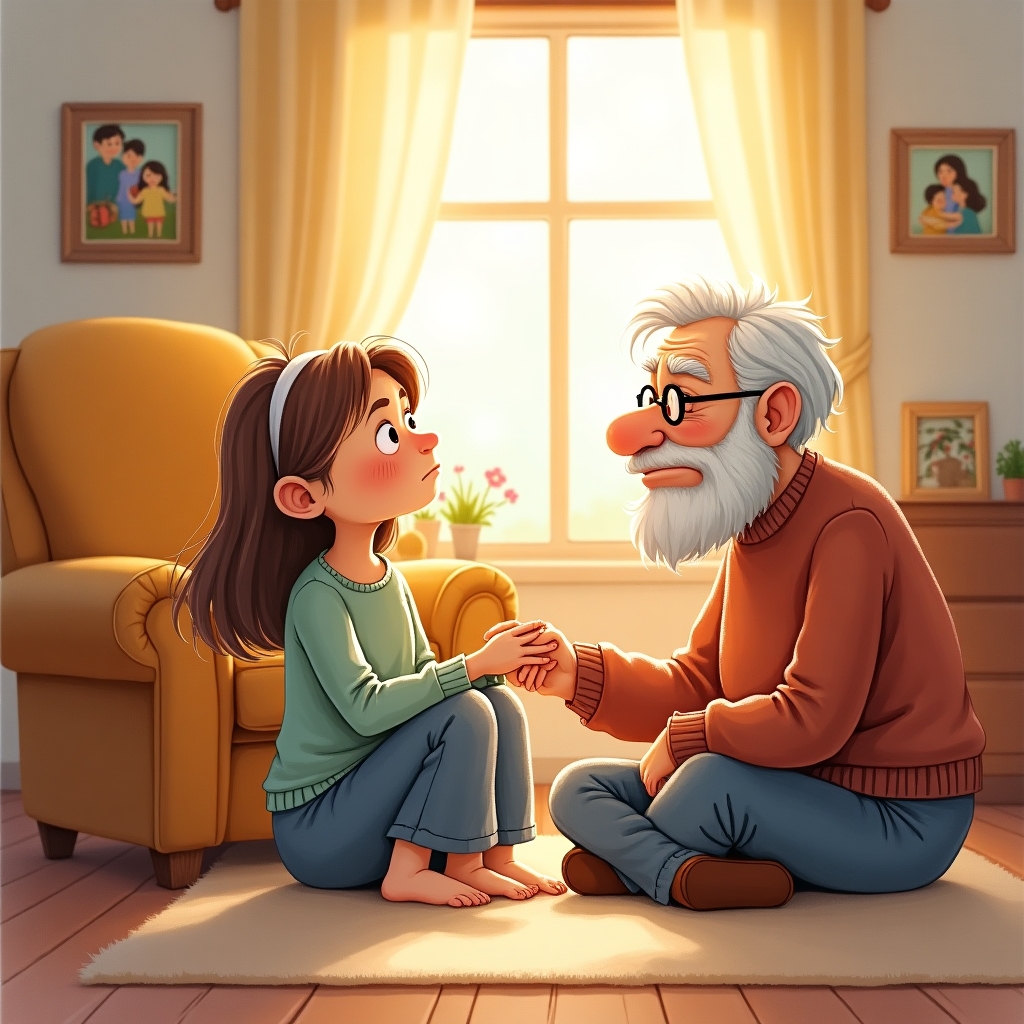
Grandpa seems grumpy. But Mia learns that grumpy is just tired, or worried, or missing Grandma. Everyone has feelings—even people who don't show them.

Faces Tell Stories

Faces Tell Stories

Look at that face—is it happy or pretending? Sad or just tired? Faces tell stories if you look closely. What story is YOUR face telling right now?

I Was Here First

I Was Here First

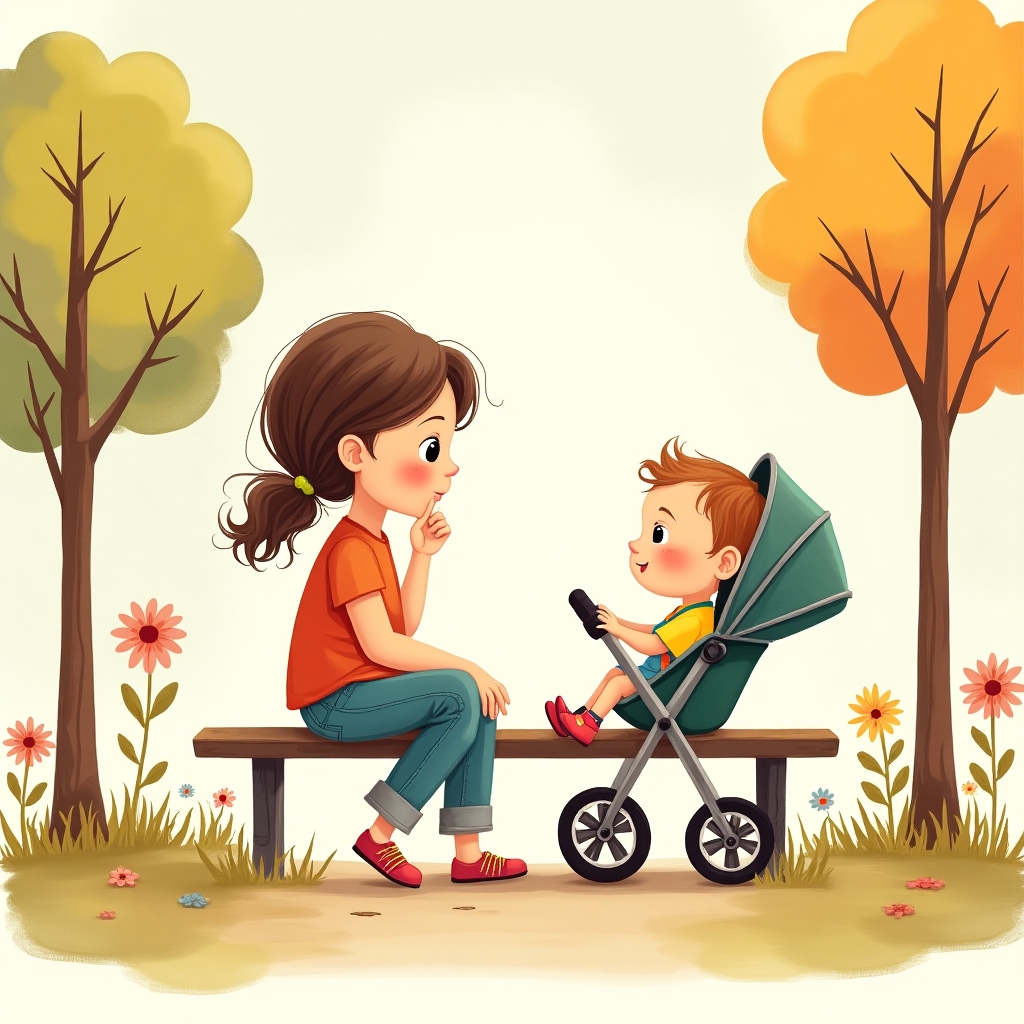
Before the baby came, everything was Tessa's. Now the baby gets all the attention. Tessa decides she hates him—until someone else says something mean about him.

More Than You Know

More Than You Know

"I love you THIS much," said Zoe, stretching her arms wide. "I love you MORE," said Dad. "To the moon and back?" "To the moon, around the stars, and all the way home."

The Worry That Followed Me Home

The Worry That Followed Me Home

A small worry follows Ben home from school. The more he ignores it, the bigger it grows. When he finally tells Dad about it, the worry shrinks—small enough to carry.

The Pocket Hug

The Pocket Hug

Before her first day of school, Mama gives Lily a special hug she can put in her pocket and squeeze whenever she misses home.

Articles

How to Teach Your Child to Apologize (And Mean It)

How to Teach Your Child to Apologize (And Mean It)

Moving beyond forced "sorry" to genuine repair.

Teaching Your Child to Be a Good Friend

Teaching Your Child to Be a Good Friend

The skills behind lasting friendships.

Teaching Empathy: Raising Kids Who Care About Others

Teaching Empathy: Raising Kids Who Care About Others

How to nurture genuine compassion in your child.

Teaching Kids to Share: Age-Appropriate Expectations and Strategies

Teaching Kids to Share: Age-Appropriate Expectations and Strategies

What's realistic at each age, and how to actually build sharing skills.

Building Sibling Friendship: Activities That Bring Kids Together

Building Sibling Friendship: Activities That Bring Kids Together

Creating opportunities for positive sibling interaction and connection.

Activities & Worksheets

Activities coming soon

Downloadable activities and worksheets for this topic.

Related Topics

Sharing & turnsMaking friendsBeing a good friendSibling relationships

How can we help?