Building Sibling Friendship: Activities That Bring Kids Together
Creating opportunities for positive sibling interaction and connection.
Siblings spend thousands of hours together—might as well make some of them pleasant. Here are ways to foster genuine friendship, not just coexistence.
Why Positive Sibling Time Matters
Sibling relationships are often the longest relationships of our lives. Children who have positive sibling experiences:
- Have better social skills - Report higher wellbeing as adults - Have built-in support during family challenges - Learn cooperation, negotiation, and empathy
You can't force siblings to like each other. But you can create conditions where connection can grow.
The Foundation: Reducing Conflict
Before building positive experiences, minimize the negatives:
- Ensure each child gets individual attention - Don't compare siblings - Avoid setting up competition - Give each child space and possessions that are their own - Address aggression and bullying immediately
When children don't feel like they're competing for resources, they have energy for connection.
Activities by Age Group
Toddler + Older Sibling (Ages 2-3 + 5+)
The challenge: They're at completely different developmental stages.
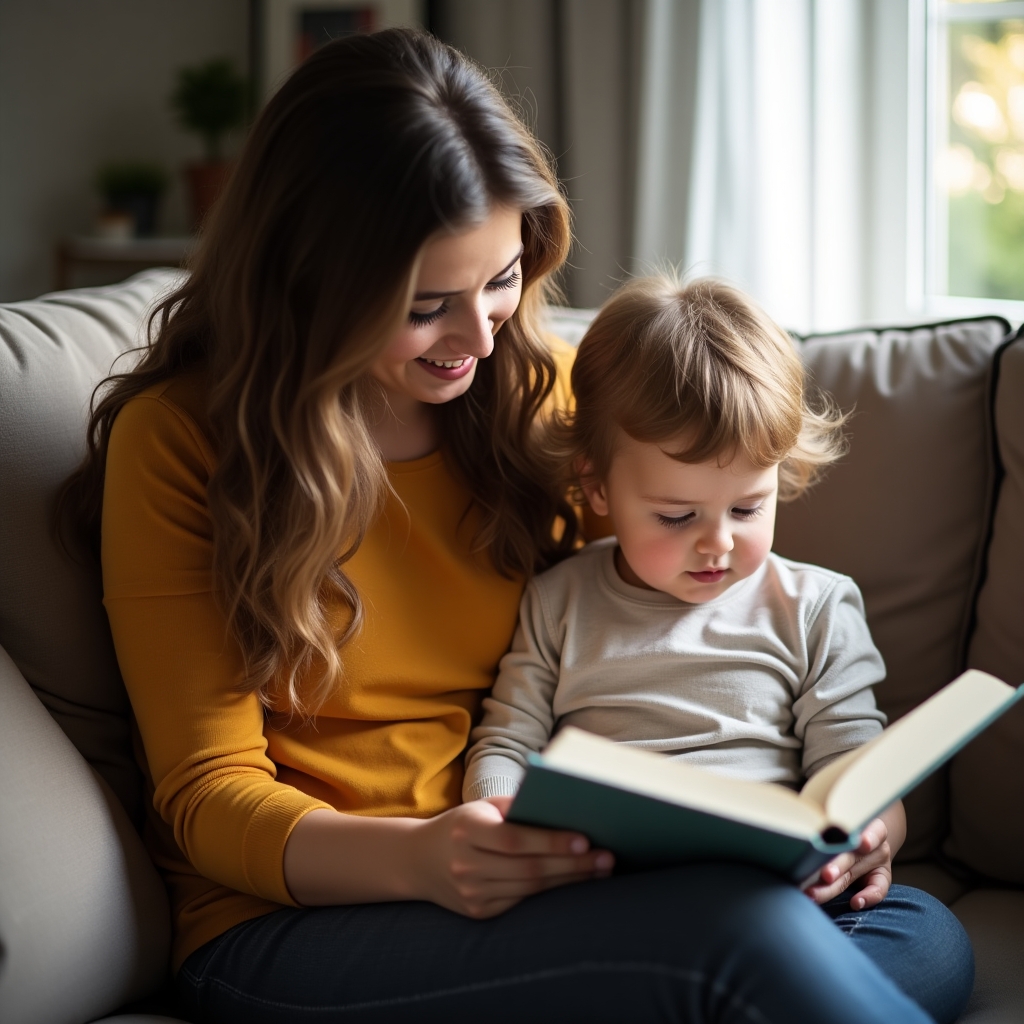
**What works:** - Older child "teaches" younger child (colors, songs, simple games) - Older child reads to younger child - Simple sensory play together (playdough, water table, sandbox) - Dance parties - Older child as "helper" (getting things, demonstrating)
**Tip:** Keep sessions short. The older child will get frustrated with toddler limitations quickly.
Preschoolers Together (Ages 3-5)
The challenge: They want similar things but have limited sharing skills.
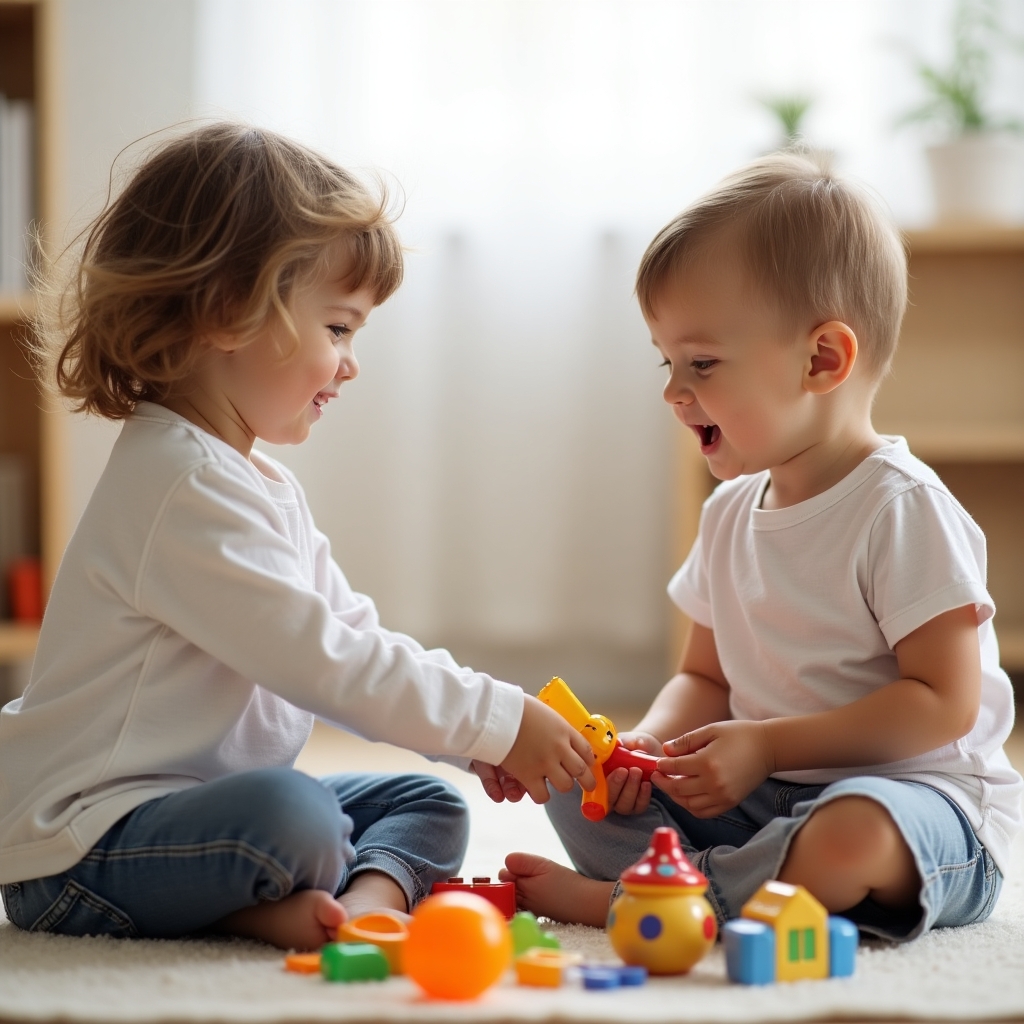
**What works:** - Parallel play with similar materials (both have playdough, both have blocks) - Cooperative building projects - Imaginative play (playing house, pretending) - Simple board games designed for cooperation, not competition - Outdoor play: sandbox, playground, backyard adventures - Arts and crafts with plenty of materials
**Tip:** Stay nearby to coach sharing and conflict resolution.
School-Age Kids (Ages 6-10)
The challenge: Different interests may emerge; social worlds diverge.
**What works:** - Board games and card games the whole family enjoys - Outdoor adventures: hiking, biking, exploring - Building projects: Legos, forts, crafts - Cooking or baking together - Video games that require cooperation - Sports they can play together - Creating something: a play, a movie, a comic, a song
**Tip:** Find the overlap in their interests and lean into it.
Mixed Ages (Wide Gaps)
The challenge: Very different abilities and interests.
**What works:** - Older child mentoring younger in their area of expertise - Shared family activities where everyone participates at their level - Projects where both contributions matter - "Teaching" time where older child gets to be the expert - Documenting family history together (photo albums, interviewing grandparents)
**Tip:** Find ways for the older child to feel important, not just babysitter.
Everyday Opportunities
Meals
Family meals are built-in connection time. Use conversation starters if needed. Make it pleasant, not a battleground.
Car Rides
Captive audience. Play games: 20 questions, I Spy, Would You Rather, license plate games. Listen to audiobooks together.
Bedtime
If they share a room or can visit each other's rooms, brief connection before lights out can be sweet. Reading together, telling stories, sharing best parts of the day.
Chores Together
Pair them for tasks: folding laundry, cleaning a room, yard work. Working side by side builds camaraderie.
Unstructured Time
Don't over-schedule. Boredom often leads to creative sibling play. When there's nothing else to do, they might actually play together.
Creating Connection Rituals
Rituals provide predictable positive experiences:
- Weekly game night - Saturday morning pancakes made together - Summer evening walks - Annual sibling sleepovers - Birthday traditions they do for each other - Special outings: siblings-only ice cream runs
These become memories and anchors of the relationship.
What Parents Can Do
Stay Out (When Possible)
Hovering over sibling play prevents genuine connection. Supervise from a distance when safety isn't a concern.
Avoid Comparisons
Nothing kills sibling friendship like feeling you're in competition for parental approval.
Narrate the Positive
"Look at you two playing so nicely together. You figured that out yourselves!"
Point out their cooperation and connection.
Tell Stories of Them Together
"Remember when you two built that fort and played in it all day?" Shared memories build shared identity.
Don't Force It
If they're not feeling it today, let it go. Forced togetherness breeds resentment.
Manage Your Expectations
Some siblings will be best friends; others will merely coexist peacefully. Both are okay. Your job is to create opportunities, not guarantee outcomes.
When Siblings Don't Click
Some siblings genuinely have incompatible temperaments or interests. If this is your situation:
- Lower expectations for intense friendship - Focus on basic respect and kindness - Find what they do have in common - Accept that their relationship might bloom later - Don't force constant togetherness
Some siblings become closer as adults when they're no longer sharing a home. That's okay too.
The Long View
The sibling relationship you're building now is foundation for something that could last 80 years. Daily fights matter less than the overall foundation of connection and positive experience.
Keep creating opportunities. Some will fail; some will become cherished memories. Over time, it adds up.