ParentHarbor×
TherapistsSign in

Handling mistakes

Failure as learning, self-compassion

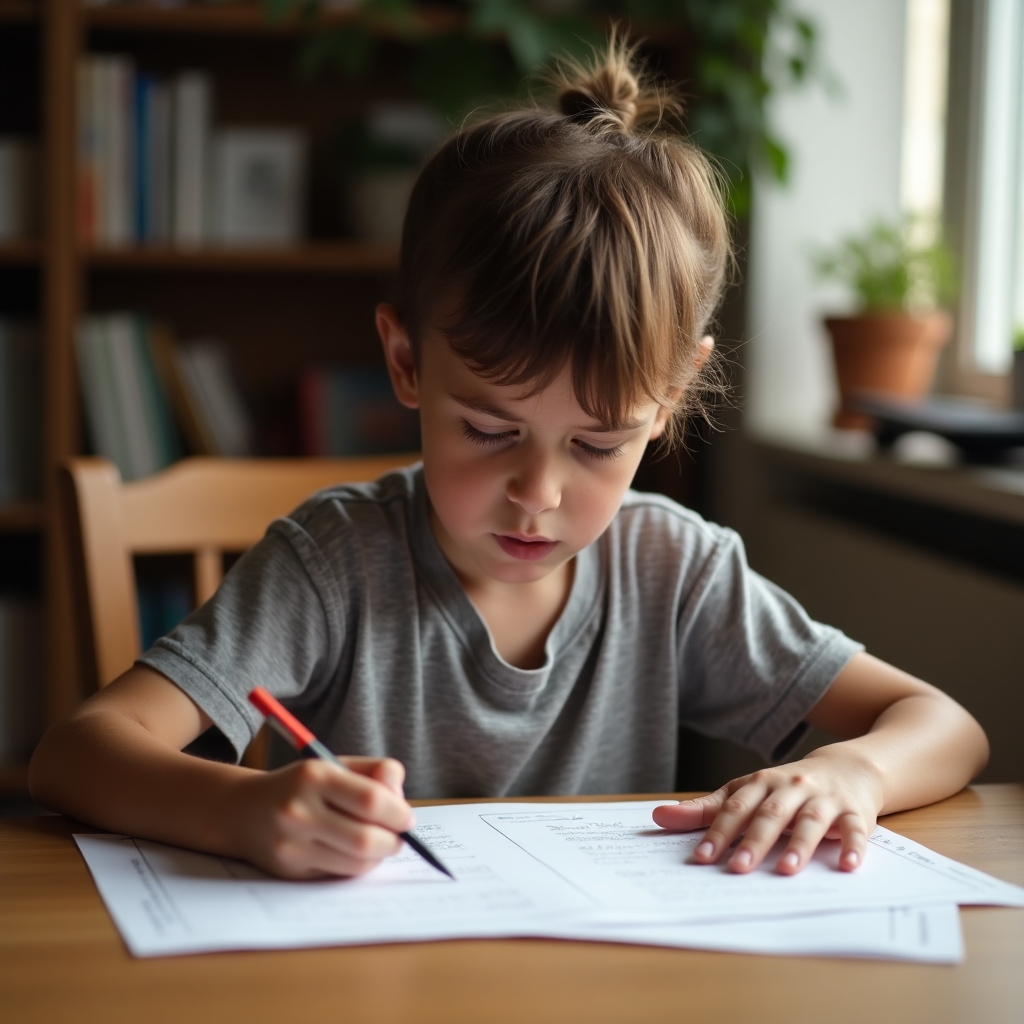
The meltdown over a small error. The paper crumpled in frustration. The complete shutdown when something doesn't go right the first time. How kids handle mistakes now shapes how they'll handle failure later.

What to Know

How kids handle mistakes now shapes how they'll handle failure later. The meltdown over a small error, the paper crumpled in frustration, the complete shutdown when something doesn't go right the first time — these are signs that mistakes feel catastrophic rather than normal.

For some kids, mistakes feel like evidence that they're fundamentally flawed. This is especially true for perfectionists and kids with anxiety. The mistake itself is manageable; it's the meaning they assign to it that creates the crisis. "I got this wrong" becomes "I'm stupid" or "I can't do anything right."

Kids learn how to handle mistakes largely by watching adults. How you respond to your own errors — and how you respond to theirs — teaches them whether mistakes are survivable and instructive or shameful and defining.

Signs to Watch

  • Melts down over small mistakes
  • Erases, redoes, or crumples work repeatedly
  • Gives up when things don't go perfectly
  • Avoids activities where mistakes are possible
  • Says things like "I'm so stupid" when they get something wrong
  • Hides mistakes rather than admitting them

Stories
The Someday Box

The Someday Box

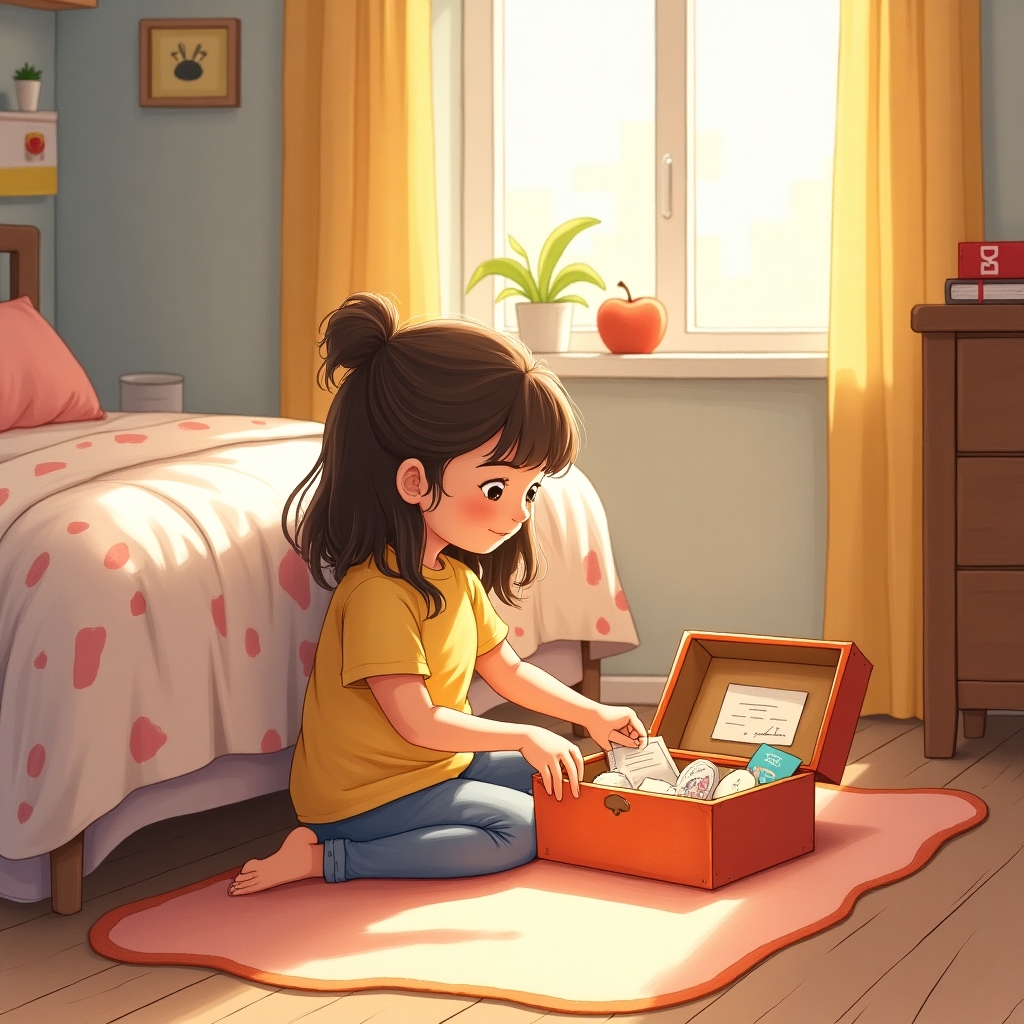
Ruby keeps a box under her bed for things she's not ready for yet. The letter. The photo. The almost-certificate. Someday, she'll open them. But not today.

The Little Voice Inside

The Little Voice Inside

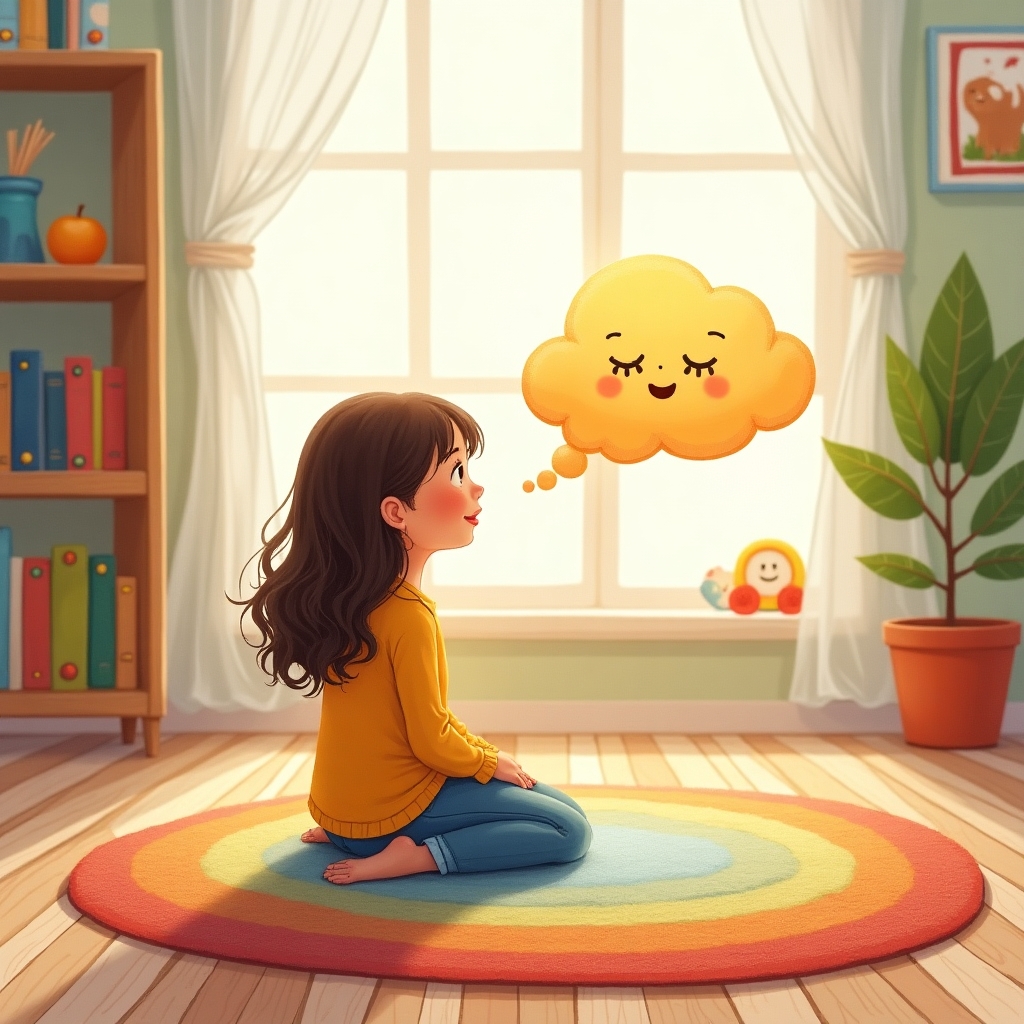
Mia has a voice in her head. Sometimes it's kind. Sometimes it's mean. She learns she doesn't have to believe everything it says—she can talk back.

Oh Well, That Happened

Oh Well, That Happened

Spilled milk. Missed bus. Forgot homework. Some days, everything goes wrong. But Zara learned three magic words: 'Oh well, next.' Keep going. The day isn't over yet.

I Can't Draw

I Can't Draw

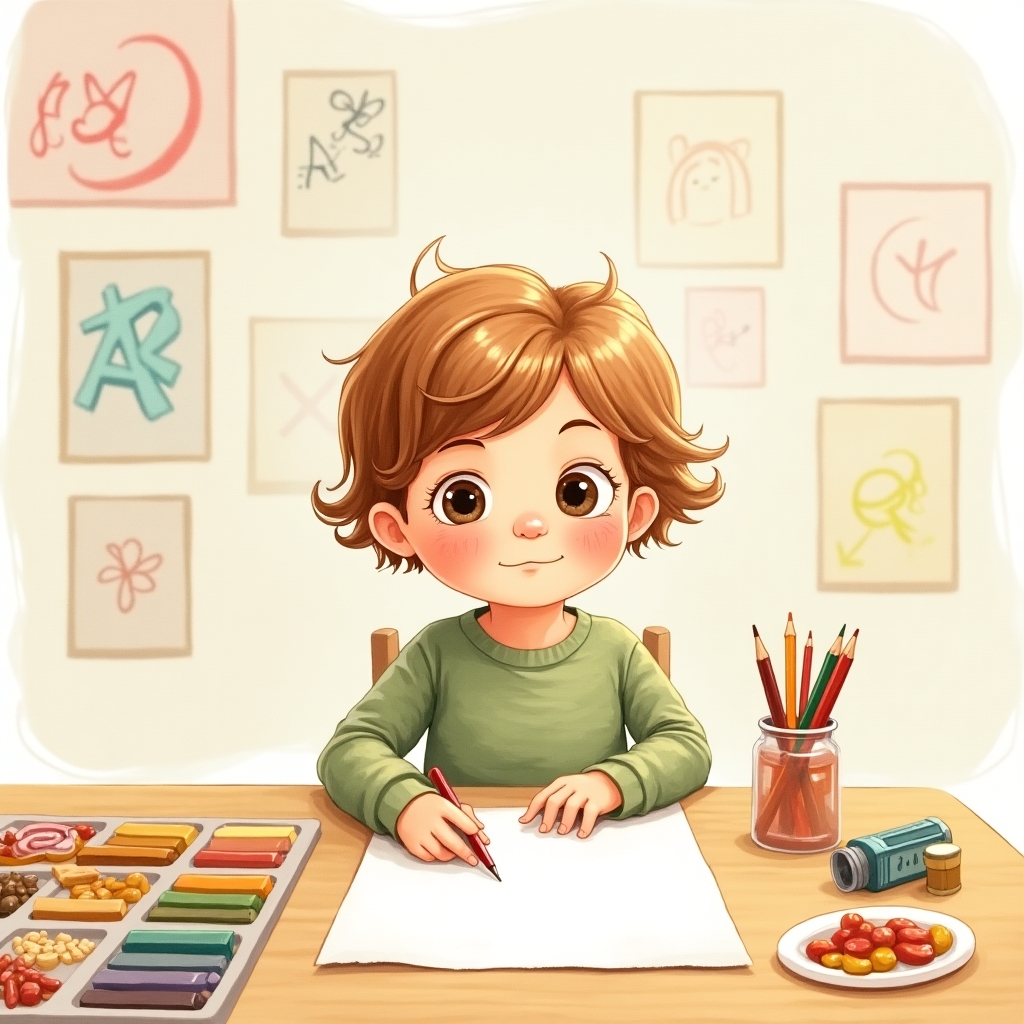
'I can't draw,' said Eli, staring at the blank page. His teacher said, 'Make a mark and see where it takes you.' One line led to another. It wasn't perfect—but it was his.

Almost, Almost, Almost!

Almost, Almost, Almost!

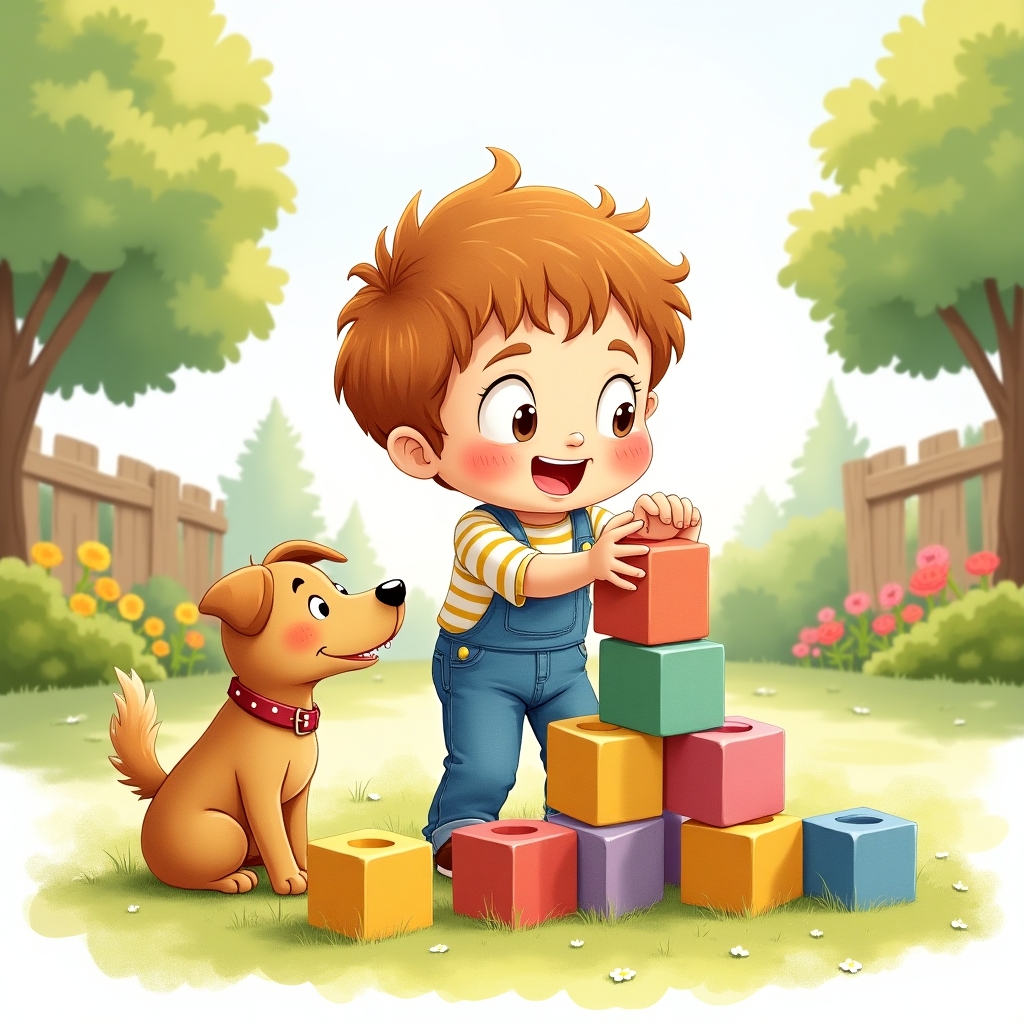
Eli is building something special, but it keeps falling apart. 'ALMOST!' he yells, ready to quit. His dog nudges him outside. After a walk, he sees it differently—and tries one more time.

I'm Not Scared of Anything (Until I Was)

I'm Not Scared of Anything (Until I Was)

Jordan bragged about being brave. Nothing scared him—until he took the wrong path and suddenly everything did. His little sister found him. 'Even brave people get lost sometimes,' she said.

Everyone Makes Mistakes (Even Grown-Ups)

Everyone Makes Mistakes (Even Grown-Ups)

Mom burned dinner. Dad got lost. Teacher spelled a word wrong. Mistakes aren't proof that you're bad—they're proof that you're human.

The Ears That Didn't Hear

The Ears That Didn't Hear

Jada's ears worked fine—she just didn't use them. Until she missed the field trip permission slip, the birthday party invite, and the 'I love you' from Dad.

It Wasn't My Fault (Except It Was)

It Wasn't My Fault (Except It Was)

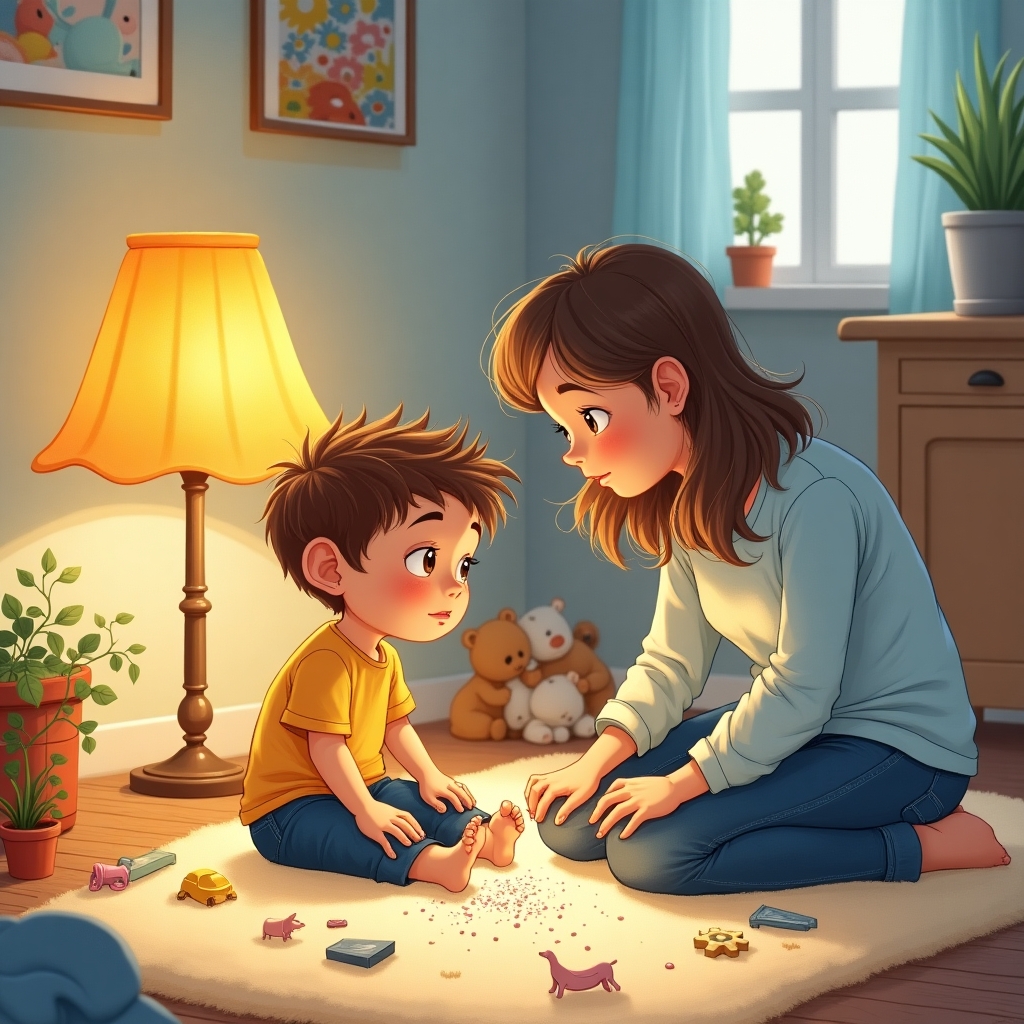
When the lamp broke, Jake had excuses. The dog bumped him. The ball slipped. But deep down, Jake knew: he'd been throwing inside. Telling the truth felt scary—and then better.

I Didn't Mean to Forget

I Didn't Mean to Forget

Omar forgot his homework. Again. He didn't mean to—his brain just let it slip. Mom helps him make a 'remember spot' by the door. Forgetting isn't bad; it just needs a system.

What I Wish for You

What I Wish for You

I wish you more hugs than hurts. More try-agains than give-ups. More 'I can' than 'I can't.' These are the things I wish for you—every single day.

The Worry That Followed Me Home

The Worry That Followed Me Home

A small worry follows Ben home from school. The more he ignores it, the bigger it grows. When he finally tells Dad about it, the worry shrinks—small enough to carry.

Articles

When Your Child Says "I'm Stupid" or "I'm Ugly": Responding to Negative Self-Talk

When Your Child Says "I'm Stupid" or "I'm Ugly": Responding to Negative Self-Talk

How to respond when your child puts themselves down.

Raising Kids Who Can Accept Compliments and Criticism

Raising Kids Who Can Accept Compliments and Criticism

Teaching children to receive feedback gracefully.

Growth Mindset for Kids: Teaching Children That Abilities Can Develop

Growth Mindset for Kids: Teaching Children That Abilities Can Develop

How to help your child see challenges as opportunities rather than threats.

7 Things to Say to Build Your Child's Confidence

7 Things to Say to Build Your Child's Confidence

Phrases that nurture genuine self-esteem—not empty praise.

The Problem with Perfectionism: Helping Kids Who Can't Handle Mistakes

The Problem with Perfectionism: Helping Kids Who Can't Handle Mistakes

When the drive to be perfect backfires—and how to help.

Helping Your Child Handle Failure and Disappointment

Helping Your Child Handle Failure and Disappointment

Building resilience when things don't go as planned.

Building Resilience: Raising Kids Who Can Bounce Back

Building Resilience: Raising Kids Who Can Bounce Back

What resilience really is and how to nurture it.

Natural Consequences: Letting Life Teach the Lessons

Natural Consequences: Letting Life Teach the Lessons

How to step back and let natural consequences do the parenting.

Activities & Worksheets

Activities coming soon

Downloadable activities and worksheets for this topic.

Related Topics

Trying new thingsPersistenceSelf-worthComparison

How can we help?