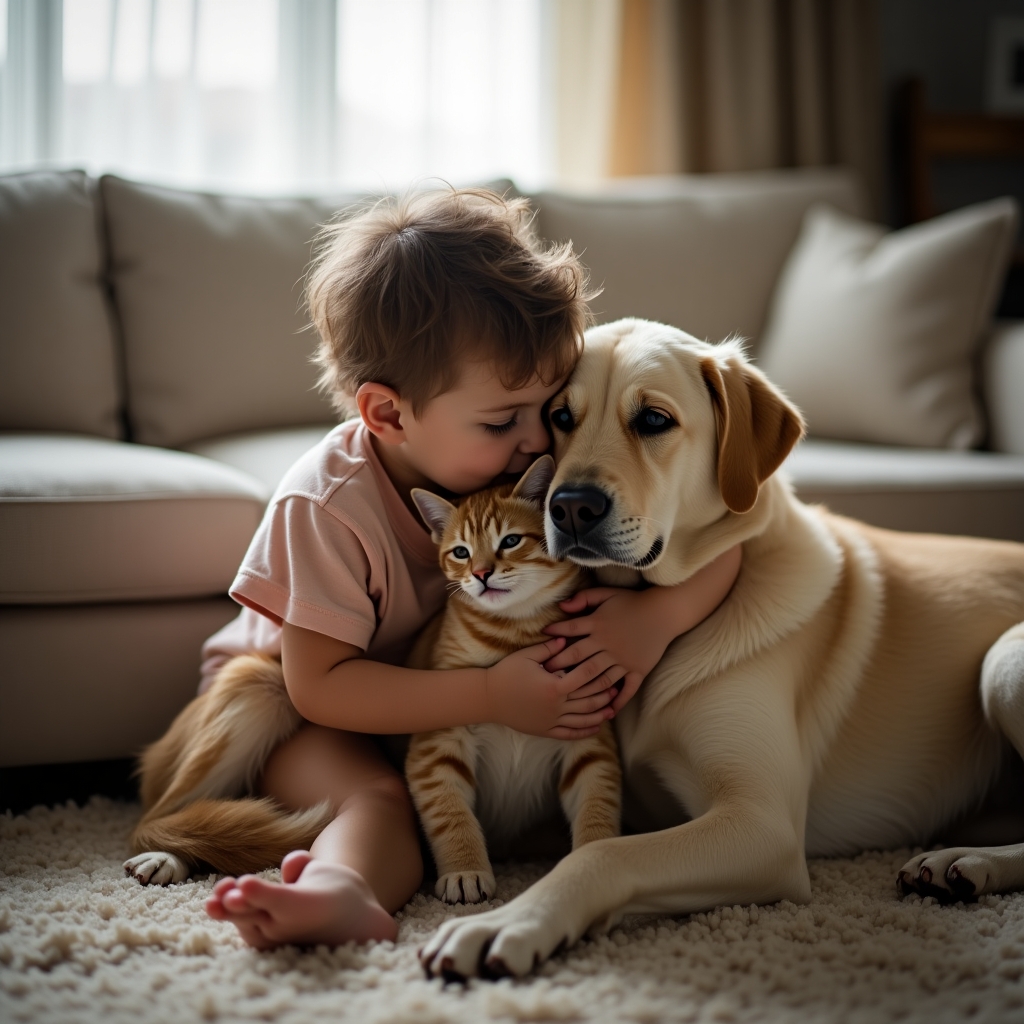
When a Pet Dies: Helping Children Through Their First Major Loss
Supporting your child through the death of a beloved pet.
For many children, a pet's death is their first encounter with mortality. How you handle this loss sets the foundation for how they'll understand and cope with death throughout their lives.
Why Pet Loss Matters
It might be tempting to minimize pet loss: "It's just a dog." But for children:
- Pets are genuine family members and friends - The bond may be among their closest relationships - This may be their first experience with death - Their grief is real and valid
Taking pet loss seriously respects your child's experience and teaches them healthy grief.
Before the Death (When Possible)
If your pet is aging or ill, you may have time to prepare.
Be Honest
Don't hide the pet's illness. Age-appropriate honesty helps children understand what's coming.
"Max is very sick. The vet is trying to help him, but he might not get better."
Let Them Say Goodbye
Time to say goodbye is precious. Let your child: - Spend time with the pet - Write a letter or draw a picture - Take photos - Say what they want to say
Discuss Euthanasia If Relevant
If euthanasia is planned, explain it simply:
"Max is suffering and won't get better. The vet can give him medicine that will let him fall asleep forever without any pain. It's the kindest thing we can do for him."
Consider Their Presence
Whether children should be present for euthanasia is a personal choice. Some find it helpful for closure; others find it traumatic. Consider your child's age, temperament, and wishes.
Telling Them
Be Direct
"I have sad news. Whiskers died this morning."
Avoid: "We lost him," "He went to sleep," "He went away." These phrases confuse children.
Explain What Happened
"His body was very old and stopped working." "She was too sick, and her body couldn't fight anymore."
Simple and honest.
Allow Their Reaction
They may cry, rage, withdraw, or seem unaffected initially. All responses are normal.
Supporting Their Grief
Validate Their Feelings
"You're really sad. You loved Buddy so much. It's okay to cry."
Don't minimize: "Don't be sad—he was just a fish."
Let Them Grieve in Their Own Way
Some children want to talk constantly; others withdraw. Some grieve quickly; others take a long time. There's no right way.
Expect It to Come in Waves
They may seem fine, then suddenly cry days later. Grief isn't linear.
Watch for Physical Expression
Stomachaches, sleep problems, appetite changes—grief shows up in the body.
Talk About the Pet
Share memories. Look at pictures. Tell funny stories. Keeping the pet's memory alive is healthy.
Create Rituals
- A burial or memorial service - Planting a tree or flower - Creating a photo album or memory box - Writing a goodbye letter - Making a paw print or other keepsake
Rituals provide closure and honor the relationship.
Questions Children Ask
"Where is [Pet] now?"
Share your family's beliefs honestly. "Some people believe in pet heaven. Some people believe they become part of nature. What do you think?"
"Will I die? Will you die?"
This is a natural worry after encountering death. Reassure honestly: "All living things die eventually, but most people and pets live a long time. I'm healthy and plan to be here with you for a very long time."
"Was it my fault?"
Children often assume blame. Reassure clearly: "No, this was not your fault at all. You loved Mittens and took good care of her."
"Can we get a new pet?"
This might come immediately or not for a long time. There's no rush. When the family is ready, a new pet doesn't replace the old one—it's a new relationship.
What Not to Do
Don't Hide the Death
"Fluffy went to live on a farm" might seem kinder, but it confuses children about death and breaks their trust when they learn the truth.
Don't Immediately Replace the Pet
"We'll get a new hamster this weekend!" dismisses their grief. Let them mourn before discussing a new pet.
Don't Dismiss Their Grief
"It's just a guinea pig" invalidates their real feelings and teaches them that their emotions don't matter.
Don't Hide Your Own Grief
Showing your own sadness models that grief is normal and acceptable.
When Grief Is Complicated
Most children move through pet loss with time and support. Seek additional help if:
- Grief is intense and prolonged (months without improvement) - They express wanting to die to be with the pet - Significant behavior changes or withdrawal - Inability to function normally
The Gift in the Loss
As painful as pet loss is, it offers children important lessons:
- Death is a part of life - Grief is survivable - Love doesn't end with death - Rituals and remembrance help - Feelings are meant to be felt, not avoided
These lessons prepare them for the inevitable losses ahead, with you as their guide.