The Power of Giving Choices: How to Get Cooperation Without Power Struggles
Why choices work, and how to offer them effectively.
Power struggles are exhausting. You say one thing; your child says the opposite. You push; they push back harder. There's a better way: strategic choices.
Why Choices Work
Children need autonomy. They want some control over their lives. When they feel controlled, they resist—not because they're bad, but because autonomy is a fundamental human need.
Offering choices satisfies that need within boundaries you set. Your child feels powerful; you maintain the limits. Everyone wins.
How to Offer Effective Choices
Both Options Must Be Acceptable to You
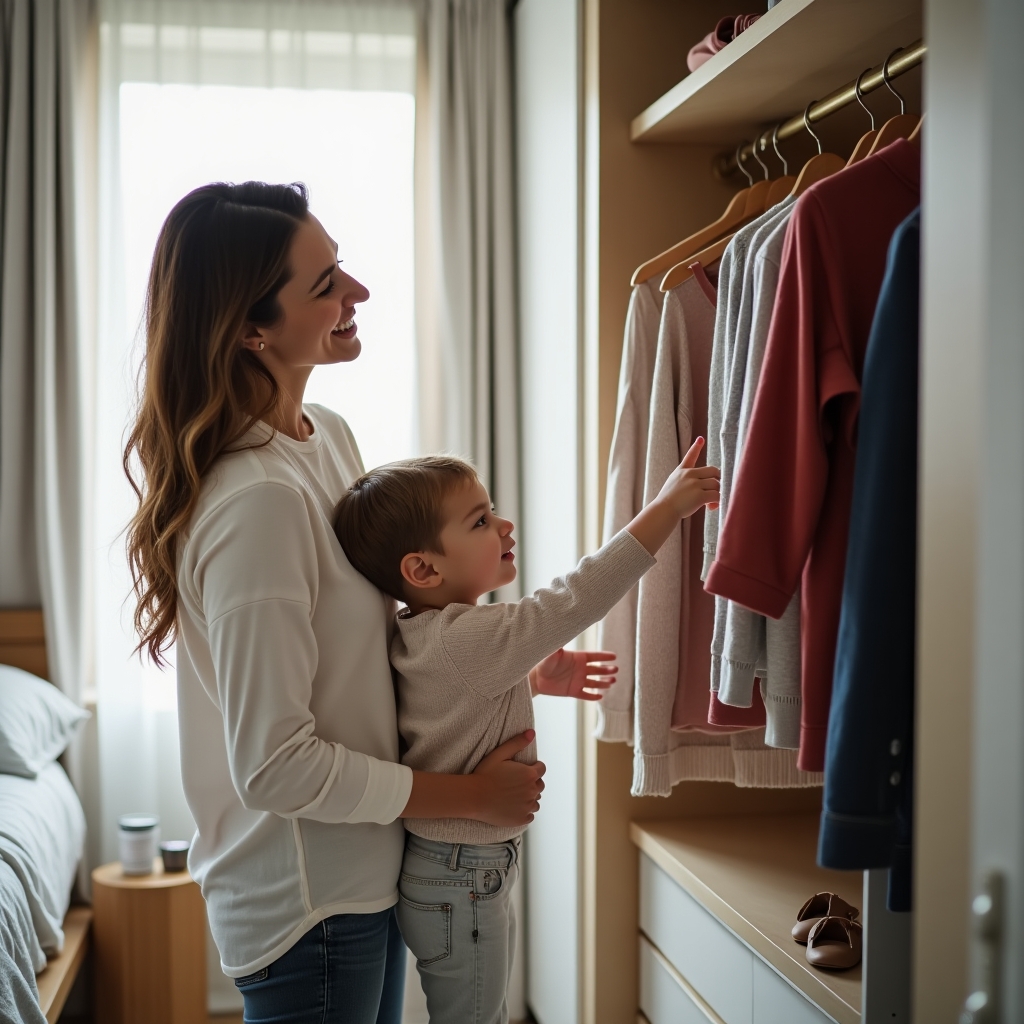
"Do you want to wear the red shirt or the blue shirt?" works because you're fine with either.
"Do you want to clean your room or play video games?" doesn't work—one option isn't actually acceptable.
Keep It to Two Options
Too many choices overwhelm young children. Two is plenty.
"Do you want to brush teeth first or put on pajamas first?"
Make Both Options Active
"Do you want to put your shoes on, or do you want me to help you put them on?" Both options result in shoes on.
Avoid: "Do you want to put your shoes on or not?" That invites "not."
Use Choices for Transitions
Transitions are hard. Choices ease them.
"We're leaving the park. Do you want to walk to the car or skip to the car?"
The leaving isn't negotiable. The method is.
Don't Offer Fake Choices
If something must happen, don't frame it as a choice. "Do you want to get in your car seat?" sounds like a choice, but it isn't—they have to get in.
Better: "Time to get in your car seat. Do you want to climb in yourself or do you need help?"
Choices by Age
Toddlers (2-3)
Keep choices very simple and immediate. - "Apple or banana?" - "Walk or hop?" - "This book or that book?"
Preschoolers (3-5)
Slightly more complex choices work now. - "Do you want to clean up before snack or after snack?" - "Red cup or blue cup?" - "Playground or backyard?"
School Age (6-10)
Choices can involve more planning. - "Homework before dinner or after dinner?" - "Do you want to invite one friend or two to your party?" - "What order do you want to do your chores in?"
Tweens (10-12)
Choices help them feel respected. - "We need family time this weekend. What would you like to do together?" - "Your room needs to be cleaned by Sunday. When do you want to tackle it?"
When Choices Don't Work
Choices work best for preference-based decisions. They don't work when:
It's a Safety Issue
"Do you want to hold my hand in the parking lot or not?" No. Hand-holding is required. Don't offer choices around safety.
They're Too Dysregulated
A child mid-meltdown can't process choices. Regulate first, then offer choices.
They Refuse Both Options
If they say "neither," stay calm: "Those are the choices right now. Which one works for you?" If they still refuse, you may need to decide for them: "I'll choose for you this time. Next time, you can pick."
They Try to Invent Option C
"I want chicken nuggets" when the choices were apple or banana. You can flex if you want to, or hold the boundary: "That's not one of the choices right now."
Choices Build Life Skills
Beyond getting immediate cooperation, choices teach: - Decision-making - Consequential thinking - Self-awareness (what do I actually want?) - Autonomy and responsibility
You're not just avoiding power struggles—you're building a capable human.
The Tone Matters
Offer choices calmly and genuinely—not sarcastically or as a threat.
Not: "Do you want to get in the car, or do you want to lose your tablet?" Yes: "It's time to get in the car. Do you want to bring a book or a toy for the ride?"
The goal is collaboration, not coercion dressed as choice.