Helping Your Only Child When a Sibling Isn't Coming
Supporting children who wish for siblings, especially after loss or infertility.
When your child wishes for a sibling but one isn't coming—due to parental choice, infertility, loss, or other reasons—the longing can be painful. Here's how to help.
Why Children Want Siblings
- They see friends with siblings - They're lonely or bored - They imagine constant playmates - Cultural and media messaging that siblings are the norm - A desire for family to feel "complete"
These desires are valid, even if they can't be fulfilled.
When to Have the Conversation
Your child might ask directly: "Can I have a brother or sister?" Or express the wish through comments: "I wish I had someone to play with."
Don't ignore these expressions. Engage honestly.
How to Talk About It
Acknowledge the Wish
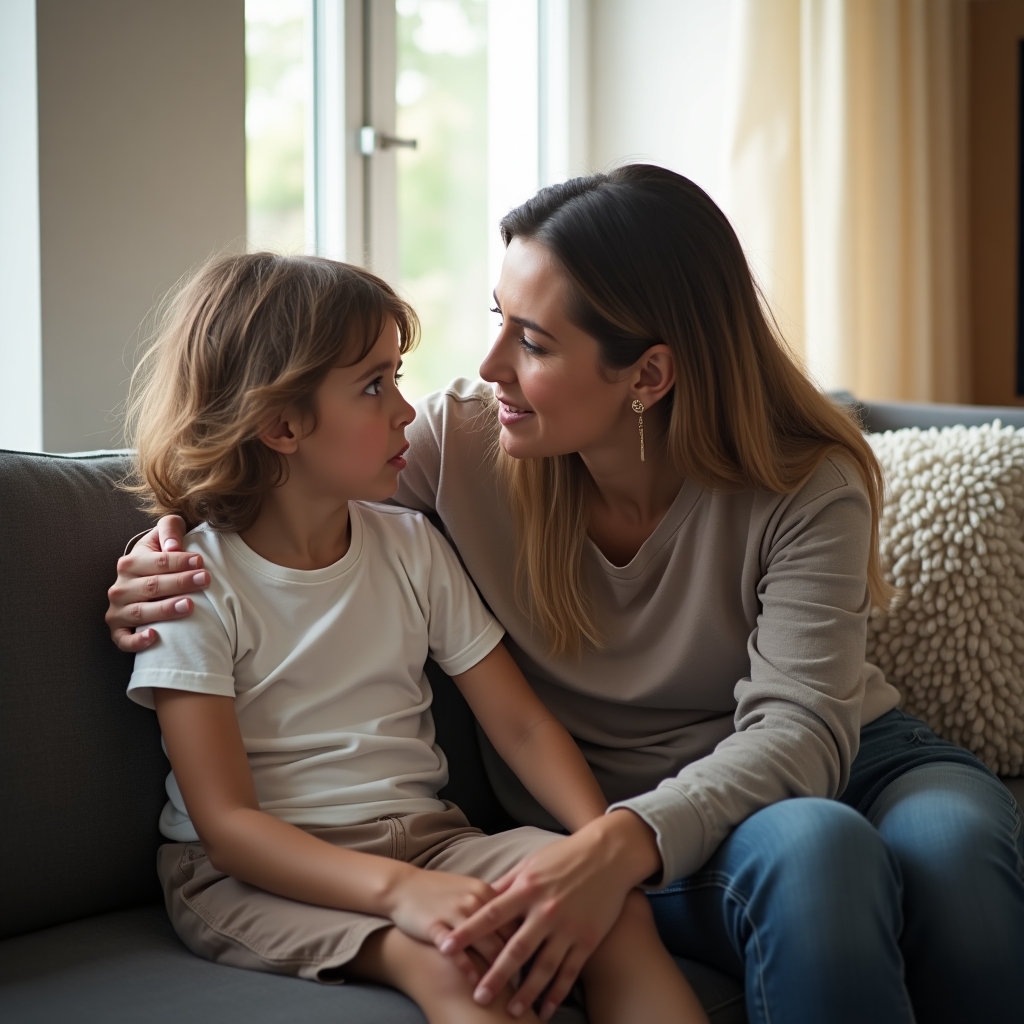
"I hear that you really want a sibling. It makes sense that you'd want a brother or sister to play with."
Validating the wish doesn't mean you have to fulfill it.
Be Honest (Age-Appropriately)
The explanation depends on the reason:
**Parent choice:** "Our family is complete with just you. Dad and I decided we wanted one child, and we're so happy that child is you."
**Age or health:** "Mom and Dad are older now, and our bodies aren't able to make another baby."
**Infertility (if comfortable sharing):** "We tried to have another baby, but it didn't work. Sometimes bodies don't cooperate with what we want."
**Loss:** "We were going to have a baby, but the baby died before being born. That's called a miscarriage. We're very sad about it."
Keep explanations simple and honest without burdening them with adult grief.
Don't Over-Explain or Apologize
You don't need to justify your family size. A simple, honest explanation is enough.
Avoid excessive guilt: "I'm so sorry you don't have a sibling." This can make them feel like something is wrong with your family.
Validate the Feelings
"It's okay to feel sad about this. You're allowed to wish things were different."
Some children grieve the sibling they won't have. That grief is real.
Addressing the Underlying Needs
What are they really seeking?
Playmates
Help them build strong friendships. Arrange regular playdates. Consider a pet. Cousins, if nearby, can be sibling-like.
Companionship
Quality time with parents, extended family, and friends addresses loneliness.
Normalcy
If they feel different for being an only child, help them see the many families with one child. Read books about only children.
Identity
Being an only child is part of their identity, not a deficit. Help them see the positives without dismissing their wishes.
The Benefits of Being an Only Child
Without diminishing their feelings, you can help them see advantages: - Undivided parental attention - Unique relationship with parents - Often more resources (financial, time) - Development of independence and imagination - Strong friendships that become like siblings
This isn't about convincing them they shouldn't want a sibling—it's about helping them appreciate what they have.
When There's a Loss
If your child knows about a pregnancy loss or baby who died, they may be grieving too. This is complicated because they're grieving someone they never knew.
- Acknowledge their grief - Let them ask questions - Include them in remembrance rituals if appropriate - Don't expect them to "get over it" quickly
Professional support may help children processing pregnancy or infant loss in the family.
When Questions Continue
Some children ask repeatedly. Each time: - Respond patiently - Acknowledge the wish - Give the honest answer - Help them cope with the reality
Over time, most children accept their family structure, though they may still occasionally express the wish.
When It's More Than Normal Wishing
Persistent sadness, preoccupation with siblings, or significant behavioral changes might indicate: - Underlying loneliness that needs addressing - Depression or anxiety - Difficulty coping with loss (if relevant)
These may benefit from professional support.
The Gift of Connection
Only children often develop deep connections with parents, extended family, and friends. They learn to be comfortable alone and to form meaningful one-on-one relationships.
Your family is complete as it is. Help your child see the richness in the family they have.