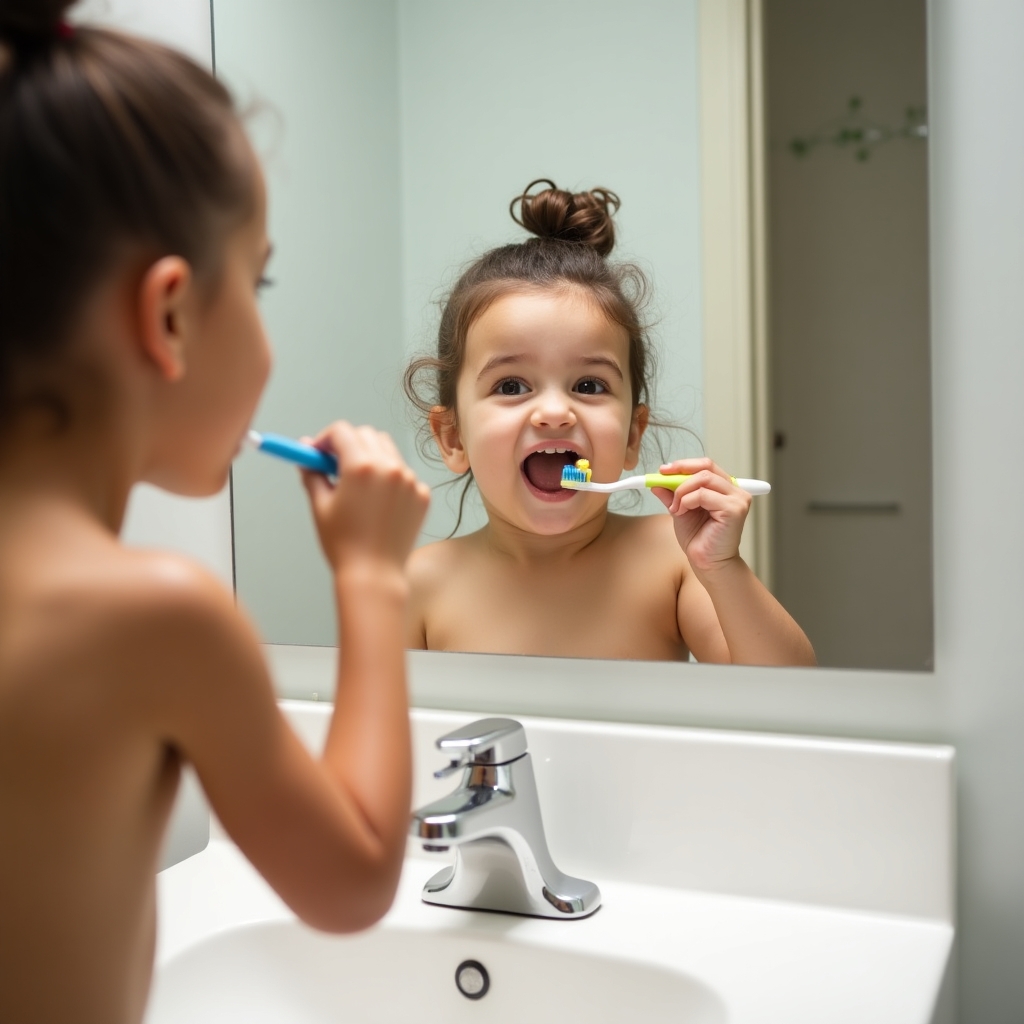
Teeth Brushing Battles: Getting Kids to Care About Hygiene
Making daily hygiene less of a fight.
You'd think something that takes two minutes wouldn't cause so much drama. And yet: teeth brushing battles. Here's how to get them brushing without the nightly struggle.
Why Kids Resist Brushing
It's Boring
Two minutes is an eternity when you're five and there are toys to play with.
Sensory Issues
The toothbrush texture, the toothpaste flavor, the foam, the sensation—any of these can be genuinely unpleasant for sensitive kids.
Loss of Control
Being told what to do, when to do it, and having someone poke around in their mouth—it's a lot of submission for a little body seeking autonomy.
They Don't Understand Why
Cavities are abstract. Dental visits are occasional. The consequences of not brushing aren't immediate or visible.
Transitions
Brushing often comes during transitions: before bed when they want to keep playing, or in the morning when they're rushed. Bad timing increases resistance.
Making Brushing Easier
Give Them Choices
Choice reduces power struggles: - "Do you want the strawberry toothpaste or the mint?" - "Do you want to brush first or do pajamas first?" - "Do you want to do it yourself or have me help?" - "This toothbrush or that one?"
The brushing isn't optional. The choices around it are.
Make It Routine
Teeth brushing should be automatic—same time, same place, every day. When it's "just what we do," there's less to fight about.
Use Timers and Music
Two minutes is easier with a visual timer or a song. Many kids' toothbrushes have built-in timers. There are also teeth-brushing songs and apps.
"Let's brush until the song is over!"
Let Them Have a Turn
Let them brush first (they'll probably do a poor job), then you do "the parent turn" to get the teeth actually clean. This gives them autonomy while ensuring adequate cleaning.
"You do your turn, then I'll do my quick turn."
Find the Right Tools
- Softer brush if firm is uncomfortable - Different toothpaste flavors (or unflavored for sensitive kids) - Electric toothbrushes (often more appealing) - Character toothbrushes - Kid-sized everything
Use Distraction
Let them hold a toy, watch themselves in the mirror, or count tiles on the wall. Anything that occupies their mind while you brush.
Make It a Game
- "Let's find the sugar bugs and chase them away!" - "Can you roar like a lion? I need to brush those lion teeth!" - "I see something green between your teeth—was it broccoli?"
Playfulness transforms the experience.
Brush Together
Brush your teeth at the same time. They see you doing it, they're not alone, and it becomes a shared activity.
Connect It to Consequences (Gently)
"We brush our teeth so they stay strong and healthy and don't get ouchies."
You can show pictures of what happens to unbrushed teeth, but don't terrorize them. Simple cause and effect.
Age-Specific Approaches
Toddlers (1-3)
- You do the brushing - Make it quick and efficient - Use distraction - Try different positions (lap, lying down, standing) - Don't expect cooperation—just get it done gently - Let them "brush" (chew) the toothbrush after you're done
Preschoolers (3-5)
- Let them have a turn, then you finish - Use games and songs - Give choices - Visual timers help - Character toothbrushes can motivate - Start teaching technique
School Age (6-10)
- Transfer more responsibility to them - Spot check occasionally - Use plaque-disclosing tablets to show them what they missed - Electric toothbrushes are often more effective - Connect to long-term health
Tweens (10-12)
- They should be doing it independently - Occasional reminders may still be needed - Appeal to vanity: "clean teeth, fresh breath" - Let natural consequences teach (cavities, bad breath)
When It's a Sensory Issue
Some children have genuine sensory sensitivities that make brushing difficult:
- Try different toothpaste textures and flavors - Experiment with different brush textures - Let them warm up to the sensation gradually - Consider occupational therapy if sensory issues are significant
This isn't defiance—it's genuine discomfort that deserves accommodation.
The Battles You Don't Need to Have
Pick your battles: - Does it matter if they sit or stand? - Does it matter which toothbrush color? - Does it matter if they make silly faces in the mirror?
Focus on: teeth get brushed. Let go of: how exactly it happens.
When Nothing Works
If you've tried everything and it's still a battle: - Is there an underlying sensory issue? - Is there anxiety about something (dental visit, choking)? - Is it a control issue reflecting bigger struggles? - Do you need to just power through this phase?
Sometimes you just have to get teeth brushed even if they're not happy about it. Do it gently, quickly, and without anger. They'll come around eventually.