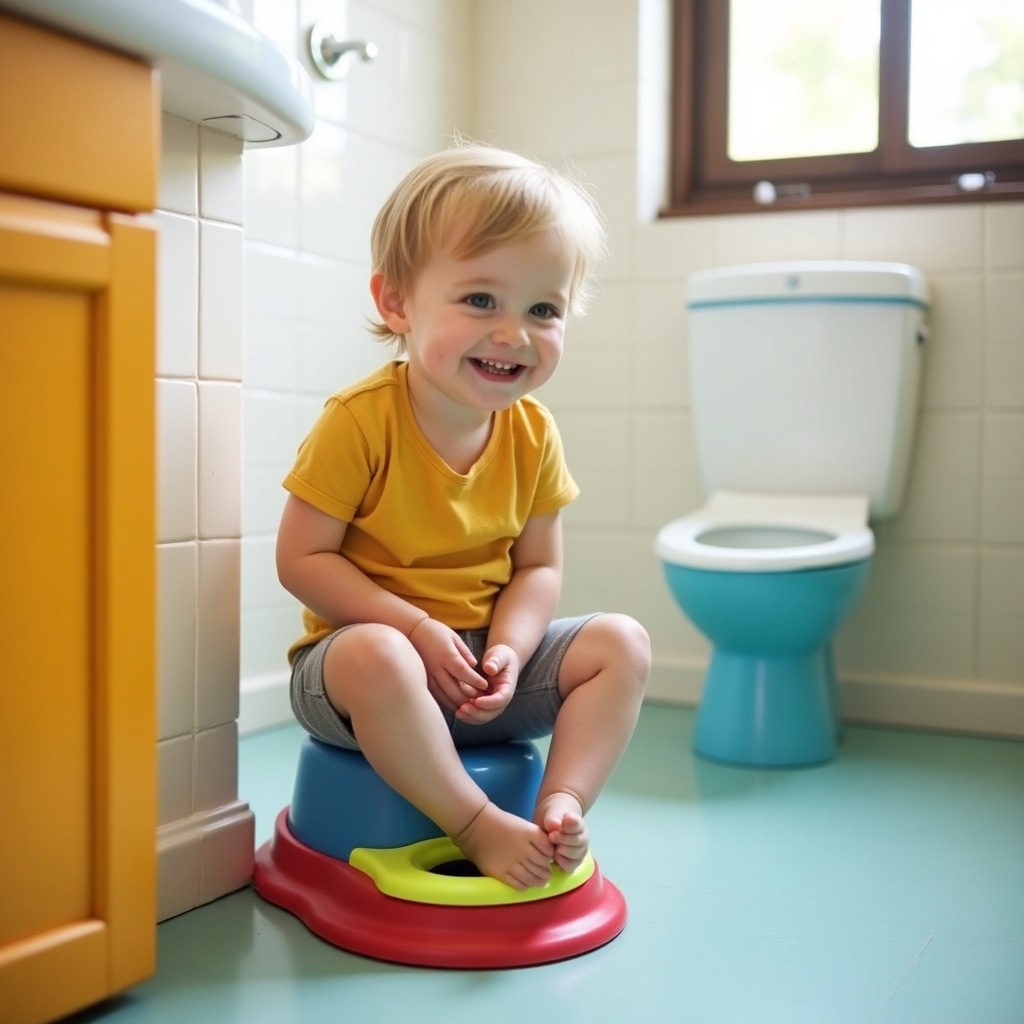
Potty Training at Daycare: Coordinating Between Home and School
How to work with caregivers for consistent potty training.
Potty training is hard enough with one consistent environment. When your child splits time between home and daycare, coordination becomes essential. Here's how to make it work.
Why Coordination Matters
Consistency Helps Kids Learn
If the approach at home is different from daycare, kids get confused. Consistent routines, language, and expectations across environments speed up the process.
Mixed Messages Slow Progress
If home is all about child-led timing but daycare has scheduled potty sits, the child doesn't know what to expect. Neither approach works well because neither is consistent.
Caregivers Are Partners
Daycare teachers have potty trained many children. They have experience and insight. Working together makes everyone's life easier.
Before You Start
Talk to Your Daycare First
Before beginning potty training, have a conversation: - What's their approach to potty training? - What's their timeline/policy? - How do they handle accidents? - What do they need from you? - What signs have they noticed in your child?
Understand Their Constraints
Daycare can't do intensive individual training. With multiple children and other responsibilities, they need manageable approaches. Understand their limitations.
Align on Timing
Ideally, start potty training at a time when both home and daycare can focus on it. Avoid starting right before vacations, holidays, or staff changes at daycare.
Creating Consistency
Use the Same Words
If you say "potty," daycare should say "potty." If you say "pee and poop," they should too. Get aligned on vocabulary.
Use the Same Approach
Discuss and agree: - Scheduled sits vs. child-initiated - Rewards (stickers, etc.) or not - Pull-ups vs. underwear - How to handle accidents
Same Routine
As much as possible, similar patterns: - Sit on potty at similar times (after snack, before nap) - Same prompts - Same celebration style
Same Supplies
Ideally, provide daycare with: - Multiple changes of clothes (lots) - Underwear that's easy to pull up/down - Same type of pull-ups if using them - Wet bags for accidents
Communication
Daily Updates
Ask for daily feedback: - How many successes? - How many accidents? - Any patterns they noticed? - How is your child responding?
Many daycares have apps or daily sheets for this.
Share What's Working at Home
"We noticed he goes right after breakfast." "She responds well to the timer." Share insights so they can use them.
Ask What They're Seeing
Caregivers see your child in a different context. They may notice readiness signs or challenges you don't see at home.
Collaborate on Problem-Solving
If there are issues—resistance, regression, accidents—problem-solve together rather than going it alone.
Common Challenges
Different Approaches
If daycare uses a method you don't love, consider whether it's harmful or just different. Some flexibility is reasonable.
If it's truly problematic (shaming, punishment for accidents), address it directly.
Timeline Pressure
Some daycares require potty training for certain classrooms (moving to preschool room, for example). This can feel like pressure.
Talk to them. Many will work with you on a reasonable timeline. Some flexibility usually exists.
More Accidents at One Place
Kids often do better in one environment than the other. Common reasons: - Different routine/structure - Comfort level (may be more relaxed at home) - Different potty setup - Different adult attention level
Don't interpret this as failure. Problem-solve the specific context.
Regression at Daycare
If they're trained at home but having accidents at daycare, consider: - Are they asking for help? - Can they access the potty easily? - Are they comfortable there? - Is there something stressful at daycare?
Resistance to Daycare's Approach
If your child is resistant at daycare but fine at home, the approaches may need alignment, or the daycare environment may need adjustment.
What to Send to Daycare
- Many changes of clothes (5+ outfits) - Many underwear - Easy-on-easy-off pants (elastic waist, no buttons) - Pull-ups if using - Wet bags for soiled clothes - Any special supplies (small potty seat, specific toilet paper)
When Approaches Differ
If you and daycare have different philosophies, find middle ground: - Focus on what you agree on - Adapt where you can - Accept some differences (kids learn that different places have different rules) - Speak up if something genuinely bothers you
The Daycare Advantage
Daycare can actually help potty training: - Peer modeling (seeing other kids use the potty) - Consistent routine - Experienced teachers - Less emotional intensity than parent-child dynamic
Many kids train faster or more easily at daycare because of these factors.
Bottom Line
You and daycare are a team. Communicate openly, coordinate your approaches, and be flexible. Potty training across environments is manageable—it just takes partnership.