Bath Time Battles: When Kids Won't (Or Won't Stop) Bathing
Handling resistance to getting in—or getting out of—the bath.
Bath time should be simple. Get in, get clean, get out. And yet... some kids fight getting in. Others fight getting out. Many fight both. Here's how to make bath time more bearable.
The "Won't Get In" Problem
Why They Resist
- **Transition:** They were doing something else they enjoyed - **Sensory issues:** Water temperature, soap, textures may bother them - **Loss of control:** Being told to stop and bathe feels imposed - **Fatigue:** Bath time is often when they're already tired - **Past negative experiences:** Water in eyes, slipping, fear
Getting Them In
**Give warnings:** "Bath in ten minutes." "Bath in five minutes." "Time for bath."
**Offer choices:** "Bubbles or no bubbles?" "Bath toys or no bath toys?" "Do you want to bring your mermaid in?"
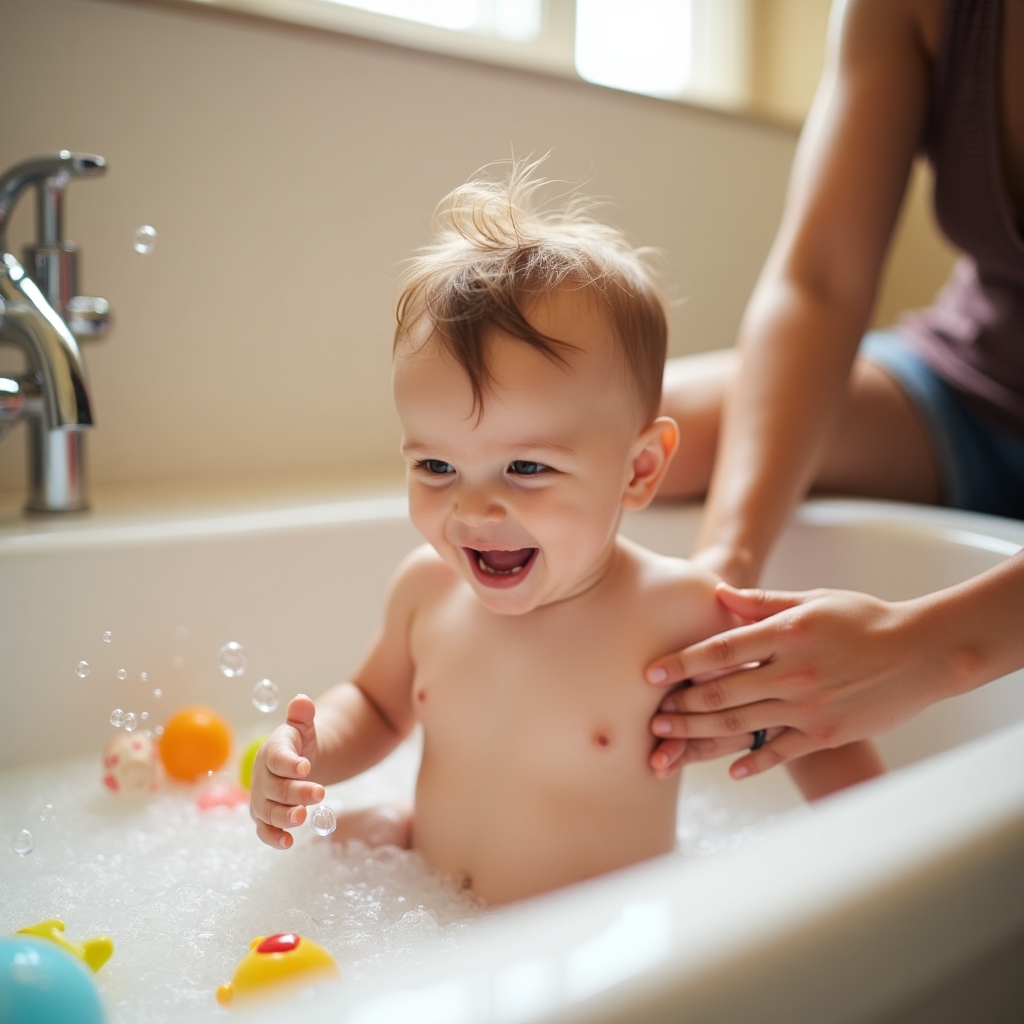
**Make it appealing:** Bath toys, colored tablets, bubble bath, fun cups for pouring. Turn it into play.
**Change the timing:** Maybe morning baths work better than evening. Maybe not every day is necessary.
**Validate and move forward:** "I know you don't want to stop playing. It's bath time. You can play more after."
**Get in with them:** For very resistant toddlers, taking a bath together can help.
The "Won't Get Out" Problem
Why They Won't Leave
- **They're having fun:** Water play is enjoyable - **Transition:** They don't want bath to end - **Routine avoidance:** What comes after bath (bed) may be unwanted
Getting Them Out
**Warnings:** "Two more minutes." "One more minute." "Time to get out."
**Timers:** The timer is the authority, not you. "When the timer beeps, it's time."
**Drain the water:** Hard to play in an empty tub. "The water is going down. Time to get out before it's gone."
**Make what comes next appealing:** "After bath, we're reading your favorite book."
**Cool the water:** Gradually. Less appealing when it's not warm.
**One more activity:** "You can pour water for 10 more seconds, then we're getting out."
Sensory Sensitivities
For kids with sensory issues, bath time can be genuinely difficult:
Water Temperature
They may be very particular. Let them test the water. Adjust to their preference.
Water on Face
Many kids hate water on their faces. Use: - Visor to keep water out of eyes - Washcloth they hold over their eyes - Tilting head back when rinsing - "Look at the ceiling" technique - Dry washcloth to wipe face immediately after
Texture Issues
- Different soap textures (foam, gel, bar) - Softer washcloths or sponges - Let them control what touches their body
Hair Washing
Often the biggest battle: - Wash hair less frequently if possible - Use tear-free shampoo - Let them help or do it themselves - Distraction during rinsing - Give them control over the process
Making Bath Time Fun
- **Bath toys:** Cups, boats, squirters, letters/numbers that stick to walls - **Bubbles:** Bubble bath, bubble wands - **Bath crayons:** Draw on tub walls - **Color tablets:** Turn water colors - **Glow sticks:** Bath in the dark with glow sticks - **Pretend play:** Restaurant in the tub, fishing, cooking - **Music:** Sing songs, play music
When bath is fun, resistance decreases.
Hygiene Across Ages
Babies (0-12 months)
- Don't need daily baths - Sponge bath or shallow tub - Quick and gentle - Never leave unattended
Toddlers (1-3)
- 2-3 baths per week usually sufficient - Supervise constantly - Keep it short if they resist - Make it playful
Preschoolers (3-5)
- Starting to participate in washing - Still need supervision - Can start to wash some body parts themselves - 2-3 times per week unless dirty
School Age (6-10)
- Can bathe mostly independently - May need reminders - Check that they actually washed - Frequency depends on activity level
Tweens (10-12)
- Should bathe independently - May need reminders about hygiene - Puberty = more frequent bathing needed - Let them have privacy
Showers vs. Baths
Around age 5-7, many kids can transition to showers. Some prefer them earlier. Showers are: - Faster - More grown-up feeling - Easier for hair washing (for some) - Less water play
Let them choose when they're ready.
When to Let It Go
Not every bath will be perfect. Good enough is fine: - They don't need to be scrubbed perfectly every time - A splash is better than a battle - Some days, skip it entirely
Hygiene matters. Nightly drama doesn't.